
Salads
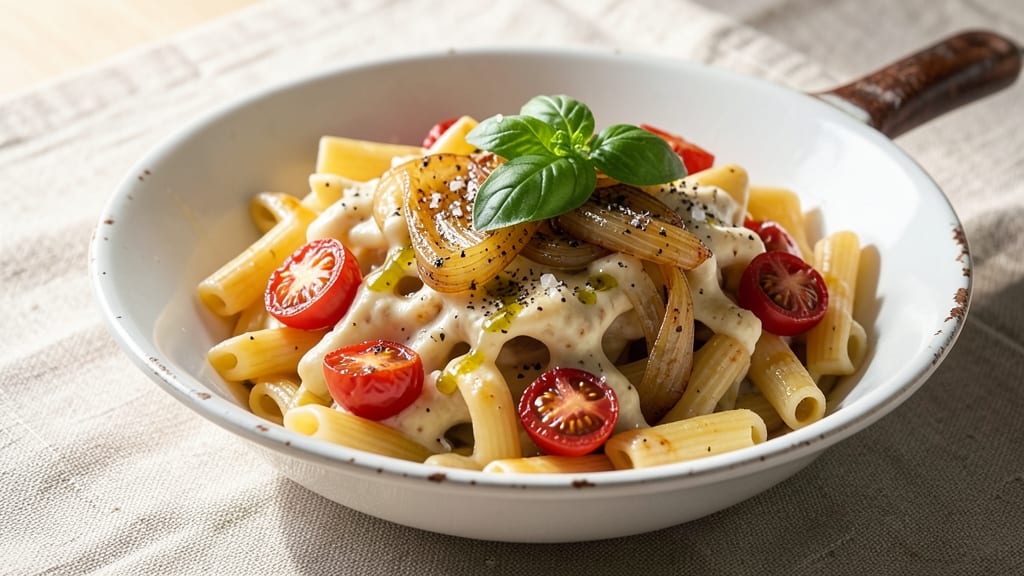
This authentic Italian macaroni and cheese recipe brings the bold flavors of Rome to your kitchen table, where rich Pecorino Romano and sun-ripened tomatoes transform simple pasta into a dish fit for a Roman trattoria.
The key lies in the technique: slow-cooked tomatoes caramelize into a velvety sauce, while al dente rigatoni soaks up every bit of that savory, cheesy goodness.
I developed this after years of studying Italian home cooking, and it’s the recipe I return to whenever I crave that unmistakable taste of la dolce vita.
What sets this dish apart is its balance of textures and flavors—creamy yet bright, rich yet not heavy. The secret starts with a soffritto of onions and garlic, slowly cooked until golden, which forms the aromatic base.
Then comes the tomatoes, simmered until they break down into a thick, glossy sauce that clings to the pasta like a second skin. Pecorino Romano, sharp and salty, melts into the sauce, creating a depth of flavor that store-bought versions can’t match.
A touch of butter at the end ties it all together, adding a luxurious finish.
The result is a dish that’s hearty enough for a weeknight dinner but elegant enough for a special occasion. The pasta is tender yet holds its shape, the sauce is silky and clings perfectly, and every bite delivers that perfect harmony of tomato, cheese, and pasta.
It’s the kind of recipe that makes you feel like you’ve just stepped into a bustling Roman kitchen, where simple ingredients are transformed into something extraordinary. Ready to bring a taste of Italy to your home?
This recipe works beautifully as a main dish or even as a side for grilled meats. The leftovers, if there are any, reheat just as well as the first serving—proof that authenticity doesn’t mean fussiness. Let’s get cooking!
Ingredients for authentic italian macaroni and cheese
Simple ingredients, Roman technique—this brings authentic Italian macaroni and cheese to your table.
| Ingredient | Amount | Notes |
|---|---|---|
| Rigatoni Pasta 🍝 | 12 oz | Al dente preferred, dried |
| Pecorino Romano Cheese 🧀 | 1 ½ cups | Freshly grated from block |
| San Marzano Tomatoes 🍅 | 28 oz | Canned, crushed by hand |
| Extra-Virgin Olive Oil 🫒 | ½ cup | High-quality, fruity |
| Yellow Onion 🧅 | 1 whole | Finely diced |
| Garlic Cloves 🧄 | 4 cloves | Minced, fresh preferred |
| Unsalted Butter 🧈 | 4 tbsp | Cold, cubed |
| Diamond Crystal Kosher Salt 🧂 | 1 ½ tsp | Adjust to taste |
| Freshly Ground Black Pepper 🌶️ | ½ tsp | Freshly cracked |
| Fresh Basil Leaves 🌿 | ¼ cup | Chopped, for garnish |
| Dried Oregano 🍃 | ½ tsp | Italian variety preferred |
| Red Pepper Flakes 🔥 | ¼ tsp | Optional, for heat |
| Heavy Cream 🥛 | ¼ cup | Optional, for creaminess |
The Pecorino Romano is non-negotiable here. Grab a wedge from an Italian market—it’s sharper and saltier than regular Parmigiano-Reggiano, which is exactly what this dish needs. San Marzano tomatoes are worth the splurge for their sweetness and low acidity, but any good-quality canned tomatoes will work in a pinch. For the soffritto, slow-cook the onions and garlic until golden—this is where the flavor magic happens. I always use Diamond Crystal kosher salt because it dissolves easily and doesn’t clump. If you’re short on time, a quick sauté in olive oil works, but patience pays off here.
No San Marzano tomatoes? Crushed tomatoes from a reputable brand like Muir Glen or Cento will do. Fresh basil wilting? Dried oregano at half the amount is a solid swap. Want extra richness? Add heavy cream at the end—just a splash makes it decadent. The rigatoni should be al dente; undercooked pasta soaks up sauce better. No fresh basil? Skip it or use dried basil at one-third the amount. And if you’re feeling adventurous, add a pinch of nutmeg for depth—it’s a classic Roman touch.
This sauce gets better the next day, so make extra if you can. Store leftovers in an airtight container in the fridge for up to 4 days—the flavors meld beautifully. For freezing, portion into containers with a thin layer of olive oil on top to preserve freshness. 3 months in the freezer, and it reheats like a dream. I always keep a jar of Pecorino Romano in the fridge for this recipe—it’s worth the investment for other Italian dishes too.
Why You'll Love This Recipe
- One-Pot Magic: I swear by this—just toss everything in one pot, no fancy layers or baking required. The rigatoni absorbs the sauce perfectly, and honestly? That’s half the battle won before you even taste it.
- Pecorino Power: This isn’t your creamy American mac and cheese. The sharp, salty bite of Pecorino Romano cuts through the sweet San Marzano tomatoes, giving it that real Italian depth. (Yes, even my tomato-hating husband asks for seconds.)
- Weeknight to Potluck: Make it for yourself on a Tuesday or double the batch for a Sunday family dinner. The leftovers? Just as good reheated—no soggy pasta here, thanks to the olive oil keeping things tender.
- Budget Bright Spot: San Marzano tomatoes and Pecorino might sound fancy, but they stretch further than you’d think. I’ve fed four people for under $15 with this—plus, it’s the kind of dish that makes cheap ingredients feel special.
Step-by-step instructions for Roman-style tomato pasta
This isn't your grandma's mac and cheese—we're making Roman-style pasta with real Italian technique.
Cook the Rigatoni to Al Dente Perfection
Bring a large pot of water to a rolling boil and add 12 oz rigatoni pasta. Stir immediately to prevent sticking. Cook until 1 minute before the package's al dente time—you want it slightly firm because it'll finish cooking in the sauce. Reserve 1 cup of pasta water before draining, and save the rest for future use.
I always taste-test a piece at this stage by biting into it—it should offer a pleasant resistance. If it's too soft, cook it a little longer. Drain the pasta directly into the saucepan you'll use for cooking, leaving it in a single layer. This keeps everything contained and makes the next steps easier.
Build the Tomato-Pecorino Sauce Base
In the same pot with the drained pasta, add 0.5 cup extra-virgin olive oil and 4 tbsp unsalted butter over medium heat. Let them melt together, then add the 1 whole yellow onion and 4 cloves garlic cloves. Cook for 5-6 minutes until the onion is translucent and garlic is fragrant but not browned.
Here's the thing—don't rush this step. The aromatics need time to develop their flavors. You'll know it's ready when you can smell that sweet, caramelized onion scent filling your kitchen. This is where the authentic Italian flavor starts building.
Incorporate the Tomatoes and Cheese
Add the 28 oz San Marzano tomatoes (crushed by hand) to the pot and stir well to combine. Let the mixture simmer for 10 minutes until the tomatoes break down and the sauce thickens slightly. You want to see the oil separate slightly on top—that's when you know the acidity has mellowed.
Next, reduce heat to low and gradually add the 1.5 cups Pecorino Romano cheese while stirring constantly. The cheese should melt smoothly into the sauce, creating a rich, creamy texture. If the sauce gets too thick, add some of the reserved pasta water 1 tablespoon at a time until it reaches a velvety consistency.
Finish with Seasonings and Cream
Season the sauce with 1.5 tsp Diamond Crystal kosher salt, 0.5 tsp freshly ground black pepper, 0.5 tsp dried oregano, and 0.25 tsp red pepper flakes (if using). Stir in the 0.25 cup heavy cream for added richness, then fold in the pasta until every strand is coated.
Taste and adjust seasoning—Roman pasta should be rich but not overly salty. The cream adds a luxurious touch that's traditional in some Italian regions, though purists might skip it. Let the pasta sit off heat for 2-3 minutes so the flavors meld together perfectly.
Garnish and Serve with Authentic Flair
Transfer the pasta to serving plates and garnish with 0.25 cup chopped fresh basil leaves. The bright green color contrasts beautifully with the rich tomato-pecorino sauce. Serve immediately while the pasta is hot and the cheese is still melting slightly from the residual heat.
This dish is all about balance—salty pecorino, sweet tomatoes, and fresh basil. The rigatoni should be perfectly al dente with a sauce that clings to every noodle. In Rome, they'd serve this with a simple green salad and crusty bread to soak up every last bit of that delicious sauce.
Pro Tips For Making Authentic Italian Macaroni And Cheese
- Grate Pecorino Fresh: Skip the pre-shredded bag—it’s dry and clumpy. Use a box grater on the day you cook, and store any leftovers in the fridge wrapped tightly in parchment. I learned this the hard way when my sauce turned grainy after sitting overnight.
- Sweat the Onion Low: Cook the onion in olive oil over medium-low heat until it’s soft but not brown—about 8-10 minutes. Browning burns the flavor, and this dish relies on that subtle sweetness to balance the acidity of the tomatoes. (Yes, even if you’re impatient like me.)
- Reserve Tomato Juice: After crushing the San Marzano tomatoes, strain out the seeds and save the juice—about ½ cup. Stir it into the finished sauce before adding the pasta. It thickens the sauce naturally and cuts through the richness of the cheese. I was skeptical until I tried it.
- Toss Pasta Dry: Drain the rigatoni almost completely, then toss it in the pan with the sauce while still clinging to a little water. The residual moisture helps the cheese melt smoothly instead of turning the pasta into glue. This isn’t the prettiest method, but it’s the tastiest.
Essential equipment for this dish
Pasta Pot Essentials
You don’t need fancy equipment for this dish, but a few key tools make all the difference. Start with a large, heavy-bottomed pot—I use my All-Clad 8-quart pot—to hold the pasta and sauce without boiling over.
A fine-mesh strainer (like the OXO Good Grips) helps drain pasta efficiently while retaining some starchy water. For grating cheese, a box grater with medium holes (I love the Microplane) ensures you get that perfect, meltable texture from the Pecorino Romano. 🍝
Cheese Grater Matters
Never use pre-shredded cheese—it’s coated with anti-caking agents that prevent proper melting. Invest in a high-quality cheese grater or a mandoline with a cheese attachment. For Pecorino Romano, a handheld grater works best because its sharpness preserves the cheese’s texture.
If you’re short on time, a food processor with a grating blade is a lifesaver, but freshly grated always tastes better. 🧀
Sauce Thickening Tools
A wooden spoon (like the Ozeri Touch Wooden Spoon) is ideal for stirring the sauce without scratching your pot. For adjusting consistency, keep a small ladle (I use a stainless steel measuring ladle) handy to add reserved pasta water 1 tablespoon at a time.
A small saucepan (like my Le Creuset 1.5-quart) comes in handy if you need to reduce the sauce separately for extra thickness. 🥄
Optional Luxury Upgrades
For the true Roman experience, a mortar and pestle (like the Cuisinart 8-inch) lets you crush garlic and herbs for a more aromatic soffritto. A pasta server (such as the OXO Good Grips) makes plating effortless, especially for serving this dish at gatherings.
If you’re feeling fancy, a pasta machine (like the Imperia) lets you make fresh rigatoni from scratch—but dried works just fine for this recipe. 💫
Storage Containers
For leftovers, use glass airtight containers (I prefer Pyrex 4-cup bowls) to preserve freshness. If freezing, opt for quart-sized freezer bags (like Stasher bags)—they’re reusable and prevent freezer burn.
Label everything with the date to track freshness. A small whisk (like the Cuisinart Stainless Steel Whisk) helps reheat the sauce smoothly if you’re reviving it from the fridge. ❄️
Nutrition facts
Frequently asked questions
Can I substitute rigatoni with another pasta shape?
This recipe works beautifully with penne, fusilli, or even bucatini. The key is choosing a shape that holds sauce well—avoid smooth, slippery pastas like spaghetti. For extra authenticity, use maccheroni (the Italian term for elbow pasta), which is traditional in Roman cuisine.
What makes this Italian macaroni and cheese different from American versions?
The Italian version skips heavy cream and processed cheese, focusing on Pecorino Romano and San Marzano tomatoes for depth. Instead of baking, we simmer the sauce to create a velvety, clinging consistency. The result is lighter, brighter, and more balanced—no heavy, gooey texture here!
Can I make this recipe without Pecorino Romano?
Yes, but the flavor will be less authentic. Use a mix of Parmigiano-Reggiano (for mildness) and Pecorino Toscano (for saltiness). Avoid pre-shredded cheese—it won’t melt properly. For a vegetarian option, try aged pecorino or nutritional yeast (though the taste will differ).
How do I fix a sauce that's too thick or too thin?
For a thick sauce, add 1-2 tablespoons of reserved pasta water at a time while stirring. If too thin, simmer uncovered for 2-3 minutes to reduce. The sauce should coat the back of a spoon but still flow smoothly. Never add water directly—it dilutes the flavor.
Is this dish kid-friendly, and how can I make it milder?
Yes! For kids, reduce the red pepper flakes or omit them entirely. Use mild Pecorino (if available) and add a pinch of sugar to balance acidity. Serve with buttered bread or a simple side salad to make it more appealing. The creamy texture is always a hit!