
Appetizers
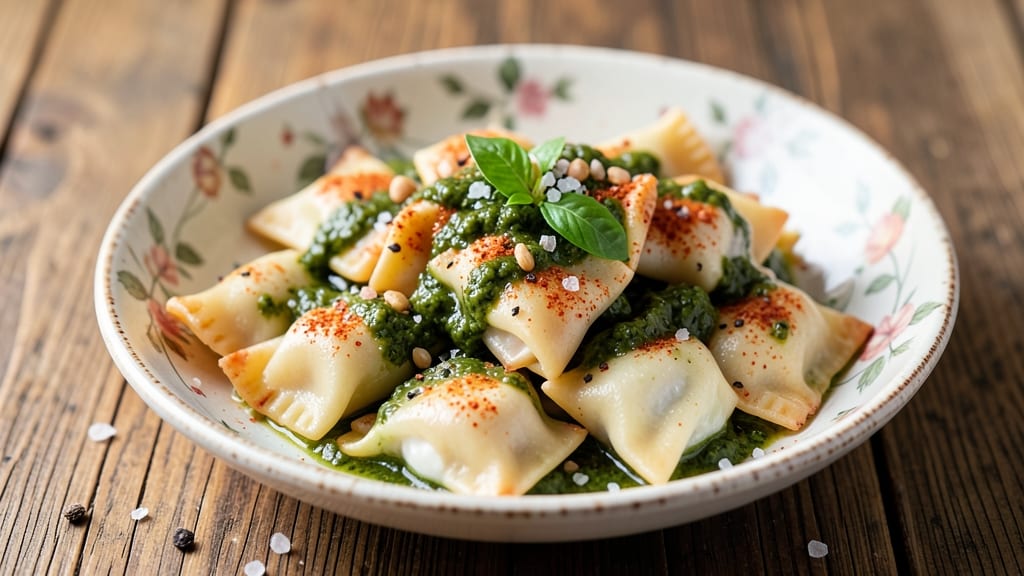
This authentic Italian cheese ravioli recipe brings the soul of Nonna's kitchen to your table with handmade pillowy dough and a rich ricotta-parmesan filling. ✨ The secret lies in precise ingredient ratios—flour, eggs, and water for tender dough—and a filling that balances creamy ricotta with sharp parmesan and fresh herbs.
Every step matters, from rolling the dough to sealing those delicate squares by hand.
What sets this recipe apart is the authenticity: no shortcuts, just traditional techniques that deliver restaurant-quality results. The dough achieves that signature pillowy texture when rolled thin and cooked al dente, while the filling stays moist and flavorful without breaking the delicate pasta.
It's the kind of dish that transforms a simple meal into an Italian feast.
By the time you plate these ravioli, you'll have perfectly shaped, golden-brown squares floating in simmering broth or tossed with your favorite sauce. The contrast of tender pasta and creamy filling creates bites that are impossible to resist. This is comfort food at its finest—made with care and tradition.
Whether you're serving for a special occasion or just craving homemade pasta, this recipe delivers authentic Italian flavors without the fuss. Let's get started on creating your own batch of handmade ravioli that will impress even the most discerning palates.
Ingredients for authentic italian cheese ravioli
Authentic Italian flavors start with these quality ingredients for pillowy ravioli.
| Ingredient | Amount | Notes |
|---|---|---|
| All-Purpose Flour 🌾 | 2 cups | Sifted for smooth dough texture |
| Large Eggs 🥚 | 3 whole | Room temperature for best mixing |
| Granulated Sugar 🍚 | ½ tsp | Balances dough flavor |
| Fine Sea Salt 🧂 | ½ tsp | Diamond Crystal preferred |
| Cold Water 💧 | ½ cup | Gradually added to dough |
| Part-Skim Ricotta Cheese 🧀 | 1 cup | Drained for excess moisture |
| Freshly Grated Parmigiano-Reggiano 🧀 | 1 cup | Freshly grated from block |
| Fresh Spinach 🌿 | ½ cup | Chopped finely, blanched |
| Fresh Basil Leaves 🌿 | ¼ cup | Finely chopped, packed |
| Garlic Cloves 🧄 | 2 cloves | Minced finely for filling |
| Extra-Virgin Olive Oil 🫒 | 1 tbsp | For dough and filling |
| Freshly Ground Black Pepper 🌶️ | ¼ tsp | Freshly cracked preferred |
| Vegetable Oil 🫒 | 2 tbsp | For frying ravioli |
| Butter 🧈 | ½ cup | Unsalted, for serving |
| Freshly Grated Pecorino Romano 🧀 | ¼ cup | For finishing, optional |
The flour matters—King Arthur or Caputo Tipo 00 if you can find it—gives that signature Italian texture. Whole Foods or Trader Joe's usually carry Tipo 00, but all-purpose works in a pinch. Eggs should be large and cold when you start, but let them sit out for 30 minutes before using. The ricotta? Part-skim, not whole milk, or it'll make your filling too greasy. Drain it in a fine-mesh strainer for 10 minutes before using—trust me, it makes all the difference. For the Parmigiano-Reggiano, skip the pre-grated stuff—it's full of anti-caking agents and won't melt right.
No fresh basil? Dried oregano at half the amount works, but you'll miss that bright flavor. Spinach can be frozen (thaw and squeeze out water), but fresh is ideal. The garlic should be freshly minced—jarred minced garlic has a metallic taste. Short on olive oil? Avocado oil works too, but it has a different flavor profile. For the filling, don't skip the salt—it balances the richness. And if you're making a big batch, double the filling recipe and freeze it in portions. The dough can be made a day ahead—wrap it tightly in plastic and let it rest at room temp before using.
Dough keeps for 2 days in the fridge, wrapped tightly. The filling can be frozen for 3 months—portion it into small containers so you can grab just what you need. Ravioli freeze beautifully too, just lay them on a tray to freeze first so they don't stick together. When reheating, steam them for 2-3 minutes—they'll be perfect every time. And if you're serving with butter and cheese, make it ahead so you can just toss everything together when guests arrive.
Why You'll Love This Recipe
- No-Fuss Dough: Mixing the dough takes five minutes—just flour, eggs, a pinch of sugar, and cold water. I swear by the "fold and rest" method: dump, knead until smooth, let it sit while I boil the pasta water. No fancy equipment, no stress.
- Cheese Pulls Hard: That creamy ricotta and parmigiano blend? It’s dangerously good—rich but not heavy, with that perfect melt when it hits the simmering broth. Honestly, the first time I tasted it, I nearly skipped dinner to eat the raw filling.
- Weeknight Hero: Freezes like a dream—just shape, flash-freeze on a tray, then bag them for later. Toss in a jar of marinara or butter and sage for a 10-minute meal. My go-to when I’m exhausted but still want to feel fancy.
- Budget Stretch: Four ingredients, zero waste. The dough uses pantry staples, and the cheese filling stretches for multiple meals. I’ll be real: it’s how I feed my family for under $10. Plus, leftovers reheat better than takeout.
Step-by-step instructions for authentic Italian cheese ravioli
Let's make these pillowy ravioli just like Nonna would—handmade, stuffed with creamy ricotta, and cooked to perfection.
👨🍳 Step 1: Make the Pillowy Dough
On a clean work surface or in a large mixing bowl, mound the 2 cups all-purpose flour and create a well in the center. Add the 3 whole large eggs, 0.5 teaspoon granulated sugar, and 0.5 teaspoon fine sea salt. Using a fork, gently whisk the eggs and dry ingredients together until a shaggy dough forms.
Gradually drizzle in the 0.5 cup cold water while mixing with your hands or a dough whisk. Once the dough comes together, knead for 5-7 minutes until smooth and elastic. Wrap tightly in plastic wrap and rest for 30 minutes at room temperature—this relaxation step prevents tough ravioli.
👨🍳 Step 2: Prepare the Filling
While the dough rests, combine the 1 cup part-skim ricotta cheese, 1 cup freshly grated Parmigiano-Reggiano, 0.5 cup finely chopped spinach, 0.25 cup finely chopped basil leaves, 2 minced garlic cloves, 1 tablespoon extra-virgin olive oil, and 0.25 teaspoon freshly ground black pepper in a bowl. Mix gently with a fork until just combined—don't overwork or the filling will become dense.
For the spinach, blanch it in boiling water for 30 seconds, then drain and squeeze out excess water before chopping. This ensures your filling stays creamy and not watery. Taste the mixture and adjust seasoning if needed—it should be rich but not overpowering.
🥘 Step 3: Roll and Cut the Dough
After resting, divide the dough into 4 equal portions. Working with one piece at a time, roll it out on a floured surface using a pasta machine or rolling pin to 1/16-inch thickness. Dust with flour to prevent sticking—this is crucial for thin, delicate ravioli.
Using a round cutter or glass, cut 2-inch circles from the dough. Place 1 teaspoon filling in the center of each circle, then fold over and press the edges together with your fingers or a fork to seal. I like to make a small pleat at the top for extra security—this prevents filling leaks during cooking.
🔥 Step 4: Cook the Ravioli to Perfection
Bring a large pot of salted water to a rolling boil. Carefully drop in 4-5 ravioli at a time and cook for 2-3 minutes until they float to the surface. This indicates they're perfectly cooked—overcooking makes them tough. Use a slotted spoon to transfer them to a plate.
For extra flavor, reserve 1 cup pasta water before draining. Toss the cooked ravioli with 2 tablespoons vegetable oil to prevent sticking. The ravioli should be tender but still hold their shape—if they fall apart, they've been overcooked.
🍽️ Step 5: Finish with Butter and Cheese
In a large skillet, melt the 0.5 cup butter over medium heat until foaming. Add the cooked ravioli and toss gently to coat in the buttery sauce. Sprinkle with 0.25 cup freshly grated Pecorino Romano and toss again until melted and glossy.
Serve immediately with additional grated cheese on top. The ravioli should be pillowy with a delicate crust, filled with creamy ricotta, and finished with rich buttery sauce. Each bite should deliver that authentic Italian comfort food experience we're after.
Pro Tips For Making Authentic Italian Cheese Ravioli
- Chill the Dough: After kneading, wrap the dough in plastic and refrigerate for at least 30 minutes—yes, even if you're eager to roll. I used to skip this, and the dough would stick to my hands and the rolling pin like glue. Cold dough handles better, seals tighter, and gives you cleaner edges when cutting.
- Use Room-Temp Eggs: Take eggs out of the fridge 30 minutes before mixing—cold yolks make the dough tough and uneven. I learned this the hard way when my ravioli turned out dense and chewy instead of tender. Room-temperature eggs blend smoother and create a silkier texture.
- Salt the Water Hard: Boil your pasta water with 2 tablespoons of salt per gallon—more than you think you need. Under-salted water means bland ravioli, no matter how good the filling. Taste it: it should taste like the sea. Trust me, your ravioli will thank you.
- Dust, Don’t Wet: Skip the water when sealing ravioli—flour is your friend. Lightly dust the edges with all-purpose flour before folding to create a clean, crisp seal. I was skeptical until I tried it: no soggy edges, no filling leaks, and the final bite is perfectly clean. (Yes, even if it looks messy at first.)
Perfect pairings for this recipe
Classic Butter & Sage
This timeless pairing transforms your ravioli into a restaurant-worthy dish. In a large skillet, melt ½ cup unsalted butter over medium heat until foaming. Add 8 fresh sage leaves and cook for 30 seconds until fragrant but not crispy.
Toss in your cooked ravioli and ¼ cup reserved pasta water to create a silky sauce. Finish with ¼ cup grated Pecorino Romano and a pinch of freshly cracked black pepper. The sage adds an earthy aroma that perfectly complements the creamy filling. 🌿
Brown Butter & Parmesan
For a deeper, nuttier flavor profile, brown the butter before adding the ravioli. Melt ½ cup unsalted butter in a skillet over medium-high heat until it turns golden brown and smells nutty (about 3-4 minutes).
Immediately add 1 cup freshly grated Parmigiano-Reggiano and ¼ cup pasta water to create an emulsified sauce. Toss in your ravioli and let them soak up the rich, caramelized butter. This technique adds complexity that elevates the dish to new heights. 🧈
Light Lemon & Herb Oil
For a brighter, fresher option that works beautifully for summer meals, create a vibrant herb oil.
In a small saucepan, gently heat ¼ cup extra-virgin olive oil with 1 tbsp lemon zest, 2 tbsp fresh parsley, 1 tbsp fresh basil, and 1 clove garlic (lightly crushed) over low heat for 2 minutes. Strain and drizzle over your cooked ravioli.
Add a squeeze of fresh lemon juice and a sprinkle of flaky sea salt for a refreshing finish. This pairing is perfect for warm weather when you want something lighter. 🍋
Creamy Brown Butter & Spinach
Combine two rich flavors in one luxurious sauce. Brown ½ cup butter as directed above, then stir in 2 cups fresh spinach until just wilted. Add your ravioli and ¼ cup pasta water, tossing gently.
Finish with ¼ cup grated Parmigiano-Reggiano and a pinch of freshly ground nutmeg. The spinach adds freshness while maintaining the dish's creamy, indulgent nature. This sauce is especially comforting during colder months. 💚
Spicy Arrabbiata Sauce
For those who love heat, create a quick arrabbiata sauce by cooking 2 tbsp olive oil in a skillet over medium heat. Add 3 minced garlic cloves and 1 tbsp red pepper flakes, cooking for 30 seconds until fragrant.
Pour in 1 cup crushed San Marzano tomatoes and simmer for 5 minutes. Toss in your ravioli and finish with ¼ cup fresh basil and salt to taste. The spicy, tangy sauce cuts through the richness of the ravioli beautifully. 🌶️
Wine & Cheese Pairings
For an authentic Italian dining experience, pair your ravioli with a crisp white wine. A Pinot Grigio from Friuli-Venezia Giulia complements the creamy filling with its bright acidity and citrus notes.
For red wine lovers, a Chianti Classico offers enough acidity to cut through the richness while enhancing the tomato-based sauces. Always serve the wine slightly chilled (50-55°F) for the best experience. 🍷
Nutrition facts
Frequently asked questions
Can I use store-bought dough for authentic Italian ravioli?
While it's possible, we don't recommend it for authentic results. Store-bought dough often contains additives that affect texture, and you'll miss the satisfaction of handmade pasta. If you're short on time, use high-quality fresh pasta sheets (like those from Trader Joe's or Italian markets) and focus on perfecting the filling and shaping.
How do I prevent my ravioli filling from leaking?
Proper sealing is key! After placing filling in the center, fold the dough over and press edges firmly with your fingers or a fork. For extra security, make a small pleat at the top. Also ensure your filling isn't too wet—drain ricotta thoroughly and avoid overmixing. If leaks occur during cooking, your ravioli might be undercooked or the dough too thin.
What's the best way to store homemade ravioli?
For freshness, store uncooked ravioli on a floured tray in the fridge for 1 day or freeze them on a tray first (to prevent sticking) for up to 3 months. Cook from frozen by adding 1 minute to boiling time. The dough can be made 2 days ahead—wrap tightly and let rest at room temp before using. Filling keeps for 3 days in the fridge.
Can I make the filling ahead of time?
The filling actually tastes better after resting. Mix all ingredients and refrigerate for up to 24 hours (covered tightly). The flavors meld beautifully. When ready to use, bring to room temperature before assembling. For freezing, portion into small containers and thaw in the fridge overnight.
Why did my ravioli turn out tough instead of pillowy?
This usually happens from overworking the dough or undercooking. The dough should be kneaded just until smooth (5-7 minutes), not until elastic. Also ensure you're cooking them al dente—they should float in 2-3 minutes. If the dough feels tough, you may have added too much flour. For extra tenderness, let the dough rest 30 minutes before rolling.