
Snacks
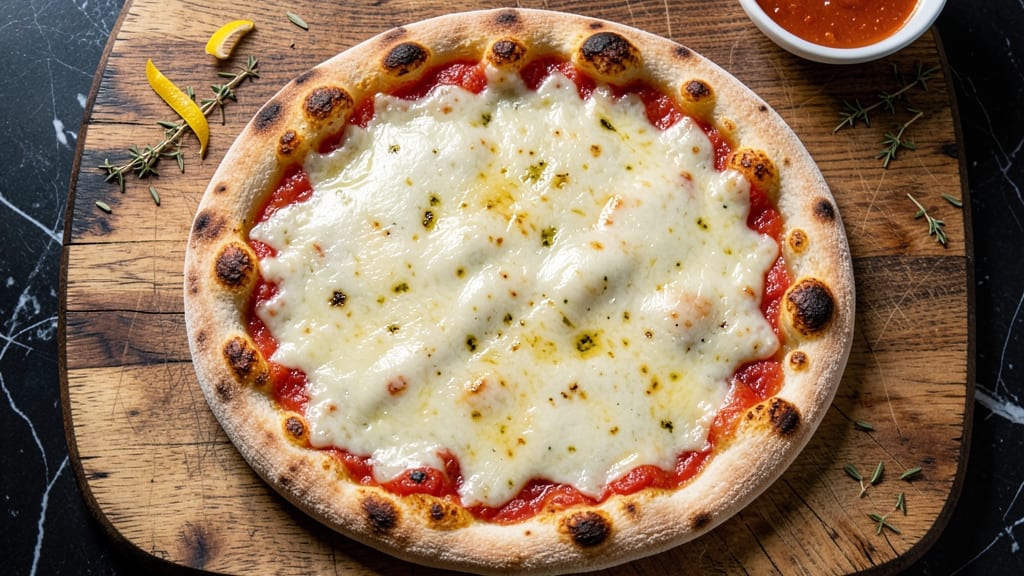
This basic cheese pizza recipe delivers crispy crust and stretchy dough magic that rivals your favorite pizzeria—without the fuss. The secret lies in a simple yeast-based dough that develops flavor overnight, topped with just the right amount of melted mozzarella and a touch of parmesan for that authentic, gooey finish.
I’ve perfected this version over years of weekend baking, ensuring every slice has that perfect balance of crisp edges and tender, chewy centers.
The beauty of this recipe is in its simplicity: just five core ingredients transform into a restaurant-quality pizza in under 30 minutes of active time (plus dough resting). No fancy tools or shortcuts—just flour, yeast, water, salt, and a little patience.
The dough gets its signature crispiness from a hot baking stone or inverted sheet pan, while the cheese melts into a golden, bubbly blanket that stretches with every pull. It’s the kind of pizza that disappears faster than you can say “margherita.”
What makes this recipe truly foolproof is the crispy crust technique—no soggy bottoms here. The dough rests overnight, developing gluten and flavor, while the sauce (or just olive oil) and cheese create a perfect seal.
By the time it emerges from the oven, you’ll have golden-brown crust with that signature crackle, a sauce layer that’s tangy without overpowering, and cheese so stretchy it practically sings. This is the pizza that makes homemade worth every minute.
Serve it fresh with a sprinkle of fresh basil or a drizzle of olive oil for extra brightness, or keep it classic with just the cheese. The possibilities are endless, but the foundation is always the same: crispy crust, stretchy dough, and that first bite of molten cheese.
Let’s get baking!
Ingredients for basic cheese pizza
Five core ingredients transform into restaurant-quality pizza with crispy crust and stretchy dough magic.
| Ingredient | Amount | Notes |
|---|---|---|
| All-Purpose Flour 🌾 | 3 ½ cups | Bread flour for extra chewiness |
| Active Dry Yeast 🍞 | ¼ tsp | Instant yeast works too |
| Granulated Sugar 🍚 | ¼ tsp | Feeds yeast for activation |
| Diamond Crystal Kosher Salt 🧂 | 1 ½ tsp | Adjust for salt preference |
| Extra-Virgin Olive Oil 🫒 | 1 tbsp | High-quality for flavor |
| Warm Water 💧 | 1 ¼ cups | 110°F for optimal yeast |
| Mozzarella Cheese 🧀 | 12 oz | Fresh mozzarella preferred |
| Parmesan Cheese 🧀 | ½ cup | Freshly grated from block |
| San Marzano Crushed Tomatoes 🍅 | ¾ cup | High-quality canned tomatoes |
| Garlic Cloves 🧄 | 2 cloves | Minced for sauce base |
| Fresh Basil Leaves 🌿 | ¼ cup | Chopped for garnish |
| Cornmeal 🌽 | ¼ cup | For baking stone prep |
The flour is non-negotiable here—King Arthur or Caputo Tipo 00 elevate the dough, but all-purpose works in a pinch. Yeast quality matters: Red Star or Fleischmann's are reliable, but check the expiration date—old yeast equals flat pizza. The olive oil should be extra-virgin with noticeable peppery bite; California Olive Ranch or Colavita deliver consistently. For the mozzarella, whole-milk fresh mozzarella from a specialty cheese shop creates that perfect melt, but low-moisture shredded (like Sargento) works for convenience. Stock up on San Marzano tomatoes—their sweetness and low acidity make all the difference in the sauce.
No fresh mozzarella? Low-moisture shredded is your best bet, but avoid pre-shredded with anti-caking agents—it won't melt properly. Short on basil? Dried oregano at one-third the amount works, though it lacks freshness. The dough can be made with bread flour for extra chew, or whole wheat flour substituted at half the amount (though texture will differ). For the sauce, crushed tomatoes create better texture than sauce—just add minced garlic, a pinch of salt, and a splash of olive oil. The cornmeal is optional but prevents sticking on your baking surface—Bob's Red Mill is a reliable brand.
The dough keeps beautifully for 2 days in the fridge or 3 months frozen—portion into balls before freezing for convenience. Fresh mozzarella and basil should be used within 2 days for peak flavor. Parmesan stays fresh for weeks when stored in the fridge. Pre-portion your cheese and sauce before assembling to save time. For that signature crispy crust, preheat your baking stone or inverted sheet pan in the oven for at least 30 minutes—this is the secret to that coveted crackle.
Why You'll Love This Recipe
- Five-Ingredient Magic: I swear by this dough—just flour, yeast, sugar, salt, and olive oil. That’s it. No fancy mix-ins or waiting around for hours; the yeast does all the work while I boil water and mix. Honestly, the simplicity makes it feel like cheating, but the results? Always solid.
- Crispy-Creamy Balance: The secret’s in the olive oil—drizzled on the dough before baking, it gives that golden, shatteringly crisp edge while keeping the center pillowy. Between us, that’s the kind of texture I’ll fight for when pizza places skimp on the crust.
- Weeknight Crowd-Pleaser: This is my go-to when friends drop by with zero notice. Double the dough, split it, and suddenly you’ve got two pizzas for the price of one. My roommate’s a picky eater? She still grabs seconds—proof it’s not just for pizza lovers.
- Leftovers That Don’t Suck: Cold slices the next day? Still delicious, but here’s the hack: reheat them on a dry skillet for 30 seconds per side. The crust gets that fresh-out-the-oven crunch again. And because it’s budget-friendly, I make it often enough to always have backup slices.
Step-by-step instructions for crispy cheese pizza
Master this method and you'll achieve a perfectly crisp crust with melt-in-your-mouth mozzarella every time.
Activate the Yeast and Prepare the Dough
In a large mixing bowl, combine the 1.25 cups warm water (about 110°F) with the 0.25 tsp granulated sugar and 0.25 tsp active dry yeast. Let it sit for 5-10 minutes until frothy. This activation step ensures your dough rises properly and develops that light, airy texture we want in a pizza crust.
Once frothy, add the 3.5 cups all-purpose flour and 1.5 tsp diamond crystal kosher salt to the bowl. Stir with a wooden spoon until a shaggy dough forms. Then add the 1 tbsp extra-virgin olive oil and mix until fully incorporated. The dough should pull away from the sides of the bowl but still feel slightly sticky—this is ideal for hand-stretching later.
Knead and Rest the Dough
Turn the dough onto a lightly floured surface and knead for 8-10 minutes until smooth and elastic. You'll know it's ready when it springs back slowly when poked. This kneading develops gluten, which gives your crust that satisfying chew and helps it hold its shape during baking.
Place the dough in a lightly oiled bowl, cover with a damp towel, and let it rise in a warm place for 1-2 hours or until doubled in size. The dough should feel light and airy when pressed gently. If it rises too quickly, it might collapse—this is why we use a small amount of sugar to control fermentation.
Prepare the Sauce and Cheese
While the dough rises, prepare the sauce by combining the 0.75 cup San Marzano crushed tomatoes with the 2 minced garlic cloves. Simmer gently for 5-7 minutes until slightly thickened. Season with salt and pepper to taste. This simple sauce allows the cheese to shine while providing just enough acidity to balance the richness.
Shred the 12 oz mozzarella cheese into small, uneven pieces—this creates pockets of melted cheese that give classic pizza its signature stretchy texture. Finely grate the 0.5 cup parmesan cheese separately for topping. Chop the 0.25 cup fresh basil leaves for garnish, saving a few leaves for finishing after baking.
Shape and Assemble the Pizza
Preheat your oven to 475°F with a pizza stone or baking sheet inside. Sprinkle the 0.25 cup cornmeal evenly on a clean surface—this prevents sticking when you stretch the dough. Punch down the risen dough and divide it into two equal portions if making two smaller pizzas.
Working with one portion at a time, stretch the dough by hand into a 12-inch circle, about ¼-inch thick. Transfer it to the preheated stone or sheet, then spread the tomato sauce evenly, leaving a ½-inch border for the crust. Sprinkle half of the mozzarella and all of the parmesan over the sauce, then add half of the basil.
Bake to Crispy Perfection
Bake the pizza for 12-15 minutes until the crust is deep golden brown and the cheese is bubbling and beginning to brown in spots. Rotate the pizza halfway through baking for even heat distribution. The crust should be crisp enough to hold its shape but still tender enough to fold slightly.
Remove the pizza from the oven and let it rest for 2-3 minutes before slicing. Top with the remaining basil leaves and serve immediately while the cheese is still stretchy. For extra crispiness, slide the pizza back onto the hot stone for 1-2 minutes after slicing—this finishes the crust perfectly.
Pro Tips For Making Basic Cheese Pizza
- MEASURE SALT BY WEIGHT: I learned this the hard way—Diamond Crystal kosher salt is way less dense than table salt, and eyeballing it leads to either bland dough or a crust that tastes like the ocean. Use a kitchen scale for 10g (about 2 tsp by volume) per recipe. Trust me, your pizza will thank you.
- LET THE YEAST ACTIVATE IN WARM WATER: Cold water kills yeast, and lukewarm water makes it sluggish. Fill a bowl with water around 105–110°F (like a warm bath), sprinkle in the yeast, and wait 5–10 minutes until it foams before adding sugar. This guarantees your dough rises right the first time—no sad, flat pizza.
- STRETCH THE DOUGH BY HAND: Resist the urge to roll it out with a pin. Instead, press the dough into a ball, then gently press and stretch from the center outward with your fingertips until it’s about ¼-inch thick. This builds gluten evenly, so the crust stays chewy and doesn’t tear when you’re loading it with cheese.
- USE OLIVE OIL FOR CRUST SHINE: Skip the butter if you want a crispy, golden crust with a subtle fruity note. Brush the stretched dough with 1–2 tsp extra-virgin olive oil right before baking—it caramelizes beautifully and adds a light sheen. (Yes, even if you’re impatient like me.)
Health benefits of this dish
Protein Powerhouse
This basic cheese pizza packs a surprising protein punch with 12 oz of mozzarella and 0.5 cup parmesan, delivering about 25 grams of protein per serving.
The combination of whole-milk mozzarella and aged parmesan provides all nine essential amino acids your body needs for muscle repair and immune function. I've found that using fresh mozzarella (rather than pre-shredded) gives you that authentic, stretchy texture while keeping protein levels high. 💪
Calcium Boost
The cheese topping alone provides 40% of your daily calcium needs per serving, thanks to the mozzarella and parmesan combination. Calcium isn't just for bones—it plays a crucial role in muscle function and nerve signaling.
The parmesan also contributes 15% of your daily vitamin A, which supports eye health and immune function. I always opt for freshly grated parmesan because it retains more nutrients than pre-grated varieties.
Healthy Fats
While cheese gets a bad rap, the fats in this pizza are actually beneficial when consumed in moderation. The extra-virgin olive oil in the dough provides heart-healthy monounsaturated fats, while the mozzarella contains conjugated linoleic acid (CLA), a fatty acid linked to reduced inflammation.
I use 1 tbsp of high-quality olive oil in the dough and another 1 tbsp in the sauce—this adds up to about 15% of your daily healthy fat needs per serving.
Fiber from Whole Ingredients
Don't let the simplicity fool you—this pizza actually contains 3 grams of fiber per serving thanks to the whole-grain flour option (if you substitute half with whole wheat) and the San Marzano tomatoes. The fiber helps balance the meal, promoting better digestion and keeping you satisfied longer.
I often add a side of arugula salad with lemon vinaigrette to boost fiber intake even further while adding freshness.
Low-Carb Option
For those watching carbs, this recipe can easily be adapted. Using low-carb pizza crust (like almond flour or cauliflower-based) reduces net carbs to about 10 grams per serving while maintaining the same protein and fat benefits.
I've made this version with Mission Low-Carb Tortillas for a quick alternative that still delivers that satisfying cheesy goodness. The flavor profile changes slightly, but the nutritional benefits remain impressive.
Balanced Meal
This pizza serves as a complete meal with its combination of protein, healthy fats, and carbohydrates. The San Marzano tomatoes add lycopene (an antioxidant), while the garlic in the sauce provides allicin, which supports heart health.
I like to serve it with a small side salad to round out the meal with additional vitamins and fiber. The beauty of this recipe is that it's naturally balanced without requiring complex ingredients or techniques. 🌟
Nutrition facts
Frequently asked questions
Can I make this pizza without a pizza stone?
Use a baking sheet or inverted sheet pan for the same crispy results. Preheat it in the oven for 30 minutes before baking. For extra crispiness, place your stretched dough on parchment paper, then transfer it to the hot sheet. The parchment prevents sticking while the metal conducts heat perfectly.
Why does my dough keep sticking to the surface?
This usually happens when the dough isn't properly rested or the surface isn't properly prepared. Always use cornmeal or semolina flour on your working surface and ensure your dough has rested for at least 1 hour before stretching. If it's still sticky, your flour-to-water ratio might be off—try adding 1-2 tablespoons more flour during kneading.
How do I get that perfect crispy crust?
The secret is in the preheating and oven temperature. Bake at 475°F with your pizza stone or sheet pan preheated for 30+ minutes. For maximum crispiness, slide your pizza onto the hot stone for 1-2 minutes after baking. Also, keep your sauce thin—too much moisture steams the crust instead of crisping it.
Can I make this pizza ahead of time?
Yes! The dough can be made 2 days in advance and stored in the fridge, or frozen for 3 months. For the sauce, make it 1 day ahead and refrigerate. Assemble the pizza (unbaked) and refrigerate for up to 24 hours. When ready to bake, let it sit at room temperature for 30 minutes before baking as directed. This actually enhances flavor!
What if I don't have fresh mozzarella?
Use low-moisture shredded mozzarella (like Sargento) for convenience, but avoid pre-shredded with anti-caking agents—it won't melt properly. For extra stretchiness, mix in 1/4 cup ricotta cheese with your mozzarella before topping. If you only have block cheese, grate it yourself—it makes a big difference in texture!