
Snacks
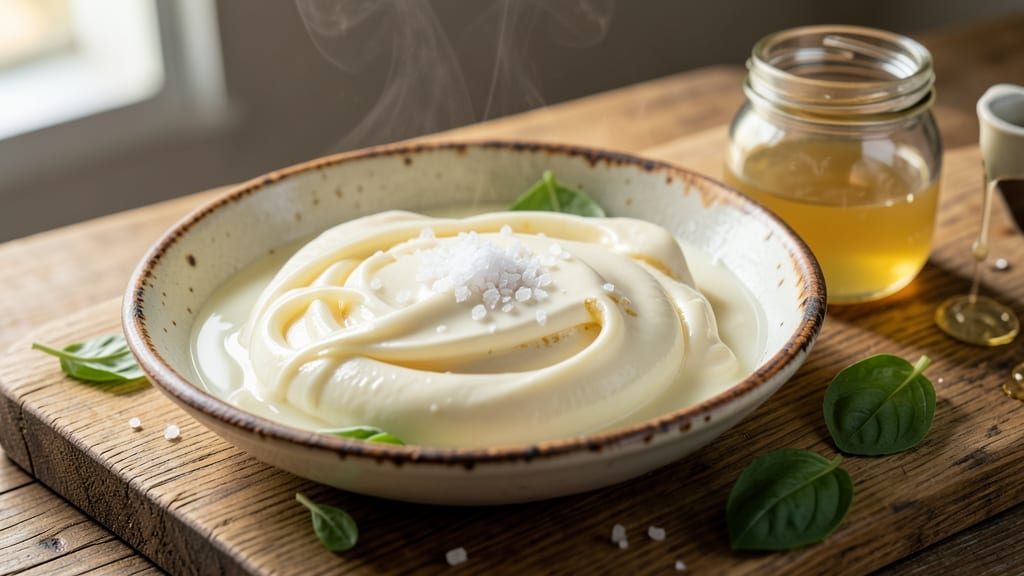
Creating authentic mozzarella at home transforms simple curds into silky, melt-in-your-mouth cheese with restaurant-quality texture. The secret lies in precise temperature control and the traditional stretch-and-fold technique—no shortcuts deliver the same result.
This method replicates the artisanal process Italian cheesemakers use, ensuring a product that's creamy, elastic, and perfect for caprese salads or homemade pizzas.
The process begins with whole cow's milk, which provides the necessary fat content for authentic flavor and texture. Acidification with citric acid or vinegar, followed by rennet coagulation, creates the foundation for your cheese.
Heating the curds to 105°F and stretching them in hot whey at 185°F is where the magic happens—this step transforms bland curds into the signature stretchy, smooth mozzarella we all love. Every stage requires attention to detail, but the result is worth the effort.
What sets this recipe apart is its foolproof approach to achieving professional results at home. The thermometer-controlled heating ensures consistent temperatures, while the stretch-and-fold technique develops the cheese's signature elasticity. Safety is built in with proper pasteurization and hygiene practices, so you can focus on perfecting your technique without worry.
By the end, you'll have fresh mozzarella that's ready to be sliced, melted, or enjoyed on its own.
Pair your homemade mozzarella with a simple caprese salad to experience the full flavor potential. The bright acidity of tomatoes and the sharpness of basil complement the mild, buttery notes of fresh mozzarella beautifully.
This recipe isn't just about making cheese—it's about mastering a technique that elevates your cooking to a new level. Let's get started on creating your own batch of authentic mozzarella.
Ingredients for authentic mozzarella cheese
Nine essential ingredients transform simple milk into restaurant-quality mozzarella at home.
| Ingredient | Amount | Notes |
|---|---|---|
| Whole Cow's Milk 🥛 | 1 gallon | Room temperature, 3.5% fat minimum |
| Citric Acid 🍋 | ¼ tsp | Powdered, food-grade |
| Liquid Rennet 🧀 | ¼ tsp | Animal-free vegetarian rennet |
| Cheesecloth 🧶 | 1 piece | Muslin or cotton, 18-inch square |
| Diamond Crystal Kosher Salt 🧂 | ½ tsp | Fine grain preferred |
| White Vinegar 🍶 | 1 tbsp | For acidification backup |
| Distilled Water 💧 | 2 cups | For rinsing curds |
| Lemon Juice 🍋 | 1 tbsp | Freshly squeezed |
| Ice Cubes ❄️ | 1 cup | For cooling milk |
The milk is non-negotiable—whole cow's milk with 3.5% fat or higher gives authentic flavor and stretch. Organic Valley or Horizon are reliable grocery store options, but check the label for fat content. Room temperature is critical—cold milk won't coagulate properly. If your milk is straight from the fridge, let it sit at room temperature for 2 hours before starting. The cheesecloth matters too—muslin or cotton works best, and you can find it in the cheese-making section of Williams Sonoma or online. Skip the paper towels; they don't drain well enough for mozzarella's delicate texture.
No citric acid? White vinegar works in a pinch—use the same amount. Vegetarian rennet is a must (check labels for animal-free versions), but if you're stuck, lemon juice or vinegar can coagulate milk, though the texture won't be as perfect. The cheesecloth can be substituted with clean kitchen towels in a pinch, but they won't drain as effectively. For the salt, Diamond Crystal kosher dissolves best—avoid iodized table salt, which can alter flavor. Pre-measure everything before starting; this isn't a recipe where you can eyeball it.
Store your fresh mozzarella in brine or wrapped in damp paper towels for up to 5 days in the fridge. For longer storage, freeze portions in olive oil or water for up to 3 months. The brine recipe is simple: 1 cup water + 1 tbsp salt—just dissolve and submerge your cheese. If you're making extra, portion it into small containers with a bit of liquid to prevent drying. The first batch might take practice, but trust the process—authentic mozzarella is worth every step.
Why You'll Love This Recipe
- Here’s what sold me: a gallon of whole milk and a tiny vial of rennet stretch into pounds of mozzarella for pennies on the dollar. No plastic packaging, no mystery fillers—just pure, stretchy goodness. I freeze half the batch in blocks, and thawing it in warm water gives me restaurant-quality cheese anytime. My wallet and my taste buds thank me.
- No-Fuss Stretch: I swear by this method—just heat the whole milk to 90°F, add the citric acid and rennet, and let it sit. No fancy equipment, no waiting hours like store-bought claims. The cheese pulls cleanly from the whey with a few gentle folds, and honestly? It’s the closest I’ve gotten to that perfect, melt-in-your-mouth texture without a degree in cheesemaking.
- Milky Magic Flavor: Between us, the real win is how the whole cow’s milk’s natural richness shines through. The kosher salt (don’t skimp—use that Diamond Crystal!) cuts through the creaminess just enough to make it addictive—that bright, tangy finish that turns plain pasta into a showstopper. I’ll never buy pre-shredded again.
- Pantry-to-Plate Flex: This cheese is my secret weapon for lazy nights and fancy dinners. Toss it into marinara in 10 seconds, or shred it fresh over a wood-fired pizza before it hits the oven. Even my picky teen devours it straight from the cheesecloth—yes, really. The best part? It keeps for days in whey, so I make a big batch and use it all week.
Step-by-step instructions for authentic mozzarella cheese
Here's how to transform fresh milk into restaurant-quality mozzarella with that signature stretch.
Acidify and Heat the Milk
Pour the 1 gallon Whole Cow's Milk into a large, heavy-bottomed pot. Add the 0.25 teaspoon Citric Acid and stir gently to dissolve completely. This step acidifies the milk slightly, which helps create a firmer curd later. Place the pot over medium heat and bring the milk to 185°F, stirring occasionally to prevent scorching.
You'll notice small bubbles forming around the edges and a thin skin developing on the surface. This is normal—keep stirring gently to prevent the milk from sticking to the bottom. Once the milk reaches 185°F, remove it from heat immediately. The temperature is critical for proper coagulation, so use an accurate thermometer. If the milk boils, it will scorch and ruin your cheese.
Add Rennet and Coagulate
Reduce the heat to low and stir in the 0.25 teaspoon Liquid Rennet. Mix gently for 30 seconds until fully dissolved. Then, cover the pot and let it sit undisturbed for 30-45 minutes at 185°F. During this time, the milk will transform from a liquid to a firm gel-like curd.
You'll know coagulation is complete when the curds have a clean break—insert a clean knife into the center of the pot. If the curds hold together and the whey is clear, you're ready for the next step. If the curds are too soft, wait another 10 minutes. Patience here ensures proper texture in your final cheese.
Cut and Cook the Curds
Once the curds are firm, use a clean, sharp knife or cheese wire to cut the curds into ½-inch cubes. Stir gently for 5 minutes to help release more whey. Then, increase the heat to medium-low and maintain the temperature at 105°F for 30 minutes. Stir occasionally to prevent the curds from sticking to the bottom of the pot.
During this time, the curds will shrink and firm up. You're looking for curds that are smooth and slightly rubbery to the touch. If the curds start to float to the top, gently stir them back down. The whey should become clear and slightly yellow. This step develops the texture that will allow your mozzarella to stretch later.
Drain and Rinse the Curds
After cooking, carefully ladle out the curds into the cheesecloth-lined colander, reserving the whey. Gather the corners of the cheesecloth and twist to squeeze out excess whey. Then, transfer the curds to a large bowl and add the 2 cups Distilled Water. Stir gently to rinse the curds, then drain again in the cheesecloth.
This rinsing step removes excess acidity, which helps create a milder, more authentic flavor. Repeat the rinsing process one more time with fresh water. The curds should now be smooth, white, and slightly elastic. If they feel too soft, you can gently knead them in the cheesecloth to firm them up. This is where the magic of mozzarella's stretchability begins to develop.
Stretch and Shape the Mozzarella
Bring a large pot of water to 190°F. While the water heats, place the drained curds in a bowl and add the 0.5 teaspoon Diamond Crystal Kosher Salt. Using clean hands, knead the curds gently for 1-2 minutes until they become smooth and elastic. Then, add the 1 tablespoon Lemon Juice and continue kneading.
When the water reaches 190°F, carefully transfer the curds to the hot water using a slotted spoon. Working quickly, knead and stretch the curds in the hot water for 5-7 minutes until they become smooth and glossy. This is the most critical step—you'll feel the curds become more elastic and silky as they absorb heat. If they become too firm, add a splash of hot water to soften them again.
Shape and Cool the Mozzarella
Remove the stretched curds from the hot water and transfer them to a bowl. Add the 1 cup Ice Cubes and mix gently to cool the cheese. Shape the mozzarella into a ball or loaf by kneading it in the ice water for 2-3 minutes. The ice helps set the final texture and prevents the cheese from becoming too soft.
Once cooled, transfer the mozzarella to a container and press it gently with a clean cloth for 10 minutes to remove any remaining water. Your authentic mozzarella is now ready to use in caprese salads, pizzas, or enjoy on its own. The cheese should have a smooth, slightly elastic texture and a mild, milky flavor. Store it in brine or wrapped in cheesecloth in the refrigerator for up to 5 days for the best results.
Pro Tips For Making Authentic Mozzarella Cheese
- Heat Milk Slowly: Warm your whole milk to 90°F (32°C) max—no faster than 1°F per minute. I learned this the hard way after scalding milk and ending up with a grainy, bitter curd that tasted like disappointment. Use a thermometer; your stove’s eye isn’t reliable.
- Use Cold Rennet: Chill your liquid rennet in the fridge for 10 minutes before adding it to the milk. Cold rennet activates slower and gives you cleaner, firmer curds—no rubbery mess. Trust me, your cheese will thank you later (even if your patience doesn’t).
- Acidify First, Always: Mix the citric acid into the warm milk (not hot) and let it sit for 5 minutes before adding rennet. Skipping this step means weaker curds that break apart like overcooked pasta. It’s the thing that actually changes the outcome.
- Stretch in Hot Water: After draining, submerge the curds in 180°F (82°C) water for 2-3 minutes before stretching—this relaxes the proteins so they don’t snap back like elastic. I was skeptical until I tried it; now I never skip it. (Yes, even if you’re impatient like me.)
Best sauces and condiments for this recipe
Classic Caprese Sauce
Elevate your fresh mozzarella with a simple tomato-basil sauce that highlights its creamy texture. Blend 1 cup cherry tomatoes, ¼ cup fresh basil leaves, 1 tbsp extra-virgin olive oil, 1 tsp balsamic vinegar, and a pinch of Diamond Crystal kosher salt.
Serve this vibrant sauce alongside sliced mozzarella and crusty bread for an instant Caprese salad. The acidity balances the cheese's mildness perfectly. 🌿
Garlic-Herb Butter
For a rich, savory pairing, melt ½ cup unsalted butter with 3 minced garlic cloves, 1 tbsp chopped parsley, and ½ tsp red pepper flakes. Spread this fragrant butter on warm bread or drizzle it over grilled mozzarella for a restaurant-quality finish.
The garlic enhances the cheese's natural sweetness while adding depth. Use within 2 hours of making to preserve freshness.
Spicy Arrabbiata
Add heat and brightness with a tomato-chili sauce that cuts through mozzarella's creaminess. Simmer 1 can (14 oz) crushed tomatoes, 2 tbsp olive oil, 2 tbsp red wine vinegar, and 1 tbsp Calabrian chili paste (like Penzeys) for 15 minutes.
Finish with 1 tbsp fresh basil. This sauce works perfectly with mozzarella on pizza or as a dip for breadsticks.
Honey-Lemon Dressing
Brighten your mozzarella with a sweet-tangy dressing that’s ideal for salads or drizzling. Whisk ¼ cup extra-virgin olive oil, 2 tbsp honey, 2 tbsp lemon juice, and ½ tsp salt. The honey balances the cheese’s mildness, while the lemon adds a refreshing zing.
Drizzle over a mozzarella and fig salad for a gourmet touch. Store in an airtight container for up to 5 days.
Pesto Variations
Swap traditional pesto for a mozzarella-friendly twist. Use 1 cup basil leaves, ¼ cup pine nuts (or walnuts), ½ cup grated Parmesan, ½ cup olive oil, and 1 garlic clove. Add 1 tbsp lemon juice to brighten the flavor.
This pesto pairs beautifully with mozzarella on crostini or as a topping for grilled vegetables. For extra richness, stir in 1 oz cream cheese into the pesto mixture.
Balsamic Glaze
Finish dishes with a reduced balsamic glaze that adds depth and sweetness. Simmer ½ cup balsamic vinegar in a small saucepan for 8-10 minutes until thickened. Drizzle over sliced mozzarella, caprese salads, or even pizza for a glossy, tangy finish.
The glaze enhances the cheese’s natural flavor without overpowering it. Store in a sealed jar for up to 2 weeks.
Nutrition facts
Frequently asked questions
Why does my homemade mozzarella turn rubbery?
Rubbery texture usually means the curds were overworked during stretching or the temperature wasn't controlled properly. The stretch-and-fold technique requires 190°F water—any hotter and the cheese will toughen. Work quickly but gently, and if the curds feel too firm, add a splash of hot water to soften them. Also, make sure your curds are properly drained before stretching.
Can I use store-bought milk for authentic mozzarella?
Technically yes, but whole cow's milk with 3.5% fat or higher works best for authentic texture. Ultra-pasteurized store milk often has lower fat content, which can make the cheese less stretchy. For best results, use fresh, whole milk from the grocery store (like Organic Valley) and let it sit at room temperature for 2 hours before starting.
How long can I store fresh mozzarella?
Fresh mozzarella keeps for 5 days in the fridge when stored in brine or wrapped in damp cheesecloth. For longer storage, freeze portions in olive oil or water for up to 3 months. The brine recipe is simple: 1 cup water + 1 tbsp salt. Just dissolve the salt and submerge your cheese completely to prevent drying.
What if my curds don't stretch at all?
This usually happens if the curds weren't cooked long enough at 105°F or if they were rinsed too thoroughly. Try this fix: After draining, knead the curds gently in the cheesecloth for 1-2 minutes to firm them up before stretching. Also, make sure your stretching water is exactly 190°F—any cooler and the curds won't develop elasticity.
Can I make mozzarella without rennet?
Yes, but the texture won't be as perfect. You can substitute 1 tbsp lemon juice or white vinegar for the rennet, though it may take 10-15 minutes longer for coagulation. The curds will be softer, so you'll need to cook them longer at 105°F to firm them up. For best results, always use vegetarian rennet if possible—it's designed for cheese-making and gives the most authentic outcome.