
Side Dishes
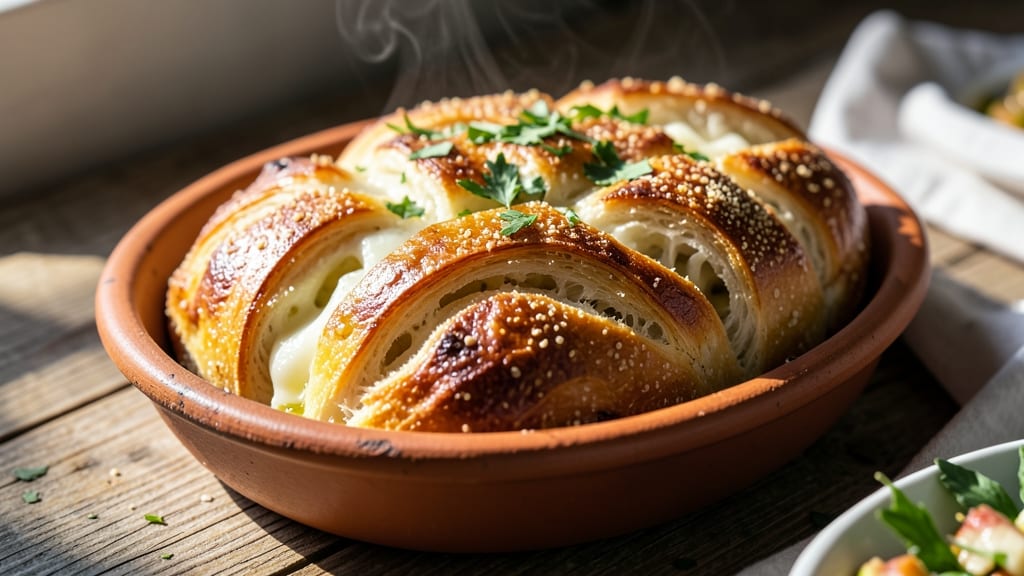
This Arabic cheese bread recipe delivers the perfect balance of flaky, golden layers and aromatic za’atar-spiced cheese—just like the freshly baked treats you’d find at a Middle Eastern bakery. 💛 The secret lies in a simple yet precise dough technique that creates those signature crispy edges while keeping the interior tender, paired with a generous sprinkle of za’atar for that signature nutty, herby crunch.
Traditionally, this dish—often called manakish—is baked in a dome-shaped oven, but a home oven can achieve the same results with a few adjustments.
The dough is enriched with a touch of olive oil and semolina flour for that signature texture, while the cheese filling (or topping) can be customized with halloumi, feta, or even a vegan alternative for flexibility.
Every bite combines crispy, flaky layers with a burst of savory, spiced cheese that’s impossible to resist.
What makes this recipe truly special is its versatility—serve it warm with a drizzle of olive oil and a side of garlic yogurt for dipping, or enjoy it as a snack with a cup of Arabic coffee.
The aroma alone will transport you to bustling markets in Beirut or Cairo, where these golden, cheesy delights are a staple. Ready to master the art of homemade Arabic cheese bread?
Whether you’re preparing for a family gathering or simply craving a taste of the Mediterranean, this recipe delivers restaurant-quality results with minimal effort. The key is patience—letting the dough rest and the cheese melt just enough to create that perfect balance of texture and flavor. Let’s get started!
Ingredients for arabic cheese bread
These 13 ingredients create the perfect flaky, za'atar-spiced manakish every time.
| Ingredient | Amount | Notes |
|---|---|---|
| All-Purpose Flour 🌾 | 3 cups | Sifted for light texture |
| Semolina Flour 🌾 | ½ cup | For signature crispiness |
| Active Dry Yeast 🍞 | ¼ tsp | Or 1 packet instant yeast |
| Granulated Sugar 🍚 | 1 tbsp | Feeds yeast for rise |
| Extra-Virgin Olive Oil 🫒 | ½ cup | High quality for flavor |
| Warm Water 💧 | 1 cup | 110°F for yeast activation |
| Salt 🧂 | 1 tsp | Kosher or sea salt |
| Halloumi Cheese 🧀 | 8 oz | Sliced 1/4-inch thick |
| Za'atar Spice Blend 🌿 | 2 tbsp | Store-bought or homemade |
| Sesame Seeds 🌰 | 2 tbsp | Toasted for extra crunch |
| Garlic Powder 🧄 | ½ tsp | For subtle garlic flavor |
| Ground Black Pepper 🌶️ | ¼ tsp | Freshly ground preferred |
| Sesame Oil 🫒 | 1 tbsp | For brushing dough |
The flour blend is key—semolina gives that signature crispy texture while all-purpose keeps the dough tender. King Arthur or Bob’s Red Mill are great for flour, but any high-quality brand works. For semolina, barilla is the gold standard—it’s widely available at Whole Foods or Middle Eastern markets. If you can’t find it, sub extra all-purpose flour but expect slightly less crispiness. The yeast needs to be fresh, so check the expiration date—it should be within 3 months of purchase. For the cheese, halloumi is ideal (it holds its shape when baked), but feta or mozzarella work too if that’s what you’ve got.
No za'atar? Mix equal parts dried thyme, sesame seeds, and sumac for a close substitute. The sesame seeds can be swapped for poppy seeds if you prefer. Olive oil quality matters here—use extra-virgin for the best flavor. If you’re short on time, pre-shredded cheese works for the topping, but freshly sliced halloumi makes all the difference. The dough needs to rest for at least 1 hour—this is where the magic happens. Don’t skip it, even if you’re in a hurry. For extra flavor, add a pinch of smoked paprika to the dough.
The dough keeps well in the fridge for 24 hours wrapped tightly in plastic. For longer storage, freeze portions for up to 3 months. Once baked, these stay fresh at room temperature for 2 days if stored in an airtight container. Reheat in a 350°F oven for 5 minutes to restore crispiness. The za'atar topping can be made ahead and stored in a jar for 2 weeks—just sprinkle it fresh before baking for maximum flavor.
Why You'll Love This Recipe
- No-Knead Magic: This dough comes together with just a bowl and your hands—no stand mixer, no fuss. The semolina flour gives it that signature crispy crust, while the olive oil keeps it tender. I swear, I’ve made it in my pajamas.
- Cheese Pull Power: That stretchy, melty akkawi or mozzarella? It’s the star here. The yeasty dough soaks up the cheese like a sponge, and every bite has that perfect balance of salty, creamy, and slightly caramelized edges. (Yes, even on a Tuesday night.)
- Breakfast to Brunch: Use it for breakfast wraps with scrambled eggs, as a brunch board centerpiece with labneh and olives, or even as a side for dinner with grilled meats. The dough’s neutral flavor plays nice with everything—no one will complain.
- Budget-Friendly Staple: A single batch feeds four, and leftovers toast up just as well the next day. The ingredients? Basic pantry staples. I’ve made this on grocery-store flour and still ended up with something that tasted like a bakery’s secret.
Step-by-step instructions for Arabic cheese bread
Master these techniques and you'll achieve the signature flaky layers and aromatic za'atar crunch.
👨🍳 Step 1: Mix and Knead the Dough
In a large mixing bowl, combine the 3 cups all-purpose flour, 0.5 cup semolina flour, 1 tbsp granulated sugar, 1 tsp salt, and 0.25 tsp active dry yeast. Whisk to distribute the yeast evenly through the dry ingredients—this ensures consistent activation.
Create a well in the center and add the 0.5 cup extra-virgin olive oil and 1 cup warm water (about 110°F). Using a wooden spoon, gently mix until a shaggy dough forms. The dough should pull away from the sides of the bowl but still feel slightly sticky—this is ideal for creating those signature flaky layers.
Turn the dough onto a lightly floured surface and knead for 8-10 minutes until smooth and elastic. You'll know it's ready when it springs back slowly when pressed. If the dough feels too sticky, add 1 tablespoon of flour at a time; if too dry, add 1 teaspoon of water. This kneading develops gluten, which gives the bread its structure and helps create those beautiful layers when baked.
🥘 Step 2: First Rise and Layering
Lightly grease a large bowl with sesame oil and place the dough inside. Cover with a damp kitchen towel and let rise in a warm place for 1-2 hours, or until doubled in size. The dough should feel puffy and airy when pressed gently—this indicates the yeast has done its job.
While the dough rises, prepare the halloumi filling. Slice the 8 oz halloumi cheese into ¼-inch thick slices. In a small bowl, mix 2 tbsp za'atar spice blend, 2 tbsp sesame seeds, 0.5 tsp garlic powder, and 0.25 tsp ground black pepper. This aromatic blend will infuse the cheese with authentic Mediterranean flavors.
Once the dough has risen, punch it down gently to release air. Divide the dough into 4 equal portions (about 8 oz each) and roll each into a 12-inch circle on a floured surface. Brush each circle lightly with sesame oil and sprinkle with 1 teaspoon of the za'atar mixture. Place 2 slices of halloumi in the center of each circle, then fold the dough over the cheese to form a half-moon shape. Seal the edges by pinching firmly with your fingers.
🔥 Step 3: Shape and Second Rise
Place each sealed cheese-filled dough piece on a parchment-lined baking sheet, seam-side down. Cover loosely with a damp towel and let rise for 30-45 minutes until puffy. The dough should expand noticeably, and the edges should pull away slightly from the cheese filling—this ensures a tender, airy texture when baked.
Preheat your oven to 375°F while the dough rises. This temperature is crucial for achieving that perfect balance of crispy exterior and soft, flaky interior. The semolina flour in the dough will also contribute to that signature crispy texture you're aiming for.
Once the dough has risen, brush the tops with additional sesame oil and sprinkle with the remaining za'atar mixture. This step adds extra flavor and creates a beautiful golden crust. Bake for 20-25 minutes until the bread is deep golden brown and sounds hollow when tapped on the bottom. The cheese inside should be warm but not melted through—this ensures it stays firm and sliceable.
⏰ Step 4: Rest and Serve
Remove the bread from the oven and let it cool on a wire rack for 5-10 minutes. This resting period allows the layers to set and makes slicing much easier. The bread should have a crisp exterior with flaky, airy layers inside, and the halloumi should be warm and slightly caramelized.
Slice each piece into ½-inch thick portions and serve warm. The contrast between the crispy, za'atar-spiced crust and the tender, cheesy interior is what makes this bread so irresistible. Pair with a simple cucumber salad or warm hummus for the perfect Mediterranean meal.
Pro Tips For Making Arabic Cheese Bread
- Bloom the yeast right: Mix the yeast with warm water and sugar first, then let it sit for 5–10 minutes until it turns frothy—this guarantees it’s active before adding flour. I used to skip this step, and my dough would rise unevenly or fail entirely. Trust me, this tiny pause saves headaches later.
- Mix semolina last: Add the semolina flour after the dough comes together—just before the final knead. It’s coarse and absorbs moisture differently, so tossing it in early makes the dough gummy. Sprinkle it in, then knead it in until it’s evenly distributed.
- Don’t overproof the dough: The dough is ready when it’s puffed but still springs back slowly when poked—about 1.5 to 2 hours at room temp. I learned this the hard way after leaving mine too long and ending up with dense, chewy bread instead of light, airy layers. Keep an eye on it.
- Brush with olive oil twice: Coat the shaped dough with a thin layer of extra-virgin olive oil before baking, then brush again right after it comes out of the oven. The first layer helps with browning; the second keeps it moist. Yes, it’s an extra step, but the crispy-yet-tender texture is worth it.
Creative variations of this recipe
Lebanese Manakish Style
For a true Lebanese experience, replace halloumi with freshly grated akkawi cheese (a mild, slightly tangy Lebanese cheese) and top with extra za’atar before baking.
Brush the dough with garlic-infused olive oil (mix 1 tbsp minced garlic into ½ cup olive oil, let sit for 10 minutes) for an extra punch of flavor.
Serve with olive oil and sumac on the side for dipping—this version is a staple at Lebanese bakeries (fournos). 🌿
Turkish Sambousek Twist
Transform this into sambousek by using phyllo dough instead of yeast dough. Layer 2 sheets of phyllo with crumbled feta and za’atar, brush with sesame oil, and bake at 375°F for 12-15 minutes.
The result is a crispy, flaky pastry with a cheesy center—perfect for breakfast or tea time. For extra authenticity, add finely chopped parsley to the filling.
Spicy Harissa Variation
Add heat by mixing 1 tsp harissa paste into the za’atar blend before sprinkling on top. For a smoky kick, swap halloumi for smoked mozzarella or smoked gouda.
This version pairs beautifully with cool yogurt sauce (mix ½ cup Greek yogurt, 1 tbsp lemon juice, and ½ tsp cumin). The harissa adds depth without overpowering the delicate dough. 🌶️
Vegan Cheese Option
For a plant-based version, use vegan halloumi (brands like Violife or Follow Your Heart) or cashew-based cheese (blend 1 cup soaked cashews, 2 tbsp nutritional yeast, 1 tbsp lemon juice, and ½ tsp salt).
The dough remains the same, but the filling needs extra binding—add 1 tbsp flaxseed meal to the dough for structure. This keeps the flaky texture while making it dairy-free.
Sweet Date-Filled Version
Swap cheese for pitted Medjool dates stuffed with walnuts and cinnamon (blend ½ cup dates, ¼ cup walnuts, and 1 tsp cinnamon). Roll the dough around the date-walnut mixture, seal tightly, and bake as directed.
Drizzle with honey after baking for a sweet-savory balance. This version is a hit during Ramadan and festive gatherings.
Nutrition facts
Frequently asked questions
Can I make this Arabic cheese bread without yeast?
Yes! For a quick version, replace the yeast with 1 tsp baking powder and 1 tsp baking soda. Mix these into the dry ingredients, then add 1 tbsp vinegar to the wet ingredients before combining. The texture will be denser but still delicious—great for when you're short on time. The baking powder will create lift without needing yeast to rise.
What's the best cheese substitute if I can't find halloumi?
Try feta (for tangy flavor), mozzarella (for meltiness), or Akkawi cheese (for authentic taste). If using feta, pat it dry first to prevent a soggy crust. Mozzarella melts beautifully but may be softer—halloumi holds its shape best. For a vegan option, try vegan halloumi or a firm tofu blend with nutritional yeast.
Why did my bread turn out dense instead of flaky?
Dense bread usually means the dough didn't rise enough or was overworked. Make sure your yeast is fresh (it should foam in 5-10 minutes with warm water), and let the dough rise in a warm spot. Also, don't skip the second rise—this is key for flaky layers. If the dough feels too sticky, add just enough flour to handle it, but avoid over-kneading. Patience is key!
Can I make this ahead of time for a party?
Shape the dough and fill it with cheese, then refrigerate for up to 24 hours before baking. For longer storage, freeze the shaped (unbaked) bread for 3 months. Thaw in the fridge overnight, then bake as directed. The flavors actually improve after resting! For serving, reheat in a 350°F oven for 5 minutes to restore crispiness.
How do I store leftovers to keep them fresh?
Cool completely, then store in an airtight container at room temperature for 2 days. For longer storage, freeze slices wrapped tightly in plastic for up to 3 months. To reheat, warm in a 375°F oven for 5-7 minutes until crispy again. Avoid the microwave—it makes the bread soggy.