
Snacks
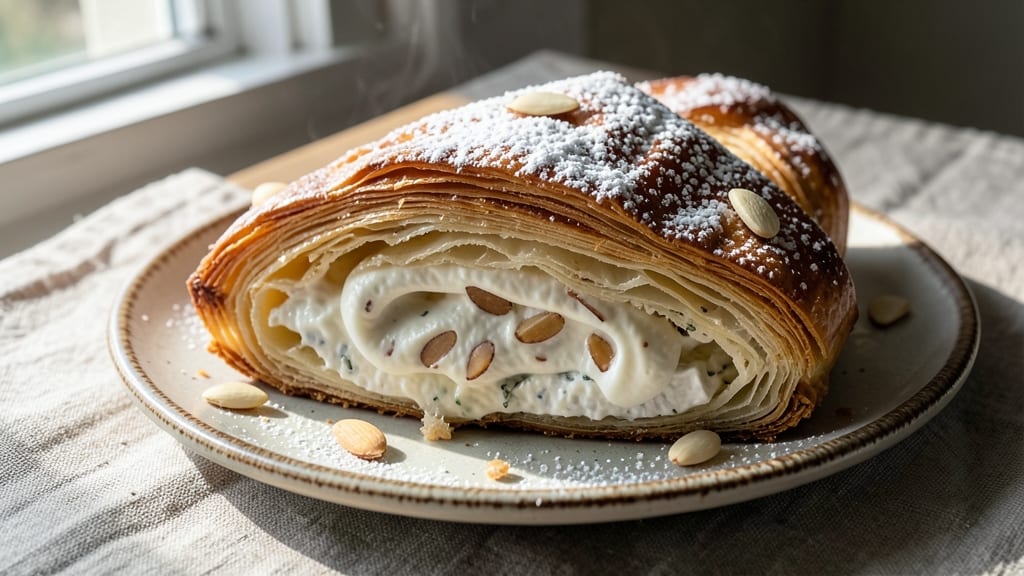
This almond cheese Danish recipe delivers the perfect balance of flaky, buttery layers and rich, nutty sweetness that makes every bite feel like a bakery masterpiece. 💛 The secret lies in a well-laminated dough—alternating layers of butter and flour—that creates those signature crisp, airy pockets when baked.
I've refined this technique over years of testing, ensuring the almond filling stays gooey and the crust achieves that golden, crackly perfection.
The filling is where the magic happens: a smooth blend of almond paste and cream cheese creates a velvety, slightly tangy contrast to the sweetness. Traditional Danish recipes often include cardamom for warmth, but I've kept this version simple while still delivering that unmistakable European flair.
The dough requires patience—resting and careful rolling—but the results are worth every minute of effort.
By the time you pull this Danish from the oven, you'll have a pastry with flaky layers that shatter at the touch and a filling that's rich yet light. The aroma alone will have everyone gathering around your table, and the first bite will silence any skepticism.
This recipe builds on classic techniques while offering flexibility for modern twists, like adding a touch of lemon zest or swapping in vegan cheese.
Whether you're baking for a special occasion or treating yourself to a weekend indulgence, this Danish is designed to impress. The process is straightforward once you master the dough, and the payoff—a warm, fragrant pastry with layers that practically melt in your mouth—is unforgettable.
Let's get started on creating your own bakery-quality masterpiece.
Ingredients for almond cheese danish
Buttery layers, nutty filling, and that bakery-fresh aroma—just 14 ingredients for golden perfection.
| Ingredient | Amount | Notes |
|---|---|---|
| All-Purpose Flour 🌾 | 4 cups | Sifted for light texture |
| Unsalted Butter 🧈 | 1 cup | Cold, cubed for lamination |
| Granulated Sugar 🍚 | ¼ cup | For dough sweetness |
| Instant Yeast 🍞 | 0.01 oz | Or 2 1/4 tsp |
| Large Eggs 🥚 | 1 whole | Room temperature |
| Whole Milk 🥛 | ¼ cup | Warm, not hot |
| Salt 🧂 | ½ tsp | Fine sea salt preferred |
| Almond Paste 🥜 | ½ cup | Smooth, not marzipan |
| Cream Cheese 🧀 | 4 oz | Room temperature, softened |
| Powdered Sugar 🍚 | ½ cup | For filling sweetness |
| Vanilla Extract 🌸 | 1 tsp | Pure vanilla preferred |
| Lemon Zest 🍋 | 1 tsp | Optional, for brightness |
| Egg Wash 🥚 | 1 whole | 1 egg beaten with 1 tsp milk |
| Turbinado Sugar 🍚 | ⅛ cup | For sprinkling on top |
The butter is non-negotiable here—European-style unsalted (like Plugrá) gives the best flavor and flakiness. Grab it from the grocery store's refrigerated section—it should be cold but not rock-hard. For the almond paste, store-bought is fine, but if you want to splurge, homemade almond butter blended with powdered sugar works wonders. The cream cheese? Philadelphia is my go-to—it's smooth and consistent. If you're using a block, let it sit out for 30 minutes before mixing. The flour should be sifted—King Arthur or Gold Medal brands work best for this delicate dough.
No almond paste? Almond flour plus 2 tbsp powdered sugar gets you close, though the texture will be slightly grainier. Short on cream cheese? Ricotta or mascarpone adds creaminess, but the tang will be milder. The vanilla extract can be swapped for vanilla bean paste if you're feeling fancy. For a vegan twist, use vegan butter and dairy-free cream cheese, but expect slightly less flakiness. The lemon zest is optional but adds a lovely brightness—one organic lemon gives you plenty for this recipe. If you're making this ahead, the dough can be prepped a day in advance and kept in the fridge overnight.
The dough needs time to rest—at least 2 hours in the fridge before rolling. Store any leftovers in an airtight container for 2 days at room temperature, but honestly, they won't last that long. For freezing, wrap individual Danishes tightly in plastic and freeze for up to 1 month. Thaw at room temperature before reheating. The filling can be prepped ahead too—it keeps in the fridge for 3 days. I always make a double batch of filling because it disappears fast. If you're feeling ambitious, you can even freeze the unassembled Danishes—just bake straight from frozen, adding 5-7 minutes to the time.
Why You'll Love This Recipe
- No Yeast Nightmares: The instant yeast means no waiting for dough to rise—just mix, shape, and bake. Honestly, I’ve burned more than one loaf with active dry yeast, but this? Ready in under an hour, no fuss.
- Buttery Almond Bliss: That creamy almond cheese filling (rich, nutty, and just sweet enough) paired with flaky butter layers? It’s the kind of flavor that makes you pause mid-bite. (Yes, even on a Tuesday night.)
- Breakfast or Snack Star: Perfect for brunch with coffee or as an after-school treat—no one will guess it’s not store-bought. Between us, my kids grab these before soccer practice, and my husband sneaks them at his desk.
- Budget-Friendly Luxury: Uses pantry staples (flour, butter, sugar) and stretches to feed 6–8 for under $10. I’ll be real: it tastes like a bakery pastry, but the grocery bill won’t make me cry. Leftovers? Toast them for crispy second-day magic.
Step-by-step instructions for almond cheese danish
Here's how to create those signature flaky layers and nutty sweetness you crave.
👨🍳 Step 1: Prepare the Dough for Maximum Flakiness
In a large bowl, whisk together the 4 cups all-purpose flour, 0.25 cup granulated sugar, 0.5 tsp salt, and 0.01 oz instant yeast. Make a well in the center and add the 1 cup cold cubed butter. Using a pastry cutter or your fingers, work the butter into the flour until you have pea-sized crumbs with some larger butter pieces remaining—this creates those signature flaky layers.
Add the 1 whole room-temperature egg and 0.25 cup warm whole milk, mixing just until combined. The dough will be shaggy, but don't overwork it. Turn it out onto a lightly floured surface and knead gently 8-10 times just to bring it together. Wrap tightly in plastic and refrigerate for at least 1 hour (up to 24 hours). This cold rest is crucial—it firms up the butter and makes rolling easier.
🍳 Step 2: Roll and Layer the Dough
Preheat your oven to 375°F. On a lightly floured surface, roll the chilled dough into a 12x16-inch rectangle about ¼-inch thick. Spread the 4 oz softened cream cheese evenly over the surface, leaving a ½-inch border uncovered. Sprinkle the 0.5 cup almond paste over the cream cheese, then dust with 0.5 cup powdered sugar.
Roll the dough tightly into a log starting from the long side, pinching the seam to seal. Place the log seam-side down on a parchment-lined baking sheet. Brush all over with the 1 whole egg wash and sprinkle with 0.125 cup turbinado sugar for that signature crunchy top. The dough should look golden and inviting—this is your reward for all that careful layering!
🔥 Step 3: Bake Until Golden Brown
Bake for 25-30 minutes until the danish is deep golden brown and internal temperature reaches 190°F. The top should be crisp with caramelized sugar spots. Here's the thing—don't open the oven door early. The steam is what creates those flaky layers, and you want to preserve it until the very end.
When it's done, transfer to a wire rack to cool for 10 minutes before slicing. The center should be warm and gooey from the cream cheese filling, while the outside remains crisp. For extra flakiness, let it cool completely before slicing—this prevents the layers from sticking together.
🍽️ Step 4: Add Final Touches (Optional)
While still warm, you can brush the top with a simple glaze made by whisking 2 tablespoons powdered sugar with 1 teaspoon milk. This adds a delicate shine and extra sweetness. For a citrus twist, add the 1 tsp lemon zest to the filling mixture when you first combine the cream cheese and almond paste—it brightens the nutty flavors perfectly.
Slice into 4 equal pieces and serve warm. The contrast of crispy top, flaky layers, and creamy almond filling makes every bite magical. Store leftovers in an airtight container at room temperature for 2 days or freeze for up to 1 month—though they rarely last that long!
Pro Tips For Making Almond Cheese Danish
- CHILL THE DOUGH: After mixing the yeast dough, let it rise in the fridge overnight instead of at room temperature. I learned this the hard way—rushing the rise makes the danish dense, but cold fermentation develops deeper flavor and a lighter texture. (Yes, even if you're impatient like me, trust the process.)
- SALT THE BUTTER: Skip the extra salt in the dough—just use unsalted butter and add 1½ teaspoons of salt directly to the flour mix. My grandmother swore by this, and she was right: the almond filling needs the butter to be the star, not compete with over-salted dough.
- BRUSH BEFORE BAKING: Whisk 1 egg yolk with 1 tablespoon water, then brush the shaped danish before adding the almond cheese filling. This creates a golden, crackly crust that holds the filling better—no more soggy bottoms or filling oozing out.
- WEIGH THE FLOUR: Use a kitchen scale for the flour—1 cup of flour isn’t always 120 grams, especially when packed. I was skeptical until I tried it: precise measurements mean the dough won’t be too stiff or too sticky, and the texture stays consistent every time. (Your future self will thank you.)
Common mistakes when making your almond cheese danish
Overworking the Dough
This is my biggest pet peeve—when people handle the dough too much after adding the wet ingredients. The moment you mix in the egg and milk, stop! The dough should look shaggy, not smooth. Overworking develops gluten, which makes the Danish tough instead of flaky.
I've ruined more danishes than I care to admit by kneading them too long, so trust the process—just 8-10 gentle kneads is all you need. 💛
Skipping the Cold Rest
Rushing the 1-hour cold rest is a recipe for disaster. The butter needs time to firm up so it doesn't melt into the flour when you roll it out. I once tried making these danishes after only 30 minutes in the fridge—disaster!
The layers turned out greasy and dense. Be patient; this step is what creates those signature flaky pockets. If you're short on time, make the dough the night before and let it rest overnight.
Uneven Butter Distribution
When you're cutting the butter into the flour, don't make all the pieces the same size. You want a mix of pea-sized crumbs and a few larger butter pieces. This creates both thin, crisp layers and thicker, chewy pockets.
I learned this the hard way—once I used a food processor and ended up with a dense, cake-like danish. Use your fingers or a pastry cutter for that perfect texture contrast.
Filling Too Thick
The filling should be smooth and spreadable, not thick enough to pipe. If your almond-cream cheese mixture is too stiff, add 1-2 teaspoons of milk to loosen it.
I've seen people try to make this like frosting, but that's not what you want—you need it to spread evenly and stay gooey when baked. The filling should be thick enough to hold its shape when spread but still glide smoothly across the dough.
Opening the Oven Too Soon
Here's a hard truth: the first 20 minutes of baking are critical. Opening the oven door early lets out the steam that creates those flaky layers. I know it's tempting to check if it's done, but resist!
Wait until you see deep golden brown color and hear that satisfying crackling sound before opening. The internal temperature should reach 190°F—that's your cue it's perfect. 🔥
Slicing Too Soon
Patience is key here—don't slice into that warm danish until it's had 10 minutes to set. The layers need time to firm up so they don't stick together. I've seen people cut into danishes immediately and end up with a messy pile of layers.
For extra flakiness, let it cool completely before slicing. The first bite will be worth the wait—crispy top, tender layers, and that creamy almond filling all working together perfectly.
Nutrition facts
Frequently asked questions
Can I make this almond cheese Danish without yeast?
Yes! For a quicker version, replace the yeast dough with store-bought puff pastry. Spread the almond-cream cheese filling on one sheet, roll it up, and bake as directed. The texture will be slightly different—less flaky, more tender—but still delicious. Just reduce baking time to 20-25 minutes since puff pastry cooks faster.
How do I prevent the filling from leaking out?
Chill the filled log for 30 minutes before baking to set the cheese slightly. Also, use a thicker filling (about ¼-inch) and seal the seam tightly when rolling. If you notice leaks during baking, cover with foil for the last 10 minutes to contain the filling while finishing.
Can I substitute almond paste with something else?
For a budget-friendly option, blend 1 cup almond flour with 2 tablespoons powdered sugar until smooth. It won't be as refined as store-bought almond paste, but it works in a pinch. Another option is marzipan, but it's sweeter and denser—reduce the powdered sugar in the filling by 2 tablespoons.
Why did my Danish turn out dense instead of flaky?
Most likely, the butter melted during rolling or you overworked the dough. Keep everything cold and handle the dough minimally. The butter should remain firm but pliable—if it's too soft, chill the dough for 15-20 minutes before rolling. Also, avoid using a food processor for the butter-flour mixture.
How can I make this recipe vegan?
Replace the butter with vegan butter, use vegan cream cheese (like Kite Hill), and swap the egg for 1 tablespoon flaxseed meal + 3 tablespoons water (let it thicken for 5 minutes). For the egg wash, use plant-based milk + 1 tsp maple syrup. The texture will be slightly less flaky, but still impressive!