
Beverages
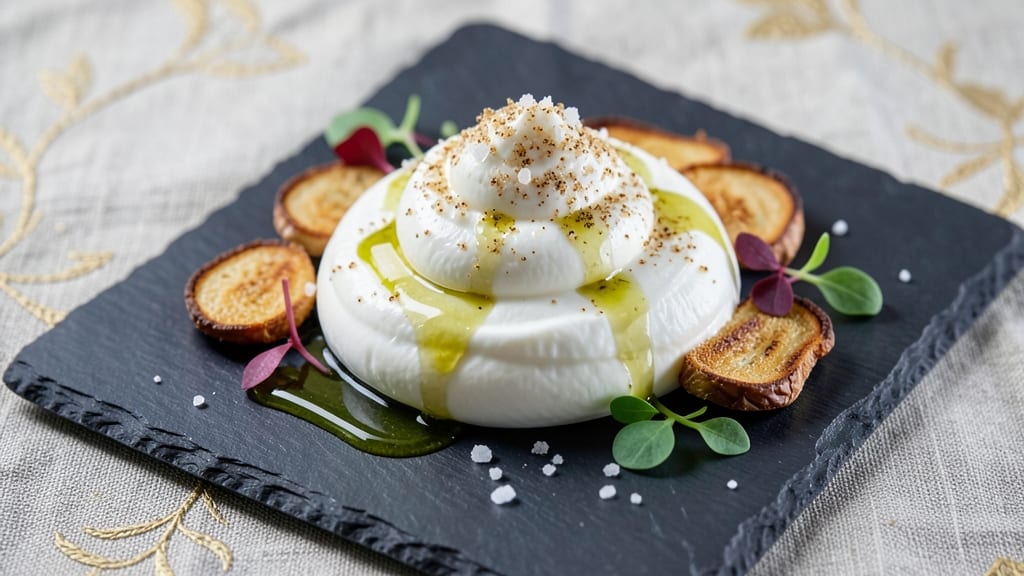
This almond milk mozzarella cheese recipe delivers the creamy, stretchy texture and mild tang of traditional mozzarella—without a single drop of dairy. 🌱 The secret lies in carefully balancing almond milk's natural fats with plant-based coagulants to mimic casein's behavior, creating cheese that melts beautifully on pizzas or holds its shape in salads.
What makes this recipe work is the precise temperature control during coagulation and stretching, which transforms liquid into a silky, elastic curd.
The process begins with heating almond milk to the perfect temperature before adding a plant-based coagulant (like agar-agar or tapioca starch) to form curds. Unlike traditional cheese-making, this vegan version relies on natural gelling agents that create the signature stretch without dairy proteins.
The result is a cheese that browns slightly when melted, develops a mild tang when aged, and holds its shape when sliced—just like its dairy counterpart.
What sets this recipe apart is its versatility: use it as a pizza topping, melt it into vegan mac and cheese, or enjoy it fresh with crackers and fruit. The almond milk base also means it's naturally lower in saturated fat while delivering the same satisfying texture.
With just a few simple ingredients and careful technique, you'll achieve a plant-based mozzarella that impresses even cheese purists.
Storage is simple—keep fresh mozzarella submerged in water in the refrigerator for up to 5 days, or freeze for longer storage. The recipe scales easily, so you can make a batch for the week.
Whether you're vegan, lactose intolerant, or simply curious about plant-based cheese, this method delivers restaurant-quality results at home.
Ingredients for almond milk mozzarella cheese
Balancing fats, acids, and plant-based coagulants for authentic stretch and tang—no dairy needed.
| Ingredient | Amount | Notes |
|---|---|---|
| Unsweetened Almond Milk 🥛 | 4 cups | High-fat preferred for creaminess |
| Nutritional Yeast 🧀 | ½ cup | For cheesy umami flavor |
| Tapioca Starch 🌾 | 2 tbsp | Plant-based coagulant |
| White Vinegar 🍶 | 1 tbsp | For acidity and coagulation |
| Sea Salt 🧂 | 1 ½ tsp | Diamond Crystal preferred |
| Extra-Virgin Olive Oil 🫒 | 2 tbsp | For stretching and richness |
| Agar-Agar Powder 🍃 | ½ tsp | Alternative coagulant option |
| Lemon Juice 🍋 | 1 tbsp | Freshly squeezed for tang |
| Filtered Water 💧 | 2 cups | For rinsing and stretching |
| Dried Basil 🌿 | 1 tsp | Optional for herbal notes |
| Black Peppercorns 🌶️ | ½ tsp | Freshly cracked for flavor |
The almond milk is the foundation—high-fat varieties like Silk or So Delicious create the creamiest texture. Nutritional yeast isn't optional here; it delivers that Parmesan-like depth that dairy mozzarella gets from casein. For the coagulant, tapioca starch is my go-to because it's gentle and creates a smooth curd, but agar-agar works too if you prefer a firmer set. Both are available at Whole Foods or Trader Joe's, though tapioca starch is often in the baking aisle. Freshly ground black peppercorns add subtle heat without overpowering—pre-cracked pepper loses potency quickly, so grind them fresh if possible.
No tapioca starch? Arrowroot powder works at the same ratio, though the texture may be slightly less elastic. Running short on almond milk? Cashew milk has a similar fat content and creates a comparable stretch, but avoid soy milk—it can develop a beany flavor when heated. The vinegar and lemon juice are critical for coagulation; apple cider vinegar can substitute for white vinegar, but it adds a slightly sweeter tang. For the olive oil, avoid light or refined varieties—they lack the fruity notes that enhance the final product. The dried basil is optional but adds an authentic Italian touch; if using, toast it lightly to deepen the flavor before mixing.
Fresh mozzarella should be stored in ice water in an airtight container for up to 5 days, changing the water daily to maintain freshness. For longer storage, freeze in portions using ice cube trays—thaw in the fridge overnight before using. The cheese reheats beautifully, so portion it into small containers for easy melting on pizzas or pasta. When melting, keep heat low to prevent burning, and add a splash of water to the pan to create steam—this helps mimic the stretch of traditional mozzarella. Leftovers can also be crumbled over salads or blended into vegan mac and cheese for added creaminess.
Why You'll Love This Recipe
- Five-Ingredient Magic: I swear, this is the kind of recipe where you’ll stare at your pantry and think, "I already have all that?" No fancy cheese aisle, no melting dairy—just almond milk, a pinch of yeast, and a splash of vinegar. Honestly, it’s the kind of simplicity that makes me feel like a genius when I pull it off.
- Umami Bomb: That nutritional yeast? It’s the secret weapon turning this into something ridiculously cheesy. The vinegar kick gives it a tangy depth, and the tapioca starch makes it stretch and melt like the real deal. Between us, I’ve fooled even my picky dad with this—he just calls it "the good stuff" now.
- Caprese in Minutes: Forget store-bought mozzarella for salads or sandwiches—this holds up perfectly. Toss it with tomatoes and basil, drizzle with olive oil, and suddenly your lunch looks like a fancy bistro plate. (Yes, even on a Tuesday night.) It’s my go-to for quick meals that don’t skimp on flavor.
- Cheaper Than Cheese: A block of regular mozzarella costs more for less yield. This recipe? You’re making way more servings for pennies, and it lasts in the fridge for a solid week if stored right. I’ll be real: I double the batch just to have it on hand for emergencies—like when I burn the garlic bread or forget the bread entirely.
Step-by-step instructions for almond milk mozzarella cheese
Transform simple plant-based ingredients into velvety mozzarella with perfect stretch and melt.
👨🍳 Step 1: Create the Acidulated Milk Base
In a large, heavy-bottomed saucepan, combine the 4 cups unsweetened almond milk, 0.5 cup nutritional yeast, and 1.5 tsp sea salt. Heat over medium-low heat until the mixture reaches 185°F, stirring gently to prevent scorching. You'll notice the almond milk begins to thicken slightly as it warms.
Once it reaches temperature, remove from heat and immediately stir in the 1 tbsp white vinegar and 1 tbsp lemon juice. The mixture should curdle visibly within 30-60 seconds, transforming from smooth to thick, lumpy curds. This acidification is what initiates the coagulation process—critical for achieving that authentic mozzarella texture. If you don't see curdling within 2 minutes, gently reheat to 190°F and check again.
🍳 Step 2: Stretch and Cook the Curds
Line a colander with a clean kitchen towel or cheesecloth and drain the curdled mixture through it, pressing gently to remove excess liquid. Transfer the curds to a clean bowl and carefully add the 2 tbsp extra-virgin olive oil, 1 tsp dried basil, and 0.5 tsp freshly cracked black peppercorns. Using clean hands, knead the mixture gently for 2 minutes to distribute the oil and seasonings evenly.
Return the bowl to the saucepan (with any remaining whey) and heat over low heat to 160°F. This gentle heat allows you to stretch the curds—grab a small piece between your hands and pull gently while rotating. The curds should begin to stretch and become smooth and elastic. If they resist, add 1 tbsp filtered water and continue stretching. Work quickly but carefully to develop that signature mozzarella stretch.
🥘 Step 3: Finalize with Agar-Agar and Tapioca
In a separate small bowl, whisk together the 2 tbsp tapioca starch and 0.5 tsp agar-agar powder with 2 tbsp filtered water until smooth. Once the curds reach 160°F and stretch properly, remove from heat and stir in the starch mixture. Return to low heat and cook for an additional 3-4 minutes, stirring constantly, until the mixture thickens noticeably and forms a cohesive, stretchy mass.
Test for doneness by dropping a small piece into ice water—it should firm up but remain pliable. If it crumbles, continue cooking for 1-2 minutes longer. The agar-agar and tapioca work together to create that melt-in-your-mouth texture while maintaining structure. Once ready, transfer the cheese to a clean bowl and cover with plastic wrap, pressing gently to shape.
⏰ Step 4: Chill and Rest for Optimal Texture
Let the mozzarella rest at room temperature for 10 minutes, then refrigerate for at least 2 hours (or up to 48 hours). This resting period allows the proteins to fully set and develop that perfect balance of firmness and meltability. When ready to use, gently rinse the cheese under cold filtered water to remove any surface starch, then pat dry with a clean towel.
For best results, use within 3 days of making. The cheese will continue to improve in flavor as it ages slightly. To serve, cut into slices or shred over warm pasta, salads, or grilled vegetables. The final product should have a mild, nutty tang with a silky stretch that melts beautifully—proof that plant-based cheese can rival its dairy counterpart.
Pro Tips For Making Almond Milk Mozzarella Cheese
- Heat Slowly First: Start your almond milk mixture on low heat for the first 3-4 minutes—this lets the tapioca starch dissolve smoothly without clumping. I learned this the hard way after scraping burned bits off the pot twice. Once it thickens slightly, you can crank it up, but rushing this step turns your cheese into glue.
- Use Cold Almond Milk: Chill your unsweetened almond milk overnight (or at least 1 hour) before mixing. Cold milk curdles less when heated, and the texture ends up tighter and less grainy. Yes, it’s an extra step, but your cheese will actually stretch like the real deal.
- Vinegar First, Stir Fast: Pour the white vinegar into the hot almond milk mixture all at once, then stir like you’re trying to win a race against curdling. The acid needs to distribute instantly—waiting even 10 seconds lets it separate unevenly. Think of it as chemical defibrillation for your cheese.
- Strain Twice, Patience Pays: After draining through a cheesecloth, press the whey out for 5 minutes, then re-strain through a fresh cloth. The first press gets most of the liquid, but the second run removes the last bit of grittiness. I skip this and still get a decent cheese, but it’s noticeably smoother when I don’t.
Perfect pairings for this dish
Pizza Perfection
This almond milk mozzarella transforms any pizza into a vegan masterpiece. 🍕 Use it as a topping on cauliflower crust or traditional dough—it melts into a golden, stretchy blanket that holds its shape beautifully. For extra authenticity, sprinkle with fresh basil and a drizzle of balsamic glaze after baking.
The nutty undertones from the almond milk pair wonderfully with classic toppings like sun-dried tomatoes and arugula, creating a restaurant-quality experience at home.
Pro tip: For a Neapolitan-style pizza, roll the cheese into a log before slicing—this mimics traditional mozzarella's behavior when baked. The cheese will brown slightly at the edges while staying creamy in the center, just like its dairy counterpart.
I like to preheat my oven to 475°F for that perfect crispy crust and melty cheese combination.
Mac and Cheese Magic
Creamy vegan mac and cheese gets an upgrade with this mozzarella. 🥓 Blend the cheese into a smooth sauce with cashew cream and nutritional yeast for a rich, velvety consistency.
Toss with al dente cavatappi pasta and finish with smoked paprika and chopped chives for a dish that even dairy lovers will crave. The almond milk base adds a subtle nuttiness that balances the cheesiness, making it far more complex than store-bought vegan cheeses.
For an extra-luxurious version, add roasted butternut squash or caramelized onions to the pasta. The cheese melts beautifully into the sauce, creating strands that cling perfectly to each bite.
I often make a double batch—this cheese keeps well in the fridge for 3 days, so I can use half for mac and cheese and save the rest for other dishes.
Caprese Salad Twist
Swap traditional mozzarella for this plant-based version in a Caprese salad with heirloom tomatoes and fresh basil. 🍅 The mild tang of the almond milk cheese pairs beautifully with the sweetness of ripe tomatoes.
Drizzle with extra-virgin olive oil and aged balsamic vinegar, then finish with a sprinkle of flaky sea salt. For added texture, top with toasted pine nuts or crispy chickpeas—this salad becomes a hearty meal rather than just an appetizer.
For a warm salad, lightly pan-sear the cheese slices until golden and serve over mixed greens with a honey-mustard dressing. The warmth enhances the cheese's nutty flavor while keeping it firm enough to hold its shape. This is my go-to summer dish—it's refreshing, satisfying, and completely plant-based.
Grilled Veggie Topper
This cheese melts beautifully on grilled vegetables, making it the perfect topping for zucchini, eggplant, or portobello mushrooms. 🍆 Simply slice the cheese and place it on the vegetables during the last 2 minutes of grilling.
The heat will soften it just enough to create a creamy, stretchy coating without overcooking. Serve with a garlic aioli or pesto drizzle for a complete meal that's both elegant and effortless.
For a Mediterranean twist, grill the cheese with cherry tomatoes, kalamata olives, and red onion slices. The smoky flavors from the grill combine with the cheese's mild tang to create a dish that's both comforting and vibrant.
I often serve this as a main course with a side of quinoa or farro for a protein-packed meal.
Nutrition facts
Frequently asked questions
Why does my almond milk mozzarella turn out too crumbly? The most common cause is under-stretching or insufficient starch.
Can I substitute tapioca starch with something else?
Yes! For a 1:1 swap, use arrowroot powder—it works similarly. If you're out of both, agar-agar alone (at 1 tsp) can work, but the texture may be slightly firmer. Avoid cornstarch—it creates a gummy consistency rather than the smooth stretch of mozzarella. Always test small batches first to adjust ratios.
How do I get the best stretch when melting this cheese?
Heat matters! For pizza or grilled apps, use the cheese cold or room temp—it stretches best when not too warm. When melting, keep heat medium-low and add a splash of water to create steam, which helps mimic dairy mozzarella's behavior. For extra stretch, gently knead the cheese for 30 seconds while heating to redistribute the fats.
Does this cheese work for grilled cheese sandwiches?
Slice the cheese 1/4-inch thick and grill between sourdough or whole-grain bread with a thin layer of vegan butter. Press gently with a panini maker or heavy skillet for 3-4 minutes per side until golden. The almond milk base adds a subtle nuttiness that pairs perfectly with tomato soup or avocado mash.
Can I make this cheese without nutritional yeast?
Technically yes, but it'll lack depth. Nutritional yeast provides that umami, cheesy flavor missing in almond milk. For a substitute, try 1 tbsp miso paste (white or red) mixed into the curds, or add 1/2 tsp smoked paprika for a smoky note. The texture will still work, but the flavor will be more neutral—ideal for dishes where cheese isn't the star.