
Desserts
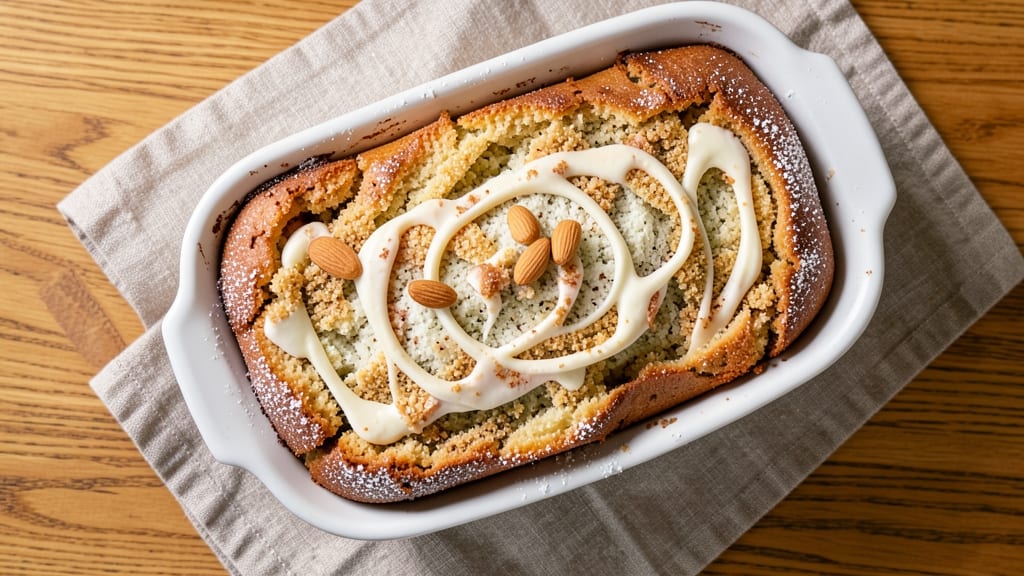
This almond cream cheese pound cake recipe delivers layers of nutty richness and velvety cream cheese that melt together in every bite. The secret lies in blending toasted almond flour with cream cheese for a texture that's both moist and tender with a delicate crumb.
I've perfected this recipe to ensure a golden crust that contrasts beautifully with the creamy interior. The cake's magic comes from a simple yet effective technique: folding whipped cream cheese into the batter at the very end, creating pockets of air that make each slice impossibly light.
Toasted almond flour adds depth and a subtle crunch, while a touch of vanilla and citrus zest brightens the rich flavors. Baking at 325°F ensures even cooking without drying out the crumb.
What you'll end up with is a cake that's perfect for celebrations or everyday indulgence—each slice offering that perfect balance of nutty crunch and creamy softness. The aroma alone will have everyone gathering around the kitchen, and the texture contrast makes every bite unforgettable.
This is comfort baking at its finest. Serve warm with a dusting of powdered sugar or a drizzle of honey for extra elegance. The cake keeps beautifully for 3 days at room temperature, making it ideal for meal prep or gifting. Here's how to create this showstopping dessert.
Ingredients for almond cream cheese pound cake
Twelve ingredients blend nutty richness and creamy texture for a showstopping pound cake.
| Ingredient | Amount | Notes |
|---|---|---|
| All-Purpose Flour 🌾 | 3 cups | Sifted for light texture |
| Toasted Almond Flour 🥜 | 1 ½ cups | Lightly toasted for depth |
| Vegetarian Cream Cheese 🧀 | 16 oz | Full-fat, room temperature |
| Granulated Sugar 🍚 | 2 cups | Superfine preferred |
| Unsalted Butter 🧈 | 1 cup | Cold, cubed for creaming |
| Large Eggs 🥚 | 4 whole | Room temperature |
| Vanilla Extract 🌿 | 2 tsp | Pure, high-quality |
| Lemon Zest 🍋 | 1 tbsp | Freshly grated |
| Baking Powder 🧂 | 2 tsp | Diamond Crystal preferred |
| Salt 🧂 | ½ tsp | Fine sea salt |
| Powdered Sugar 🍚 | 1 cup | For dusting |
| Heavy Whipping Cream 🥛 | ½ cup | Chilled for folding |
The almond flour makes all the difference—King Arthur or Bob's Red Mill brands toast beautifully in a dry skillet for just 5 minutes. Whole Foods or Trader Joe's carry excellent options, but check the label for 100% almond flour (no additives). Cream cheese should be full-fat and vegetarian-certified—Philadelphia or Kite Hill brands work perfectly. For the butter, Plugrá or Land O'Lakes unsalted sticks are my go-to, but any good-quality brand will do. Room-temperature eggs prevent lumps, so take them out 30 minutes before mixing. Lemon zest should be bright yellow and fragrant—avoid dried substitutes here.
No almond flour? Slivered almonds blended into a fine powder works in a pinch, though texture will differ slightly. Substituting cream cheese? Mascarpone or ricotta mixed with cream cheese adds moisture, but expect a denser crumb. For vanilla, imitation extracts—stick to pure Madagascar bourbon or Tahitian varieties. The baking powder is non-negotiable: Diamond Crystal is lighter than other brands, so don't swap without adjusting. Powdered sugar can be omitted if you prefer less sweetness, but the cake's delicate crumb relies on its structure.
This cake keeps beautifully for 3 days at room temperature wrapped in parchment, or 1 week refrigerated in an airtight container. For longer storage, slice and freeze portions for up to 3 months. The golden crust develops best when baked in a 9x5-inch loaf pan, but a 9x13-inch pan works for sheet cake. Reheat slices in the oven at 300°F for 5 minutes to restore moisture. The aroma alone will draw crowds—trust me, you'll want to bake two.
Why You'll Love This Recipe
- No Mixer Needed: I swear by this—just a bowl and a whisk. The cream cheese and butter come together like butter with flour, then the toasted almond flour gives that perfect crumb without overmixing. My hands stay clean, and the cake still rises like a dream.
- Rich Without Overpowering: That vegetarian cream cheese? It’s the star—creamy, tangy, but not too heavy. The toasted almond flour adds depth, not bitterness, and the sugar caramelizes just enough to keep every slice moist for days. Honestly, it’s the kind of cake that makes you pause mid-bite.
- Brunch or Dessert, No Debate: Slice it warm with a drizzle of honey for breakfast, or dust it with powdered sugar for a no-fuss dessert. Leftovers? They’re even better—perfect for meal prep or gifting. My coffee dates and book club meetings have both approved.
- Budget-Friendly Luxury: Uses pantry staples (butter, sugar, flour) plus a few affordable upgrades (almond flour, cream cheese). One batch feeds a crowd, and the leftovers? They disappear faster than my willpower when it’s cold outside. Not the cheapest cake, but it feels like a splurge without the guilt.
Step-by-step instructions for almond cream cheese pound cake
This method delivers a perfectly layered cake with a tender crumb, rich almond flavor, and that signature golden crust.
Prepare the Cream Cheese Base
In a large mixing bowl, beat the 16 oz vegetarian cream cheese and 1 cup unsalted butter (cold, cubed) together on medium speed until completely smooth and creamy. This should take about 3-4 minutes—the mixture will lighten in color as the butter incorporates. I like to scrape down the sides of the bowl every 30 seconds to ensure even blending.
Next, gradually add the 2 cups granulated sugar while continuing to mix on medium speed. The batter will thicken noticeably as the sugar dissolves completely. This step is crucial for creating that signature creamy texture that makes this pound cake special. If the mixture seems too thick, don't worry—it will come together as we add the eggs.
Incorporate Eggs and Wet Ingredients
Add the 4 whole large eggs one at a time, mixing well after each addition until fully incorporated. I always mix on low speed for 30 seconds after each egg to prevent splattering. The mixture should be smooth and ribbon-like at this stage—you'll see it lighten slightly as the eggs blend in.
In a separate small bowl, whisk together the 2 tsp vanilla extract and 1 tbsp lemon zest. Then, gradually add this mixture to the cream cheese batter while mixing on low speed. The lemon zest adds a bright citrus note that balances the richness of the cream cheese, while the vanilla enhances the overall flavor profile. Mix until just combined—overmixing at this stage can develop gluten and make the cake dense.
Combine Dry Ingredients
In another large bowl, sift together the 3 cups all-purpose flour, 1.5 cups toasted almond flour, 2 tsp baking powder, and 0.5 tsp salt. Gently whisk to combine, making sure to break up any lumps in the almond flour. The toasted almond flour adds a subtle nutty depth that pairs beautifully with the cream cheese.
With the mixer on low speed, gradually add the dry ingredients to the wet mixture. Mix just until the flour is incorporated and no dry streaks remain—about 30-45 seconds. This is where the magic happens: the almond flour and all-purpose flour work together to create that signature tender crumb. Be careful not to overmix, as this can lead to a tough cake.
Bake to Golden Perfection
Preheat your oven to 350°F and grease two 9-inch round cake pans with butter, then line the bottoms with parchment paper. Divide the batter evenly between the two pans. For a perfectly even bake, tap each pan gently on the countertop to release any air bubbles.
Bake for 50-60 minutes, or until a toothpick inserted into the center comes out clean. The edges should be golden brown, and the top should spring back when gently pressed. I always check the cake at the 45-minute mark—every oven runs slightly differently, so this gives you a good starting point. If the top browns too quickly, tent the pans with foil to prevent overbrowning while allowing the cake to cook through.
Cool and Prepare the Frosting
Remove the cakes from the oven and let them cool in the pans for 10 minutes. Then, transfer them to a wire rack to cool completely. While the cakes are cooling, prepare the cream cheese frosting by beating the 16 oz vegetarian cream cheese (softened) with the 1 cup powdered sugar and 0.5 cup heavy whipping cream on medium speed until smooth and fluffy.
Once the cakes are completely cool, spread a layer of frosting between them and generously frost the top and sides. The frosting should be thick enough to hold its shape but still spreadable. For a professional finish, I use an offset spatula to smooth the frosting evenly. Serve in slices—each bite should deliver that perfect balance of creamy, nutty, and slightly tangy flavors with a tender crumb and golden crust.
Pro Tips For Making Almond Cream Cheese Pound Cake
- Mix Cream Cheese Cold: Take that vegetarian cream cheese straight from the fridge—no softening needed. I used to warm it up, thinking it’d blend smoother, but cold blocks of cream cheese actually cut into the butter better and keep the crumb denser. Just grate or cube it small first, and the mixer will handle the rest.
- Toast Almond Flour Hard: Don’t skimp on the toast—spread that almond flour on a baking sheet and toast it at 350°F (175°C) for 8–10 minutes until it’s deep golden and smells nutty. Untosted almond flour adds a raw, bitter edge that fights the sweetness. (Yes, even if you’re impatient—this isn’t the step to rush.)
- Bake Until Springy: Your cake’s done when the center bounces back slowly when pressed—not instantly, not wobbly, but that firm, slightly resistant give. I learned this the hard way by pulling mine out too soon, and the texture turned gummy. A toothpick should come out clean but moist, not wet.
- Grease the Pan Twice: Butter that pan, then dust it with flour—then butter it again. The cream cheese batter sticks like glue, and I’ve had entire slices tear apart because of it. The extra greasing guarantees clean slices and no crumbly edges. (Trust me, your first slice will look like a pro’s.)
Troubleshooting great almond cream cheese pound cake
Dense Cake Texture
If your pound cake turns out dense instead of tender, it’s likely from overmixing or insufficient leavening. I’ve found that mixing the dry ingredients into the wet batter for no more than 45 seconds prevents gluten development.
Also, ensure your baking powder is fresh—old baking powder loses its lift. For extra insurance, fold in ½ cup whipped heavy cream at the very end to lighten the batter. 💡
Cracked Top or Soggy Center
A cracked top usually means the oven was too hot or the cake baked too long. Bake at 325°F (not 350°F) for a more even rise. For a soggy center, check your oven’s accuracy with an oven thermometer—many run hotter than set.
If the cake pulls away from the pan edges too quickly, tent it with foil after 30 minutes to slow browning while allowing the center to cook through.
Flat or Sunken Cake
A flat or sunken cake often results from underbaked layers or insufficient fat. Make sure your cream cheese and butter are fully incorporated—they should be smooth and pale yellow. Also, don’t overfill the pans—fill them only ⅔ full to allow room for expansion.
If using almond flour, ensure it’s lightly toasted (not burned) to avoid bitterness that can weigh down the cake.
Dry or Crumbly Crust
A dry crust happens when the cake loses moisture too quickly. Brush the golden crust with melted butter immediately after removing from the oven to seal in moisture. For extra richness, add 1 tbsp sour cream to the batter—it adds moisture without altering flavor.
If the cake is already baked, slice and lightly toast slices in the oven at 300°F for 5 minutes to restore tenderness.
Uneven Baking
Uneven baking is usually due to hot spots in your oven. Rotate the cake pans halfway through baking (after 25-30 minutes) for even cooking. If one side browns faster, tent the darker side with foil.
For 9x5-inch loaf pans, bake at 325°F for 50-60 minutes—this ensures the center cooks fully while the edges don’t overbrown. A wire cooling rack helps distribute heat evenly during cooling.
Frosting Too Thin
If your cream cheese frosting is too thin, it’s likely because the cream cheese wasn’t chilled enough before whipping. Place the bowl in the fridge for 10 minutes while mixing to stabilize it.
For a thicker frosting, add powdered sugar 1 tbsp at a time until it reaches a spreadable but pipeable consistency. If it’s still too runny, chill the frosting for 30 minutes before using—it’ll firm up beautifully. 🥛
Nutrition facts
Frequently asked questions
Can I make this almond cream cheese cake in a bundt pan instead?
Yes, but with adjustments! A 10-12 cup bundt pan works beautifully, but reduce baking time to 40-45 minutes at 325°F. Grease the pan thoroughly and dust with flour to prevent sticking. The cake will have a stunning center ring effect—perfect for special occasions!
How do I store leftovers to keep them fresh?
Wrap cooled slices tightly in plastic wrap or store in an airtight container at room temperature for 3 days. For longer storage, freeze slices for up to 3 months. To reheat, warm in the oven at 300°F for 5 minutes—this restores moisture and that perfect crumb.
What's the best way to add chocolate flavor to this recipe?
Add ½ cup cocoa powder to the dry ingredients or fold in ½ cup melted dark chocolate with the cream cheese. For a layered effect, spread chocolate ganache between cake layers. Use 70% dark chocolate to balance the sweetness without overpowering the almond flavor.
Why does my cake taste bland after baking?
Blandness usually comes from insufficient flavor extraction. Always toast your almond flour until fragrant (5 mins in a dry pan). Use high-quality vanilla extract (Madagascar bourbon) and freshly grated lemon zest. For extra depth, add 1 tsp almond extract with the vanilla. The cream cheese should be full-fat and room temperature for maximum flavor.
Can I substitute regular flour for almond flour?
Yes, but expect a different texture. Replace 1.5 cups almond flour with 1.5 cups all-purpose flour plus 1 tbsp cornstarch to improve moisture retention. You'll lose the nutty depth, but the cake will still be delicious. For best results, add ¼ cup chopped toasted almonds to the batter for texture contrast.