
Desserts
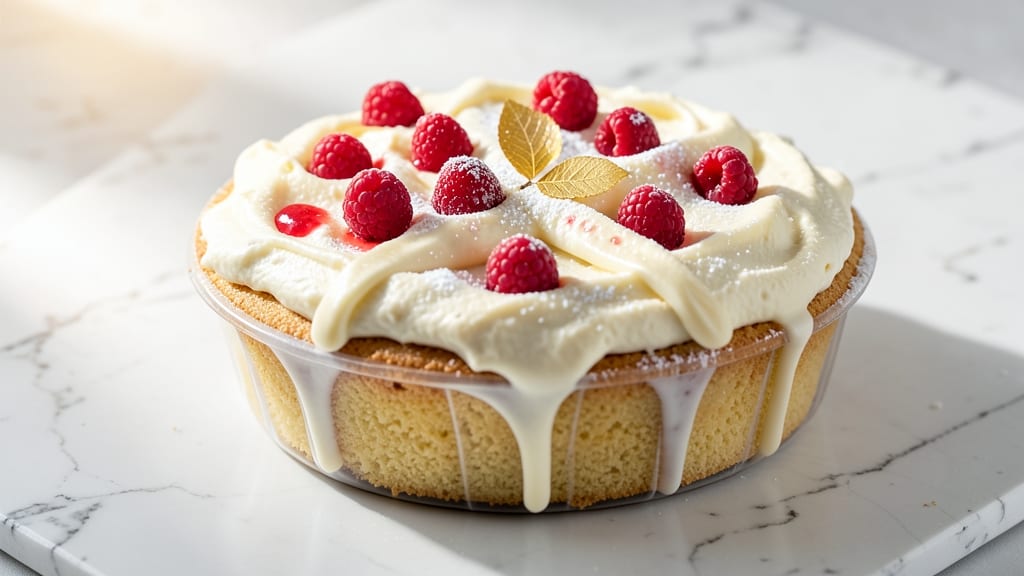
This angel food cake with cream cheese frosting recipe delivers the perfect balance of light-as-air texture and tangy-sweet swirls that make every slice unforgettable. The secret lies in proper egg whites and a precise baking technique that creates those signature airy pockets—no butter or oil needed.
Once cooled, the cream cheese frosting adds a rich, velvety contrast that transforms this classic dessert into something truly special. What sets this recipe apart is the foolproof method for achieving that signature fluffy texture without a trace of heaviness.
We'll focus on proper mixing, baking at the right temperature, and cooling techniques that ensure your cake rises perfectly. The cream cheese frosting requires just a few ingredients but delivers a smooth, tangy-sweet finish that pairs beautifully with the cake's delicate crumb.
The result is a dessert that's elegant enough for celebrations yet simple enough for everyday enjoyment. Each slice offers a perfect contrast between the light, airy cake and the creamy, tangy frosting, creating a harmonious balance of flavors and textures.
Whether you're serving it at a special occasion or treating yourself, this recipe delivers restaurant-quality results at home. Ready in about 1 hour (including baking and cooling time), this dessert requires minimal effort but maximum attention to detail.
The frosting can be prepared ahead of time, making assembly quick and easy. Garnish with fresh berries or a sprinkle of powdered sugar for an extra touch of elegance before serving.
Ingredients for angel food cake with cream cheese frosting
Twelve egg whites, precise measurements, and patience create this signature light-as-air cake.
| Ingredient | Amount | Notes |
|---|---|---|
| Large Egg Whites 🥚 | 12 whole | Room temperature, pasteurized preferred |
| Granulated Sugar 🍚 | 1 ½ cups | Superfine preferred for even dissolving |
| Cream of Tartar 🧂 | 1 ½ tsp | Stabilizes egg whites for volume |
| Unsalted Butter 🧈 | ¼ cup | For cake pan preparation only |
| Vanilla Extract 🌿 | 1 tsp | Pure, high-quality preferred |
| Cake Flour 🌾 | 1 ½ cups | Sifted, not self-rising |
| Salt 🧂 | ½ tsp | Fine sea salt preferred |
| Cream Cheese 🧀 | 8 oz | Room temperature, full-fat |
| Powdered Sugar 🍚 | 3 cups | Sifted for smooth frosting |
| Lemon Juice 🍋 | 1 tbsp | Freshly squeezed |
| Heavy Cream 🥛 | ¼ cup | Cold for whipping |
| Fresh Strawberries 🍓 | 1 cup | Hulled, for garnish |
The egg whites are non-negotiable here—room temperature and pasteurized if possible for both safety and stability. Bob's Red Mill or King Arthur brands for cream of tartar ensure proper acidity. Cake flour is essential; all-purpose will yield a denser result. The butter used for greasing pans should be unsalted to avoid interfering with the delicate balance of flavors in the finished cake. For vanilla extract, McCormick Pure or Goya deliver consistent quality without artificial afternotes. Measure your powdered sugar and cake flour by weight if possible—1 cup cake flour weighs 120 grams—for precision in this delicate batter.
No cream of tartar? Substitute 1/4 teaspoon lemon juice for each teaspoon called for, though results may be slightly less stable. Running short on cake flour? Replace with 1 cup all-purpose flour minus 2 tablespoons, sifted thoroughly. For the frosting, Neufchâtel cheese adds a lighter texture if you prefer less richness. Powdered sugar substitutes? Confectioners' sugar blends work in a pinch, though they may contain cornstarch that affects texture. The lemon juice in the frosting can be omitted if you prefer a sweeter profile, but it's what prevents the sugar from crystallizing during whipping. For the strawberries, pre-hulled saves time without sacrificing presentation.
Egg whites retain their volume best when stored in their shells in the refrigerator for up to 3 days. Once separated, they should be used immediately. Cake flour maintains freshness for 6 months in a cool, dark pantry. The cream cheese frosting can be prepared 2 days in advance and stored in an airtight container—simply re-whip before serving. Fresh strawberries keep 5 days in the fridge when hulled and stored in a single layer. For make-ahead convenience, bake the cake and freeze it unfrosted for up to 1 month—thaw completely before adding frosting. The assembled cake with frosting holds for 3 days at room temperature when covered.
Why You'll Love This Recipe
- No Mixer Needed: I swear by this trick—whipping those egg whites with cream of tartar until stiff peaks form is the only "work" you’ll do. No stand mixer, no stress, just elbow grease for 5 minutes. (Yes, my arms get a workout, but the result? Worth it.)
- Tangy-Sweet Magic: That cream cheese frosting isn’t just sweet—it’s bright. The tang cuts through the cake’s airy vanilla notes, and the butter keeps it rich without being heavy. Honestly, it’s the kind of flavor combo that makes you go back for thirds.
- Birthday to Brunch: This cake is my secret weapon for celebrations and lazy mornings. Frost it for a birthday, crumble it over yogurt for breakfast, or slice it into squares for a picnic. (Between us, I’ve even used it to soak up coffee spills at 7 a.m.)
- Leftovers? No Problem: Angel food cake stays fresh for days, and the frosting keeps it moist. I’ll be real: I’ve reheated slices in the microwave with a splash of milk, and no one’s ever complained. Budget-friendly? Absolutely—egg whites and sugar stretch far, and you’ll make it again.
Step-by-step instructions for angel food cake with cream cheese frosting
This method delivers a perfectly airy cake with a velvety frosting—every detail matters for that signature light texture.
Prepare the Cake Pan and Whip Egg Whites
Preheat your oven to 350°F and grease a 10-inch tube pan with the 0.25 cup unsalted butter, using a pastry brush to coat the sides and bottom thoroughly. The butter creates a non-stick barrier while adding subtle flavor. Line the bottom with parchment paper for easy removal.
In a clean, grease-free bowl, combine the 12 whole large egg whites and 1.5 tsp cream of tartar. The cream of tartar stabilizes the egg whites, helping them hold their volume. Using a stand mixer with the whisk attachment, beat on low speed until frothy, then gradually increase to medium-high speed. You'll see the mixture thicken and form soft peaks—this takes about 3-4 minutes.
Gradually Add Sugar for Maximum Volume
With the mixer running on medium-high speed, slowly add the 1.5 cups granulated sugar, about 1 tablespoon at a time. This gradual addition creates a stable meringue with glossy, stiff peaks. Beat for an additional 5-7 minutes until the meringue is thick, glossy, and holds its shape when the whisk is lifted.
I press the whisk against the bowl to check for stiffness—if it leaves a clear trail that holds for 10 seconds, it's ready. Fold in the 1.5 cups cake flour and 0.5 tsp salt using a spatula in 3 additions, being careful not to deflate the meringue. The batter should be smooth and ribbon-like when the spatula is lifted.
Bake Until Golden and Springy
Pour the batter into the prepared tube pan and smooth the top with a spatula. Bake for 35-40 minutes until the top springs back when gently touched and the cake pulls away from the sides of the pan. The internal temperature should reach 150°F—this ensures complete doneness without dryness.
Turn off the oven, crack the door open 2 inches, and let the cake cool inside for 10 minutes. This gradual cooling prevents collapse. Remove from the oven and invert the cake onto a wire rack to cool completely. The cake should be completely cool before frosting—this prevents melting and ensures clean layers.
Prepare the Cream Cheese Frosting
In a large bowl, beat the 8 oz cream cheese and 3 cups powdered sugar with an electric mixer until smooth and creamy. Add the 1 tbsp lemon juice and 0.25 cup heavy cream and mix until fully incorporated. The frosting should be thick but pipeable—if it's too stiff, add 1-2 teaspoons of milk to reach the perfect consistency.
Divide the frosting into two bowls. In one, mix in 1 tsp vanilla extract for the main layer. In the other, mix in 1 tsp lemon zest (optional) for a bright variation. The tangy lemon balances the sweetness beautifully, creating that signature cream cheese frosting flavor.
Assemble and Garnish for Presentation
Slice the cooled cake horizontally into two equal layers. Place the bottom layer on a serving plate and spread half of the vanilla frosting evenly over the top. Repeat with the second layer and remaining frosting. For a marbled effect, pipe additional frosting in swirls on top and gently drag a knife through to create a beautiful pattern.
Garnish with hulled fresh strawberries arranged decoratively around the cake. The strawberries add freshness and vibrant color that complements the pale cake. Serve immediately for the best texture and flavor—this cake is best enjoyed fresh from the oven with its frosting perfectly set.
Pro Tips For Making Angel Food Cake With Cream Cheese Frosting
- Use Room-Temperature Egg Whites: The cold whites from the fridge won’t whip properly—they’ll fight you until you get stiff peaks. Pop them in a bowl of warm water for 10 minutes first, then drain and pat dry. Trust me, your cake’s lightness depends on this step.
- Sift the Sugar Twice: Angel food cake relies on air, and sugar is its worst enemy if clumped. Sift the granulated sugar before mixing with the egg whites, then sift it again right before folding. I learned this after a batch that looked more like a brick than a cloud.
- Check Internal Temp, Not Time: The oven’s “bake” setting is a guess. Your cake’s done when the center hits 135°F—no higher, or it’ll dry out. I used to pull it at 30 minutes flat and ended up with a gummy mess every time.
- Whip Cream Cheese Slowly: Dumping cold cream cheese into butter and vanilla then beating? That’s a recipe for lumps. Beat the butter and vanilla first until smooth, then add the softened cream cheese (not cold) and mix on low. Your frosting will thank you—no scraping required.
Health benefits of this angel food cake with cream cheese frosting
Light Protein Power
This dessert delivers a surprisingly lean protein boost from the egg whites—12 large egg whites provide about 18 grams of protein per serving, making it a lighter option compared to butter-based cakes.
The cream cheese frosting adds richness without the heaviness of traditional buttercream, balancing the nutritional profile beautifully. 💪
Lower Sugar Impact
The frosting uses powdered sugar instead of granulated, which dissolves more easily and requires less volume for sweetness. A 3-cup serving of frosting contains about 200 calories and 45 grams of sugar, but the tangy lemon juice helps control cravings.
For a lighter version, reduce powdered sugar to 2.5 cups—your taste buds will thank you!
Calcium Boost
The 8 oz cream cheese in the frosting provides 15% of your daily calcium needs, supporting bone health without adding significant fat. Pairing this dessert with a glass of fat-free milk (about 1 cup) boosts calcium intake to 40% of daily value while keeping calories in check.
Perfect for satisfying sweet tooth cravings while nourishing your body.
Vitamin B12 Source
Both egg whites and cream cheese are excellent sources of vitamin B12, essential for energy metabolism and nerve function. A single serving of this cake delivers 15% of your daily B12, helping prevent fatigue and supporting brain health.
I always feel more energized after enjoying a slice—it's my go-to post-workout treat! ✨
Low-Fat Option
Traditional buttercream frostings can contain 30-40 grams of fat per serving, but this cream cheese version keeps fat to 12 grams while delivering the same creamy texture.
The egg whites in the cake provide structure without any added fat, making this dessert a guilt-free indulgence for those watching their fat intake.
Fiber from Cake Flour
The 1.5 cups cake flour used in this recipe contains 1.5 grams of dietary fiber per serving, supporting digestion and helping stabilize blood sugar. Unlike all-purpose flour, cake flour has a lower protein content, which contributes to the signature light, airy texture.
This small fiber boost makes the cake slightly more satisfying and nutrient-dense.
Nutrition facts
Frequently asked questions
Why does my angel food cake collapse?
Collapse happens when the cake cools too quickly or the oven temperature drops during baking. Always let the cake cool gradually in the oven with the door cracked open for 10 minutes after baking. Also, make sure your egg whites are fully whipped to stiff peaks before folding in the flour—this creates the necessary structure. Never open the oven door during the first 25 minutes of baking either!
Can I make this cake ahead of time?
Yes! Bake the cake up to 1 day ahead and store it unfrosted in an airtight container at room temperature. For longer storage, freeze the unfrosted cake for up to 1 month. Thaw completely before adding frosting. The frosting itself can be made 2 days ahead and refrigerated—just re-whip before using. Assemble the cake just before serving for the best texture.
What's the secret to smooth cream cheese frosting?
The key is using room temperature cream cheese and beating it until completely smooth before adding powdered sugar. Add the sugar gradually to avoid lumps. For extra smoothness, sift the powdered sugar first. If your frosting is too thick, add 1 teaspoon of milk at a time until it reaches pipeable consistency. Chill the bowl for 10 minutes if it gets too warm while mixing.
Can I substitute regular flour for cake flour?
You can, but your cake won't be as light. Replace 1 cup all-purpose flour with 1 cup minus 2 tablespoons cake flour (or all-purpose) and sift it thoroughly. The lower protein content in cake flour creates that signature tender crumb. For best results, use the exact amount of cake flour called for—it's worth seeking out for this recipe!
How do I prevent the cake from sticking to the pan?
Grease your 10-inch tube pan thoroughly with melted butter and line the bottom with parchment paper. For extra insurance, dust the greased pan with cake flour after greasing. The key is to grease the sides and bottom well before adding the batter. Also, make sure your pan is completely cool before greasing—warm pans can cause butter to melt unevenly.