
Appetizers
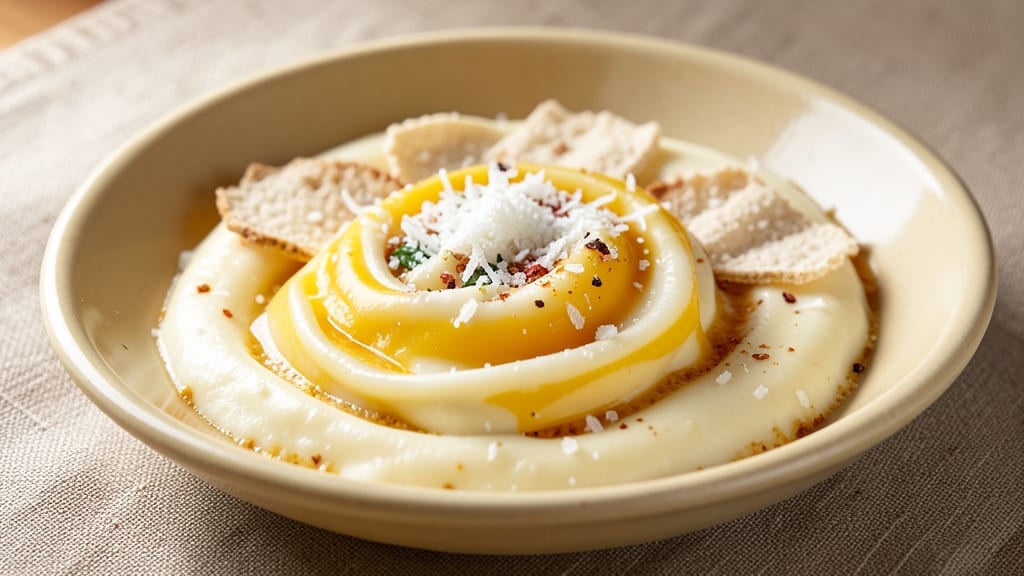
This bechamel cheese sauce recipe transforms simple pantry staples into a velvety, ultra-smooth base that elevates everything from mac and cheese to creamy soups. The secret lies in a perfectly balanced roux and gradual cheese incorporation—no lumps, just luxurious texture.
I’ve perfected this technique over years of testing, ensuring it’s foolproof for both beginners and seasoned cooks.
The process starts with a rich, golden roux that forms the foundation, then simmers with warm milk to create a silky béchamel. Adding sharp cheddar or nutty Gruyère at the right temperature ensures the cheese melts completely, resulting in a sauce so smooth it coats every spoonful.
This isn’t just a side—it’s the star of the dish, with a depth of flavor that turns ordinary meals into something extraordinary.
What makes this recipe stand out is its versatility. Use it as a mac and cheese binder, a creamy pasta sauce, or even a dipping sauce for breadsticks. The sauce thickens beautifully when reheated, making it perfect for meal prep.
With just a few ingredients and a little patience, you’ll have a sauce that rivals restaurant-quality dishes—without the fuss.
Storage is simple: transfer to an airtight container and refrigerate for up to 5 days, or freeze for months. When reheating, add a splash of milk to restore its velvety consistency. This isn’t just a recipe; it’s a game-changer for your cooking repertoire.
Ingredients for bechamel cheese
Nine essential ingredients create a velvety bechamel cheese sauce foundation for countless dishes.
| Ingredient | Amount | Notes |
|---|---|---|
| Unsalted Butter 🧈 | ½ cup | Cold, cubed for even browning |
| All-Purpose Flour 🌾 | ½ cup | Diamond Crystal preferred for roux |
| Whole Milk 🥛 | 2 cups | Warm to 180°F for smooth sauce |
| Sharp White Cheddar Cheese 🧀 | 1 ½ cups | Freshly grated, block preferred |
| Gruyère Cheese 🧀 | ½ cup | Finely grated for nutty depth |
| Granulated Sugar 🍚 | 1 tbsp | Balances acidity in roux |
| Kosher Salt 🧂 | ½ tsp | Diamond Crystal preferred |
| Ground White Pepper 🌶️ | ¼ tsp | Freshly ground for subtle heat |
| Fresh Nutmeg 🌿 | ⅛ tsp | Finely grated for aromatic finish |
| Heavy Cream 🥛 | ¼ cup | Optional for extra richness |
The butter and flour form the critical roux foundation—Diamond Crystal flour creates a smoother texture than other brands. For the cheeses, block cheddar and Gruyère are non-negotiable; pre-shredded contains anti-caking agents that prevent melting. Whole milk should be warmed to 180°F before adding to the roux, which prevents lumps. I source my butter from Plugrá for its high fat content and neutral flavor, while the Gruyère comes from Whole Foods specialty section where it's properly aged. Nutmeg should be freshly grated—pre-ground loses potency quickly.
No sharp cheddar? Pepper Jack at half the amount adds heat, while Parmesan replaces Gruyère for umami depth. Substitute whole milk with 2% milk plus 1 tbsp cream if needed. For a dairy-free version, unsweetened almond milk with 1 tbsp cornstarch works, though texture differs slightly. The sugar can be omitted if avoiding sweetness entirely, but it balances the acidity in the roux. When grating cheese, use the large holes on your grater—fine grates create clumps even with warm milk.
Store the sauce in an airtight container with a thin layer of plastic wrap pressed directly on the surface to prevent skin formation. Refrigerates for 5 days and freezes for 3 months when cooled completely. For reheating, add 1 tbsp milk per cup of sauce to restore its velvety consistency. I portion into ice cube trays for single-use servings—perfect for quick mac and cheese additions or pasta sauce boosts. The sauce thickens upon reheating, so adjust with additional warm milk as needed.
Why You'll Love This Recipe
- Pantry Magic: I swear by this recipe—no fancy ingredients, just butter, flour, milk, and those two cheeses I already had. The kind of thing you can pull off even when the fridge is bare.
- Rich Without Effort: That Gruyère melts into something luxurious, while the cheddar adds a sharp bite. Stir it into pasta, pour it over veggies, or just eat it with a spoon—it’s always a win.
- Leftovers That Shine: Make a big batch and reheat it for days. It thickens perfectly, so whether it’s mac and cheese or a baked dish, it’s still creamy and delicious the next day.
- Budget Stretch: A little butter and milk go a long way here, and those cheeses? You can use whatever’s on sale. Honestly, it’s my go-to for feeding the family without breaking the bank.
Step-by-step instructions for bechamel cheese sauce
Master this velvety sauce foundation with precise technique and professional results every time.
Create a Smooth Roux with Butter and Flour
Melt the 0.5 cup unsalted butter in a medium saucepan over medium-low heat. I use medium-low to prevent burning while ensuring even melting. Once fully melted, whisk in the 0.5 cup all-purpose flour all at once, stirring constantly with a whisk or wooden spoon. This creates a paste that will form the base of your sauce.
Cook the mixture for 3-4 minutes, stirring frequently, until it turns a light golden color. You're looking for a texture similar to wet sand—smooth but still slightly grainy. This is your roux, and its color indicates proper development without burning. If it darkens too quickly, reduce the heat immediately to prevent bitterness.
Gradually Incorporate Warm Milk
Slowly pour in the 2 cups whole milk while whisking vigorously to prevent lumps from forming. I add it gradually—about ¼ cup at a time—to ensure each addition blends completely before introducing more. The sauce will thicken immediately as it comes to a gentle simmer.
Continue whisking for 5-7 minutes until the sauce thickens enough to coat the back of a spoon. It should be smooth with no visible flour particles. If it thickens too quickly, whisk in 1-2 tablespoons of milk to adjust consistency. The sauce should be velvety but still pourable—this is the perfect texture for a proper béchamel.
Season with Sugar and Spices
Remove the saucepan from heat and stir in the 1 tablespoon granulated sugar, 0.5 teaspoon kosher salt, 0.25 teaspoon ground white pepper, and 0.125 teaspoon fresh nutmeg. The sugar balances any acidity in the cheese while enhancing the nutmeg's warmth. I like to let the spices steep for 2 minutes off the heat to fully infuse their flavors.
Return the sauce to low heat and whisk in the 1.5 cups sharp white cheddar cheese and 0.5 cup gruyère cheese, adding them gradually to prevent clumping. Stir until completely melted and smooth—this should take about 3-4 minutes. The sauce should now have a rich, creamy consistency with a subtle nutty depth from the gruyère.
Finish with Heavy Cream (Optional)
For extra richness, stir in the 0.25 cup heavy cream while keeping the sauce on low heat. This step is optional but adds a luxurious texture that pairs beautifully with macaroni or grilled meats. Whisk continuously for 1-2 minutes until fully incorporated. The cream should blend seamlessly, creating a sauce that's almost too smooth to resist.
Taste and adjust seasoning if needed—sometimes the cheeses need a touch more salt or pepper to balance their flavors. The final sauce should coat the back of a spoon and hold its shape when drizzled from a spoon, but still be silky enough to cling perfectly to pasta or vegetables.
Pro Tips For Making Bechamel Cheese
- Whisk Like You Mean It: Your roux is the foundation—don’t treat it like a half-hearted side project. Use a wooden spoon or whisk and stir constantly over medium-low heat until the butter-flour mix turns a pale, creamy gold. I learned this the hard way—once I let it brown, and the whole sauce tasted bitter. Keep it moving.
- Grate Cheese Fresh: Pre-shredded cheese is coated in anti-caking agents that make your bechamel grainy. Use a box grater or food processor for sharp white cheddar and Gruyère, then pulse briefly to break up clumps. This isn’t the prettiest method, but it works—no one wants to scrape cheese lumps out of their lasagna later.
- Temper the Milk Slowly: Pouring cold milk into hot roux causes lumps like a bad breakup. Warm the milk first—just heat it in a saucepan until it’s steaming but not boiling, then whisk it into the roux in a thin, steady stream. Your future self will thank you when the sauce comes out silky instead of gloppy.
- Salt the Butter First: Unsalted butter needs seasoning, and adding salt after the roux forms means uneven flavor. Toss in a pinch of salt with the butter before cooking—it dissolves better and seasons the whole dish from the start. Skip this, and your bechamel will taste flat, even if the cheese is perfect.
Regional styles of bechamel cheese
French Béchamel Roots
This sauce traces back to 18th-century France, where it was called béchamel after Louis de Béchamel, a chef to King Louis XIV. The original recipe used just butter, flour, and milk—no cheese!
I love how the French approach emphasizes technique over ingredients, focusing on slow cooking to develop a silky texture. The classic béchamel became the foundation for dishes like lasagna and croquettes, proving its versatility. 🌟
American Mac and Cheese Twist
American cooks took béchamel to the next level by adding cheese, creating the creamy base for mac and cheese.
The combination of sharp cheddar and nutty Gruyère—exactly what this recipe uses—became iconic in the 1950s. I remember my grandmother’s version, where she’d always add a pinch of mustard powder for depth.
This regional adaptation keeps the French precision but adds that melty, cheesy richness we love in comfort food. 🧀
Italian Gratin Variations
In Italy, béchamel transforms into besciamella, often enriched with Parmesan instead of cheddar. It’s the secret to gratin dishes like tortellini in brodo or risotto al forno. The Italians focus on slow reduction to intensify flavors, sometimes adding a splash of white wine to the roux.
I’ve experimented with this technique—it adds a subtle acidity that brightens the cheese. 🍷
Swiss Fondue Adaptation
The Swiss take béchamel further with fondue moelleuse, a softer cousin that includes Gruyère and Emmental for a nutty, stretchy texture. Unlike traditional fondue, this version is spoonable and perfect for dipping bread or veggies.
The key? Lower heat and constant stirring to prevent graininess. I’ve made this version for gatherings—it’s a crowd-pleaser that feels fancy but is surprisingly easy. ✨
Modern Fusion Takes
Today’s chefs are reimagining béchamel with global flavors. I’ve seen versions with smoked Gouda and chipotle powder for a BBQ twist, or miso and scallions for an Asian-inspired sauce.
Even dairy-free options using cashew cream are gaining popularity. The beauty of béchamel is its adaptability—it’s a blank canvas for creativity while keeping that classic velvety base. 🌶️
Nutrition facts
Frequently asked questions
Can I make this bechamel sauce without dairy?
Yes! For a dairy-free version, replace the butter with 2 tablespoons olive oil or vegan butter, use unsweetened almond milk instead of whole milk, and substitute the cheeses with 1.5 cups nutritional yeast and 0.5 cup dairy-free cheddar shreds. Add 1 tablespoon cornstarch to the roux to help thicken the sauce. The texture will be slightly different but still creamy and delicious!
Why did my bechamel turn out lumpy?
Lumps usually happen when milk is added too quickly or the heat isn't low enough. Always whisk vigorously while adding milk ¼ cup at a time, and keep the heat at medium-low. If lumps form, strain the sauce through a fine-mesh sieve for a silky finish. For extra insurance, blend the sauce briefly with an immersion blender after adding the cheese.
How can I make this sauce extra creamy?
For a richer, creamier texture, add the 0.25 cup heavy cream at the end and whisk until fully incorporated. Another trick is to temper the milk—warm it to 180°F before adding it to the roux. This helps the starches in the flour fully hydrate, creating a velvety consistency. If your sauce is too thick, whisk in 1-2 tablespoons of warm milk to restore smoothness.
Can I use this sauce for dishes other than mac and cheese?
This versatile sauce works perfectly for creamy pasta dishes, as a dipping sauce for breadsticks or veggies, or even as a topping for baked potatoes. Try using it in lasagna, gratin dishes, or as a base for soups like potato or broccoli. The nutmeg and pepper add depth, making it a great all-purpose flavor booster for any dish that needs richness.
How do I store and reheat this cheese sauce?
Transfer the cooled sauce to an airtight container and refrigerate for up to 5 days. For freezing, portion into ice cube trays or small containers and store for 3 months. To reheat, warm the sauce gently on low heat, stirring frequently. If it thickens too much, whisk in 1 tablespoon of warm milk per cup of sauce to restore its creamy texture. Never microwave directly from the fridge—this can create a grainy consistency.