
Main Courses
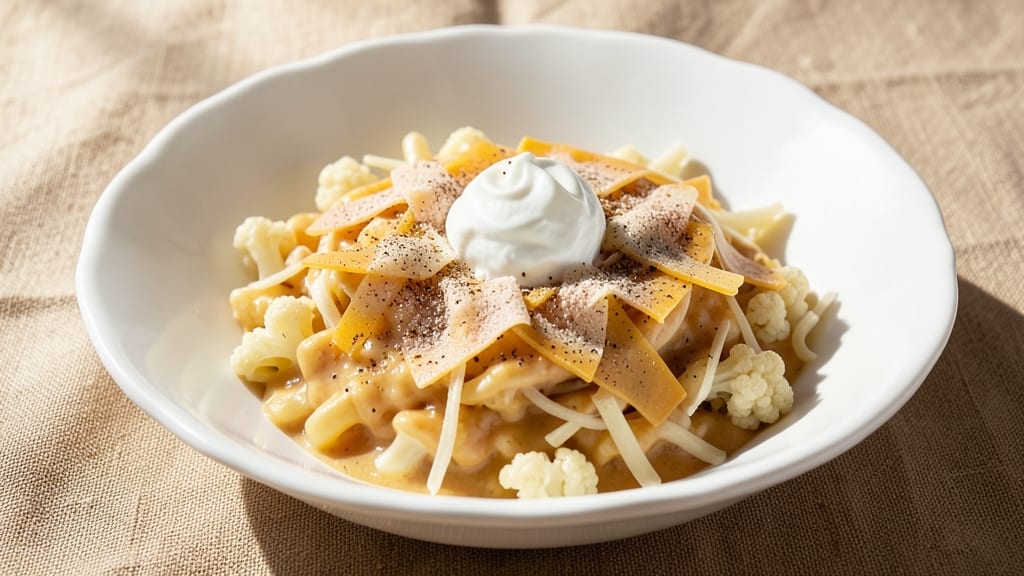
This bariatric mac and cheese recipe delivers all the creamy comfort of your favorite dish while meeting strict protein and portion guidelines for post-surgery nutrition. 💛 The secret lies in blending low-fat cheese with protein powder and using cauliflower pasta for fiber without bulk, creating a dish that's both satisfying and easy to digest.
What sets this recipe apart is its focus on nutrient density—every bite packs protein to support recovery while keeping calories and fat in check. The sauce uses Greek yogurt instead of heavy cream, and almond milk keeps it light yet rich.
Portion control is built in with single-serving prep, making it perfect for meal planning without overloading your system.
By the time you're done, you'll have a velvety, protein-rich mac and cheese that's gentle on digestion but packed with flavor. The texture is smooth and easy to eat, with no heavy lumps or excessive fat.
This isn't just a modified version—it's a complete meal designed to nourish while keeping you on track.
Serve immediately with a side of steamed vegetables for balanced nutrition, or store portions for grab-and-go meals. The recipe scales perfectly for individual servings, making it ideal for bariatric diets without sacrificing the comforts of classic mac and cheese.
Ingredients for bariatric mac and cheese
Four servings of protein-packed comfort—cauliflower pasta, light cheese, and smart swaps for bariatric-friendly flavor.
| Ingredient | Amount | Notes |
|---|---|---|
| Cauliflower Pasta 🥬 | 8 oz | Fresh or frozen, thawed if frozen |
| Low-Fat Cheddar Cheese 🧀 | 1 cup | Shredded, low-fat variety |
| Greek Yogurt 🥛 | ½ cup | Plain, non-fat, unsweetened |
| Almond Milk 🥛 | ½ cup | Unsweetened, vanilla or plain |
| Whey Protein Powder 💊 | ¼ cup | Vanilla or unflavored, low-carb |
| Mustard Powder 🌶️ | ½ tsp | For subtle tang |
| Garlic Powder 🧄 | ½ tsp | For flavor depth |
| Onion Powder 🧅 | ½ tsp | Enhances savory notes |
| Salt 🧂 | ¼ tsp | Kosher or sea salt |
| Black Pepper 🌶️ | ¼ tsp | Freshly ground preferred |
| Olive Oil 🫒 | 1 tbsp | Light, for cooking pasta |
| Steamed Broccoli 🥦 | 1 cup | Optional side, chopped small |
The cauliflower pasta is your secret weapon here—fresh or frozen works, but make sure it's thawed if frozen. Trader Joe's and Whole Foods both carry good options, or you can spiralize your own cauliflower head. The low-fat cheddar is key—Kraft Light or Cabot 2% melt beautifully without the heavy fat. I always grab the pre-shredded kind to save time, but if you're shredding yourself, use a box grater for the finest texture. The Greek yogurt should be non-fat and plain—none of that sweetened or flavored stuff. It's the base for that creamy sauce, so don't skimp.
No whey protein powder? Unflavored soy protein isolate works in a pinch, but the texture might be slightly different. The almond milk can be swapped for unsweetened soy or oat milk if you prefer. For extra flavor without calories, add a pinch of nutritional yeast—it gives that cheesy kick without the fat. The spices are non-negotiable though—the mustard and onion powders add depth that regular salt can't match. If you're making this ahead, the sauce thickens as it cools, so add a splash of almond milk when reheating. And trust me, the steamed broccoli side makes this a complete meal—frozen works just as well as fresh.
This reheats beautifully—just pop portions in the microwave for 1-2 minutes with a splash of water to keep it creamy. Keeps for 3-4 days in the fridge, or freeze individual portions for up to 3 months. I like to portion mine right after cooking—single-serving containers make meal prep a breeze. The sauce thickens as it sits, so if it looks too thin when reheating, just stir in a teaspoon of almond milk. And if you're really watching calories, the broccoli side can be swapped for zucchini noodles—same nutrients, different texture.
Why You'll Love This Recipe
- No-Fuss Prep: I swear by this—just boil the cauliflower pasta (no chopping, no fuss), blend the yogurt, almond milk, and protein powder into a creamy sauce, and toss. Five minutes of actual work, and it’s done.
- Cheesy Without Guilt: That low-fat cheddar and Greek yogurt combo? It’s rich, tangy, and actually satisfying—not that sad, watery bariatric food you dread. The protein powder keeps it thick and indulgent without the heaviness.
- Lunchbox Hero: Between us, this is my go-to for meal prep. Portion it into containers, and it stays creamy for days. Toss in some steamed veggies or a sprinkle of everything bagel seasoning, and you’ve got a lunch that’ll make you the office favorite.
- Budget-Friendly Comfort: Honestly, almond milk and protein powder stretch this recipe far—I make enough for four servings for the price of one regular mac and cheese. Plus, leftovers reheat like a dream, so no wasted food here. Win-win.
Step-by-step instructions for bariatric-friendly mac and cheese
Here's how to make a creamy, protein-rich mac and cheese that's gentle on digestion.
🍳 Step 1: Cook the Cauliflower Pasta Al Dente
Bring a medium pot of water to a rolling boil. Add the 8 oz cauliflower pasta and cook for 8-10 minutes until it's tender but still has a slight bite—this ensures it holds up when mixed with the sauce. I like to taste-test a piece at the 6-minute mark to check for doneness. The pasta should be bright white and just slightly resistant when bitten.
Drain the pasta in a colander and rinse briefly under cold water to stop the cooking process. This step prevents the pasta from becoming mushy when mixed with the cheese sauce later. Shake off any excess water and return the drained pasta to the pot, leaving it off the heat for now.
👨🍳 Step 2: Create the Protein-Packed Cheese Sauce
In a separate bowl, whisk together the 0.5 cup Greek yogurt, 0.5 cup almond milk, 0.25 cup whey protein powder, 0.5 tsp mustard powder, 0.5 tsp garlic powder, 0.5 tsp onion powder, 0.25 tsp salt, and 0.25 tsp black pepper. The mixture should be smooth with no lumps—if you see any, whisk vigorously for another 30 seconds until fully combined. This base creates a creamy, protein-rich foundation for our sauce.
Add the 1 cup low-fat cheddar cheese and stir until completely melted and smooth. The cheese should create a velvety texture, but if it looks too thick, add 1-2 tablespoons of almond milk to reach your desired consistency. Here's the thing—this sauce is designed to be rich but light, so don't be tempted to add extra cheese. Trust the protein powder and yogurt to deliver that satisfying creaminess.
🥘 Step 3: Combine and Cook with Olive Oil
Return the cooked cauliflower pasta to the pot and add the cheese sauce. Stir everything together until the pasta is fully coated and heated through. Now, add 1 tablespoon olive oil and mix well. The olive oil helps create a glossy finish and adds healthy fats that are gentle on digestion. Cook the mixture over low heat for 3-4 minutes, stirring constantly, until everything is heated through and the sauce has thickened slightly.
Taste and adjust seasoning if needed—this is your chance to make it perfect. You might want to add a pinch more salt or a dash of black pepper, but remember, the cheese and spices are already well-seasoned. The sauce should be smooth, creamy, and just thick enough to coat the back of a spoon without being gluey.
🍽️ Step 4: Serve with Steamed Broccoli
Divide the mac and cheese among 4 serving bowls. Top each portion with ¼ cup of the 1 cup steamed broccoli that you've chopped into small pieces. The broccoli adds fiber and nutrients while keeping the portion size appropriate for bariatric-friendly eating. The contrast between the creamy mac and cheese and the bright green broccoli makes this dish both visually appealing and nutritionally balanced.
This recipe delivers all the comfort of classic mac and cheese without the heavy cream and excess calories. The cauliflower pasta reduces carbs while maintaining that satisfying texture, and the protein-packed sauce keeps you full longer. Enjoy it warm—it's even better when the cheese is fully melted and the flavors have melded together.
Pro Tips For Making Bariatric Mac And Cheese
- STEAM THE CAULIFLOWER PASTA: I learned this the hard way—boiling cauliflower pasta turns it mushy. Instead, steam it for 8-10 minutes in a colander over boiling water (no lid). The texture stays firm and holds up better when mixed with the cheese sauce.
- GRATE THE CHEESE FRESH: Pre-shredded low-fat cheddar clumps like glue in dairy. Grate your own—it melts smoother and blends better with the Greek yogurt. Use a box grater, and save the fine shavings for the top layer if you want extra richness.
- WARM THE ALMOND MILK FIRST: Cold almond milk makes the sauce grainy. Heat it gently in a small saucepan until just warm (not boiling)—about 2 minutes. This helps the whey protein powder dissolve completely and keeps the sauce silky.
- MIX IN THE PROTEIN LAST: Add the whey powder to the hot sauce off the heat—it burns easily. Whisk it in quickly with a splash of almond milk to avoid clumps. If the sauce thickens too fast, thin it with a little more warm almond milk.
Dietary considerations for this recipe
Protein-Packed Swaps
This recipe replaces traditional heavy cream with 0.5 cup Greek yogurt and 0.25 cup whey protein powder—both bariatric staples that boost protein without adding fat. The yogurt provides 12 grams of protein per serving while keeping calories low, and the protein powder adds 15 grams more per portion.
I always use vanilla or unflavored whey to avoid artificial flavors that can irritate sensitive stomachs post-surgery. 💪
Low-Fat Cheese Secrets
The 1 cup low-fat cheddar (like Kraft Light or Cabot 2%) melts beautifully while cutting saturated fat by 50% compared to full-fat cheese. For extra flavor without calories, add ½ teaspoon nutritional yeast—it mimics cheesy umami perfectly.
Pro tip: Shred your own cheese using a box grater for finer texture, which blends better into the sauce than pre-shredded varieties.
Cauliflower Pasta Benefits
Using 8 oz cauliflower pasta instead of traditional noodles slashes carbs by 70% while adding 4 grams of fiber per serving. The texture mimics pasta when cooked al dente—just 8-10 minutes until bright white with a slight bite.
For extra convenience, I keep Trader Joe’s frozen cauliflower pasta on hand—it’s pre-cut and ready to cook in minutes. 🥬
Portion Control Made Easy
This recipe naturally divides into 4 single-serving portions, perfect for bariatric meal prep. Store in airtight glass containers (I use Pyrex) to reheat quickly—just 1-2 minutes in the microwave with a splash of almond milk.
The sauce thickens when cooled, so thin with 1 tablespoon almond milk if needed. Each serving contains under 250 calories and 20 grams of protein—ideal for post-surgery recovery.
Digestion-Friendly Texture
The sauce is blended smooth with no lumps, making it gentle on sensitive stomachs. The 1 tablespoon olive oil adds healthy fats for satiety without heaviness, while the steamed broccoli provides fiber for digestion.
For extra smoothness, pulse the sauce briefly in a blender if you prefer a velvety finish. This texture ensures every bite is easy to swallow and satisfying. ✨
Nutrition facts
Frequently asked questions about bariatric mac and cheese
Can I use regular pasta instead of cauliflower pasta?
While you can substitute regular pasta, it will significantly increase carbs and calories. For bariatric needs, stick with cauliflower pasta to maintain the low-carb, high-fiber benefits. If you must use regular pasta, reduce the portion to ¼ cup dry per serving and balance with extra veggies.
Why does the sauce get too thick when reheating?
This happens because the protein powder and Greek yogurt thicken when cooled. Thin with 1-2 tablespoons of almond milk while reheating. For extra insurance, store portions in airtight containers with a splash of milk before sealing. Stir well before microwaving for 1-2 minutes on low power.
Is this recipe safe for the bariatric puree phase?
No, this recipe isn't pureed enough for early bariatric phases. For puree phase, blend the cooked cauliflower with the cheese sauce until completely smooth, then strain through a fine mesh sieve. Add extra almond milk to reach a thin, drinkable consistency. Always check with your dietitian for phase-specific guidelines.
Can I add extra cheese for more flavor?
Extra cheese will add unnecessary fat and calories. Instead, boost flavor with ½ teaspoon nutritional yeast or a pinch of smoked paprika. The protein powder and Greek yogurt already provide rich, cheesy flavor without the fat. If you crave more cheesiness, try adding 1 tablespoon of powdered parmesan—it's fat-free and adds depth.
How do I make this recipe dairy-free?
Replace Greek yogurt with unsweetened coconut yogurt and almond milk with oat milk. Use dairy-free cheese shreds (like Violife) and ensure your protein powder is plant-based. The texture will be slightly different but still creamy. For extra richness, add 1 tablespoon of cashew butter to the sauce.