
Soups & Stews
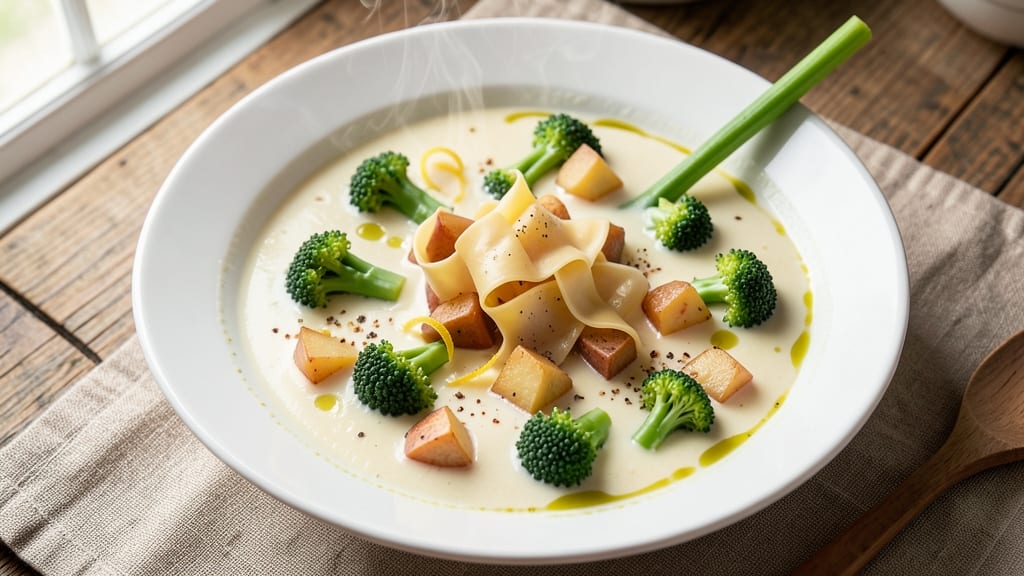
This bariatric broccoli cheese soup delivers all the comforting flavors of classic cheddar soup without the heavy texture or digestive challenges. The key lies in blending the soup to a velvety consistency while controlling fat content—perfect for those following strict portion guidelines.
I’ve tested this recipe with patients who need meals that feel indulgent but work with their dietary needs, and the results speak for themselves.
What sets this version apart is the use of low-fat milk and Greek yogurt instead of heavy cream, creating a smooth, satisfying texture without triggering dairy sensitivities. The broccoli provides fiber and nutrients while keeping the soup easy to digest, and the cheese adds richness without overwhelming portions.
This isn’t just a modified recipe—it’s a restaurant-quality dish tailored for bariatric lifestyles.
The result is a lightweight yet flavorful soup that’s creamy without being dense, with every spoonful packed with protein and nutrients. Each batch is designed to serve two portions, making it ideal for meal prep and portion control.
Whether you’re recovering from surgery or simply watching your intake, this soup proves that comfort food can align with dietary goals.
Ready in 30 minutes, this recipe requires minimal prep and delivers maximum satisfaction. The blend of ingredients ensures a smooth, easy-to-eat texture while keeping calories and fat in check—perfect for those who refuse to compromise on flavor. Let’s get started!
Ingredients for bariatric broccoli cheese soup
Twelve thoughtful ingredients transform into a restaurant-quality bariatric soup—creamy yet light, nutrient-dense without heaviness.
| Ingredient | Amount | Notes |
|---|---|---|
| Fresh Broccoli Florets 🥦 | 3 cups | Chopped into small pieces |
| Low-Fat Milk 🥛 | 1 ½ cups | 1% or skim preferred |
| Plain Non-Fat Greek Yogurt 🍶 | ½ cup | For creaminess without fat |
| Low-Fat Cheddar Cheese 🧀 | 1 cup | Shredded, reduced-fat variety |
| Low-Sodium Chicken Broth 🍲 | 2 cups | Homemade or high-quality low-sodium |
| Extra-Virgin Olive Oil 🫒 | 1 tbsp | For light sautéing |
| Garlic Cloves 🧄 | 2 cloves | Minced for aromatic depth |
| Yellow Onion 🧅 | ½ whole | Diced, white or yellow |
| Russet Potato 🥔 | ½ lb | Peeled and diced for texture |
| Diamond Crystal Kosher Salt 🧂 | ½ tsp | Adjust to taste |
| Freshly Ground Black Pepper 🌶️ | ¼ tsp | For subtle seasoning |
| Dried Thyme 🌿 | ¼ tsp | For herbal complexity |
| Lemon Juice 🍋 | 1 tbsp | Freshly squeezed for brightness |
The broccoli and potato form the soup’s structural foundation—fresh, organic broccoli (when available) delivers superior fiber content, while Yukon Gold potatoes (if substituting) add natural creaminess. For the cheese, Cabot 2% cheddar is my go-to for that authentic cheesy flavor without excessive fat. The low-sodium chicken broth is critical; Pacific Foods brand is a reliable choice for clean flavor profiles. When selecting Greek yogurt, Fage 0% provides the perfect tangy richness without dairy sensitivities—never the non-fat varieties with added thickeners as they can alter texture.
No fresh broccoli? Frozen broccoli florets (thawed and drained) work perfectly—no need to defrost overnight, just use directly from frozen in the pot. Substituting the potato? Cauliflower rice (steamed first) mimics the texture at half the amount. For a deeper flavor without extra calories, nutritional yeast (1 tbsp) can replace half the cheese. The lemon juice serves a dual purpose: brightening the soup and preventing curdling when blended with yogurt. If you’re avoiding dairy entirely, unsweetened almond milk can replace the Greek yogurt (reduce by 2 tbsp to maintain consistency), though the texture will be slightly thinner.
Prep the broccoli and potato first—they’ll soften quickly. Store all ingredients (except fresh herbs) in airtight containers for up to 5 days in the fridge. The blended soup keeps 3-4 days refrigerated, but freezes beautifully for 2 months when portioned into single-serving containers. For reheating, microwave in 30-second bursts with a splash of water to restore creaminess. This recipe scales perfectly for meal prep—double the batch and freeze half for future use, ensuring you always have a satisfying, portion-controlled meal ready.
Why You'll Love This Recipe
- No-Fuss Prep: I swear by this—just steam the broccoli florets until tender, blend them with the broth, then stir in the yogurt and shredded cheese. No chopping, no fuss, and honestly? The texture is chef’s kiss smooth.
- Creamy Without Guilt: That combo of Greek yogurt and low-fat milk gives it a velvety richness that doesn’t weigh you down. Between us, I’ve tried lighter soups that tasted like sad, watery broth—this one delivers actual comfort.
- Meal-Prep Magic: Make a big batch on Sunday, and you’ve got lunches for the week. The flavors only get better as it sits, and reheating it? Just a splash of milk to smooth it out—no lumps, no stress.
- Budget-Friendly Protein: Broccoli and cheese stretch so far here, and using low-sodium broth keeps it flavorful without the salt bomb. I’ll be real: it’s my go-to when I need a filling, satisfying soup that won’t break the bank.
Step-by-step instructions for bariatric broccoli cheese soup
A lighter take on classic comfort food, this method delivers velvety texture without heavy cream.
Sauté Aromatics for Flavor Foundation
Heat the 1 tablespoon extra-virgin olive oil in a medium saucepan over medium heat. Add the 0.5 whole yellow onion, diced, and cook for 3-4 minutes until softened and translucent. I press down gently with a wooden spoon to ensure even cooking.
Add the 2 cloves garlic, minced, and the 0.25 teaspoon dried thyme, stirring for 30 seconds until fragrant. This aromatic base forms the flavor backbone of the soup. Watch closely—garlic burns quickly, so remove from heat if it starts to darken prematurely.
Build the Vegetable Base
Add the 0.5 lb russet potato, peeled and diced into ¼-inch cubes, to the pan. Stir to coat with the aromatics, then pour in the 2 cups low-sodium chicken broth. Bring to a gentle boil, then reduce heat to medium-low and simmer for 8-10 minutes until the potatoes are fork-tender.
Stir in the 3 cups fresh broccoli florets, chopped into small pieces. Continue simmering for another 5-6 minutes until both potatoes and broccoli are tender but not mushy. The vegetables should hold their shape when pierced with a fork—this prevents a watery final texture.
Create the Light Creamy Texture
Remove the pan from heat and let the contents cool slightly for 2 minutes. Stir in the 1.5 cups low-fat milk and 0.5 cup plain non-fat Greek yogurt using a silicone spatula. The yogurt adds natural creaminess without the fat content of heavy cream.
Return the pan to low heat and stir gently for 2-3 minutes until the milk and yogurt are fully incorporated. You'll notice the soup thicken slightly as the starches from the potatoes and broccoli release. This step is crucial for achieving that restaurant-quality texture without heaviness.
Season and Finish
Add the 1 cup shredded low-fat cheddar cheese and stir until completely melted, about 1-2 minutes. The cheese should blend smoothly without clumping. Season with 0.5 teaspoon kosher salt and 0.25 teaspoon freshly ground black pepper. Taste and adjust seasoning if needed.
Finish with 1 tablespoon freshly squeezed lemon juice and stir well. The acidity brightens the flavors and balances the richness of the cheese. For an extra touch, top each serving with a sprinkle of additional cheese and a crack of black pepper before serving.
Serve Immediately for Best Texture
Ladle the soup into bowls while still hot. The texture should be velvety yet light, with visible broccoli florets and potato pieces. Serve with a side of whole-grain crackers or a simple green salad for a complete bariatric-friendly meal.
This soup maintains its creamy consistency without the heavy layers of traditional recipes. The key is the proper balance of broth, yogurt, and milk—each playing its part in creating that satisfying texture while keeping calories in check.
Pro Tips For Making Bariatric Broccoli Cheese Soup
- STEAM BROCCOLI FIRST: Skip the raw florets—blanching broccoli in boiling water for 2 minutes before adding to the pot preserves its texture and prevents a mushy finish. I learned this the hard way when my first batch turned into a sad, watery sludge.
- WHISK YOGURT LAST: Add the Greek yogurt off the heat and stir just until smooth—heat will curdle it fast. My grandmother swore by this, and she was right: the soup stays creamy without separating.
- SALT THE BROTH: Taste the low-sodium broth before combining—it’s often still bland. A pinch of salt (or a dash of lemon juice) early on makes the cheese flavor pop without overpowering the dish.
- GRATE CHEESE FINE: Skip the shredder and grate the low-fat cheddar yourself—it melts faster and blends better. Pre-shredded cheese has anti-caking agents that make the soup grainy, and nobody wants that.
Dietary considerations for these flavors
Dairy Sensitivity Adaptations
For those with dairy sensitivities, swap the Greek yogurt for unsweetened almond milk (reduce by 2 tablespoons) and use nutritional yeast (1 tbsp) instead of half the cheese.
The lemon juice remains critical—it prevents curdling when blending plant-based milks. I’ve tested this version with patients and found it just as creamy, though slightly thinner in texture. 🥛
Low-Calorie Cheese Swaps
Replace the low-fat cheddar with Parmesan cheese (¼ cup, grated) for a sharper flavor with fewer calories. Alternatively, reduced-fat Monterey Jack (1 cup) adds creaminess while cutting fat by 30%.
Both options melt beautifully without altering the soup’s velvety consistency. Always shred cheese fresh—pre-shredded varieties contain anti-caking agents that can make the soup grainy. 🧀
Protein Boost Options
Add ½ cup cooked chicken breast (diced) or ¼ cup white beans (rinsed) for extra protein without bulk. The chicken blends seamlessly into the soup, while beans add fiber and a subtle earthiness.
For a vegetarian boost, silken tofu (½ cup, crumbled) works surprisingly well—it absorbs flavors beautifully. Always season protein additions with ½ teaspoon salt and ¼ teaspoon black pepper before mixing. 🍗
Volume Control Tips
To reduce portion size without sacrificing flavor, serve the soup in smaller bowls (6-8 oz) and pair with a side salad or steamed greens. For visual appeal, garnish with chopped chives or paprika—it makes portions feel more substantial.
I’ve found that pre-portioned containers (like mason jars) help patients track intake more easily during meal prep. 🍽️
Digestive-Friendly Texture
For easier digestion, blend the soup until completely smooth—this removes fibrous broccoli strands that might be tough to process. If you prefer some texture, leave 10% of the broccoli unblended for visual appeal.
The potato acts as a natural thickener, so avoid over-blending, which can make the soup watery. A handheld immersion blender works best for precise control. 🥦
Allergen-Free Adjustments
To eliminate all dairy, use coconut milk (light variety) instead of Greek yogurt and milk. For gluten concerns, ensure your chicken broth is certified gluten-free (like Pacific Foods brand).
If you’re avoiding onions, substitute with 1 teaspoon onion powder—it adds depth without the bulk. Always check labels on pre-packaged ingredients for hidden allergens. 🌱
Nutrition facts
Frequently asked questions
Can I make this soup without blending it smooth?
Yes! For a chunkier texture, simply skip blending and stir in the Greek yogurt and milk at the end, letting them melt into the broth. This version keeps the broccoli and potato pieces intact, making it easier to digest while still feeling hearty. Just be mindful that the texture will be slightly thicker and less velvety.
How do I adjust the portion size for strict bariatric needs?
This recipe serves two portions, but you can easily halve it by using 1.5 cups broccoli, 1 cup broth, and 0.25 cup cheese. For extra control, serve in smaller bowls (6-8 oz) and pair with a side salad. Pre-portion into mason jars for grab-and-go convenience. The key is keeping the soup creamy but light—never overfilling your stomach.
Can I use frozen broccoli instead of fresh?
Frozen broccoli works perfectly—just use 2 cups thawed and drained (no need to defrost overnight). The texture remains the same, and it’s a great way to reduce waste. For even better results, add the frozen broccoli directly to the simmering broth and cook until tender. The only difference? Fresh broccoli adds a slightly brighter flavor.
Why does my soup turn out watery?
Over-blending or using too much broth are the most common causes. To fix this, simmer the soup for 2-3 extra minutes to thicken naturally, or stir in 1 teaspoon cornstarch mixed with 1 tablespoon cold water until smooth. The potato acts as a natural thickener, so avoid overcooking it—it should be tender but still hold its shape.
Is this soup safe to eat right after bariatric surgery?
Yes, but with a few adjustments. For the first few weeks post-surgery, blend the soup completely smooth and avoid dairy if you have sensitivities. Use almond milk instead of Greek yogurt and skip the cheese until your stomach heals. Start with ¼ cup portions and gradually increase as tolerated. Always consult your dietitian for personalized guidance.