
Appetizers
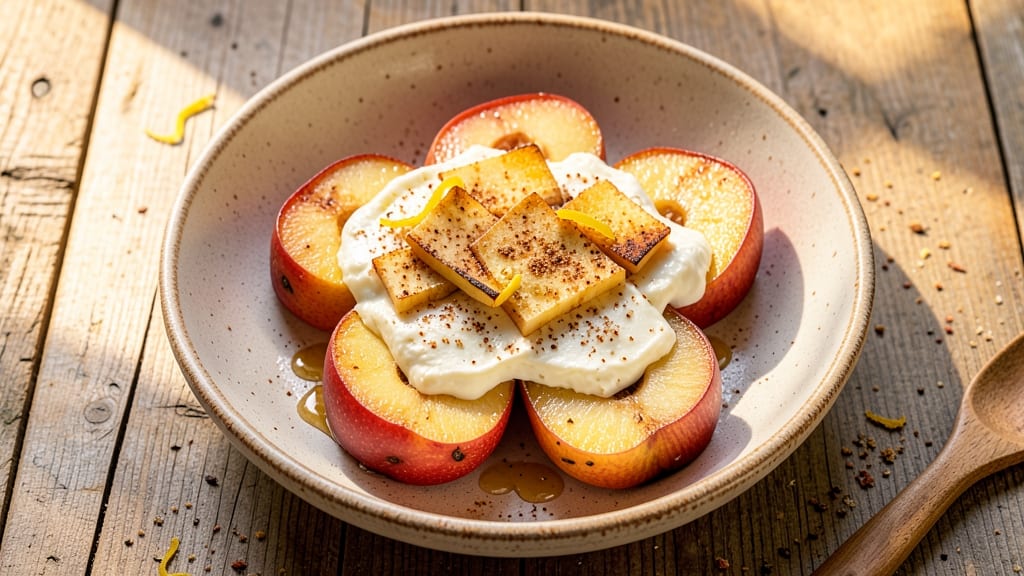
This baked pears with cheese recipe transforms simple fruit into an elegant, sweet-savory masterpiece that requires just 20 minutes of prep and 25 minutes in the oven.
The secret lies in pairing tender, caramelized pears with sharp cheeses like brie or gouda, creating a balance of textures and flavors that feels both comforting and sophisticated.
I developed this dish after searching for a dessert that could double as an impressive appetizer—something that delivers restaurant-quality results without requiring advanced techniques.
The process is straightforward yet transformative: halved pears are baked until tender and caramelized, then topped with cheese that melts into a gooey, golden blanket. A sprinkle of brown sugar enhances the natural sweetness of the pears, while a drizzle of honey or a dusting of cinnamon adds depth.
The contrast between the soft, jammy fruit and the creamy, slightly salty cheese creates a harmony that’s impossible to resist. This dish is perfect for holiday gatherings, dinner parties, or even a cozy weeknight treat.
What makes this recipe truly special is its versatility. Serve it as a standalone dessert with a side of crusty bread to soak up the juices, or pair it with a glass of sparkling wine for an elegant appetizer.
The combination of warm, caramelized pears and melted cheese is both indulgent and balanced, making it a crowd-pleaser for any occasion. The aroma alone—sweet, buttery, and slightly nutty—will have everyone gathering around the table.
For an extra touch of sophistication, consider adding a sprinkle of toasted nuts or a drizzle of balsamic glaze before serving. The key to success is patience: letting the pears soften fully and the cheese melt just enough to create that perfect, gooey texture.
This recipe is a testament to how simple ingredients—when prepared with care—can become something extraordinary.
Ingredients for baked pears with cheese
Twelve ingredients transform humble pears into a sophisticated dessert or appetizer—elegant yet effortless.
| Ingredient | Amount | Notes |
|---|---|---|
| Firm Ripe Pears 🍐 | 4 whole | Bosc or Anjou varieties preferred |
| Brie Cheese 🧀 | 8 oz | Rind removed, soft-ripened variety |
| Gouda Cheese 🧀 | 4 oz | Smoked or aged for depth |
| Unsalted Butter 🧈 | ½ cup | Cold, cubed for even melting |
| Light Brown Sugar 🍚 | ¼ cup | Packed, for caramelization |
| Honey 🍯 | 2 tbsp | Wildflower for floral notes |
| Ground Cinnamon 🌿 | 1 tsp | Freshly ground preferred |
| Toasted Walnuts 🥜 | ¼ cup | Chopped, for crunch contrast |
| Balsamic Glaze 🍷 | 2 tbsp | Reduction for tangy finish |
| Diamond Crystal Kosher Salt 🧂 | ½ tsp | Fine grain for delicate seasoning |
| Fresh Thyme Leaves 🌿 | ¼ tsp | Finely chopped, aromatic |
| Extra-Virgin Olive Oil 🫒 | 1 tbsp | For drizzling post-bake |
The pears are the foundation, and Bosc or Anjou varieties hold their shape beautifully while caramelizing. Look for pears with a slight give when gently squeezed—they should be firm but not rock-hard. Whole Foods Market and Trader Joe's often carry pre-ripened pears in their produce section, which is ideal for this recipe. For the cheeses, Brie from France and aged Gouda from the Netherlands deliver the most authentic flavors, but domestic brands like President Brie or Beemster Gouda are excellent alternatives. The butter should be cold and cubed—this ensures even melting without creating a greasy mess. Brown sugar adds depth, so don't substitute white; the molasses content is key for that rich caramelization.
No brie? Camembert or triple cream goat cheese works beautifully—just adjust baking time slightly since they melt faster. Gouda too expensive? Sharp cheddar at double the amount provides a similar sharpness, though the texture will differ. Short on honey? Maple syrup or agave nectar are perfect substitutes, though honey's floral notes are unmatched. The walnuts can be swapped for pecans or almonds, but toast them first—they make all the difference. For a quick balsamic glaze, simmer 1 cup balsamic vinegar until reduced by half. If you're short on time, store-bought reduction works, but homemade is far superior. The thyme is optional but adds an aromatic lift that pairs perfectly with the pears.
Pears and cheese can be prepped hours ahead and baked just before serving—ideal for entertaining. Store any leftovers in an airtight container for up to 3 days in the fridge, though they're best enjoyed fresh. The baked pears reheat beautifully in a 350°F oven for 10 minutes if you prefer them warm. For a make-ahead dessert, assemble the pears with cheese and sugar, then refrigerate overnight. Bake straight from the fridge, adding 5 extra minutes to the baking time. The contrast of warm, caramelized fruit with cool, creamy cheese is what makes this dish truly special.
Why You'll Love This Recipe
- One-Pan Magic: I swear by this when I need something hands-off. Halve those pears, dot with butter, and nestle in the cheeses—then bake. No flipping, no fuss, just 20 minutes of oven time while I sip wine (or coffee, no judgment).
- Sweet-Savory Balance: That caramelized brown sugar crust? Chef’s kiss. But the real star is the creamy brie melting into the pear’s tender flesh while the gouda adds a sharp, nutty crunch—like dessert and dinner had a beautiful, grown-up affair.
- Weeknight to Weekend: I make this for lazy Mondays (yes, really) and it’s also my go-to for dinner parties. Serve it warm with crusty bread for a no-fuss crowd-pleaser, or let it cool slightly for a picnic-friendly dish that feels fancy without the effort.
- Leftovers That Don’t Suck: Honestly, I almost always bake extra. The pears hold up beautifully in the fridge—reheat them briefly, and they’re just as good the next day. (Pro tip: Sprinkle a little extra brown sugar on reheated slices for that fresh-out-of-the-oven magic.)
Step-by-step instructions for baked pears with cheese
Here's the method to create perfectly caramelized pears with a creamy cheese center and nutty crunch.
Prepare the Pears for Baking
Preheat your oven to 375°F. Using a sharp paring knife, carefully halve the 4 whole firm ripe pears lengthwise from stem to base, removing the core and seeds. Leave the skin intact—it holds the fruit together during baking and adds texture.
Place each pear half cut-side down in a baking dish large enough to hold them in a single layer. The natural juices will release as they bake, so choose a dish with sides to contain the liquid. Arrange them evenly, leaving about ½ inch between each pear to allow for expansion.
Create the Cheese and Nut Filling
In a small mixing bowl, combine the 8 oz brie cheese and 4 oz gouda cheese, cutting each into ½-inch cubes for even melting. Add the 0.5 cup unsalted butter, 0.25 cup light brown sugar, 2 tbsp honey, 1 tsp ground cinnamon, 0.5 tsp kosher salt, and 0.25 tsp fresh thyme leaves. Mix gently with a fork until just combined—you want the ingredients to cling together without breaking the cheese.
Fold in the 0.25 cup toasted walnuts, distributing them evenly throughout the mixture. This combination creates a rich, aromatic filling that contrasts beautifully with the pears' natural sweetness. The walnuts add essential crunch that cuts through the creamy cheese.
Assemble and Bake the Pears
Spoon the cheese mixture into the centers of the pear halves, pressing down gently to create a compact filling. This ensures the cheese melts evenly and creates a substantial centerpiece when sliced. The pears should be filled but not overflowing—any excess can be reserved for garnish.
Drizzle the 2 tbsp balsamic glaze evenly over the tops of the filled pears. This adds a tangy contrast to the sweetness and creates a beautiful caramelized crust during baking. Transfer the baking dish to the preheated oven and bake for 25-30 minutes, until the pears are tender when pierced with a paring knife and the cheese is fully melted and golden.
Finish with Olive Oil and Serve
Remove the pears from the oven and let them rest for 5 minutes to allow the juices to redistribute. This resting period also helps the cheese set slightly, making it easier to slice. While they rest, drizzle the tops with the 1 tbsp extra-virgin olive oil, allowing it to pool slightly in the centers.
Serve immediately, either whole or sliced in half to reveal the creamy cheese center. The pears should be tender with slightly caramelized edges, while the cheese maintains its creamy texture with pockets of melted butter. Each bite delivers a perfect balance of sweet, tangy, creamy, and nutty flavors that complement each other beautifully.
Pro Tips For Making Baked Pears With Cheese
- CUT PEARS DEEPLY: Don’t just slice the tops off—use a sharp paring knife to make a 1-inch-deep vertical cut down each pear’s center. This lets the cheese and caramelized sugar sink in faster, giving you that gooey, melty center instead of a dry top layer. (Yes, it looks like you’re committing culinary vandalism, but trust me.)
- USE COLD CHEESE: Take the Brie and Gouda straight from the fridge and cut them into chunks—no thawing, no warming. The cold cheese melts slower and more evenly when baked, so you get that perfect creamy pull without it turning into a sad, greasy puddle. (I learned this after watching my first batch turn into a cheese volcano.)
- BROWN THE SUGAR FIRST: Spread that light brown sugar on a dry baking sheet and toast it in the oven for 3-4 minutes at 375°F before sprinkling it over the pears. The deeper caramelization adds a nutty, almost butterscotch-like depth that cuts through the richness of the cheese. (Sounds weird, but it works—your dessert table will thank you.)
- COVER WITH FOIL LATE: Let the pears bake uncovered for the first 15 minutes so the sugar can really start caramelizing and the cheese begins to soften. Then, tent with foil for the last 10-15 minutes—this keeps the pears from turning to mush while letting the cheese finish melting properly. (I used to foil them too early, and the tops always came out bland.)
Troubleshooting this dish
Underripe Pears
If your pears aren't soft enough after baking, they likely weren't ripe enough to start. Look for pears that yield slightly when gently squeezed—they should feel firm but not hard.
For underripe pears, increase baking time by 5-10 minutes and tent loosely with aluminum foil during the final 10 minutes to trap steam. This helps tenderize the fruit without drying it out. 🍐
Cheese Not Melted
Cold cheese takes longer to melt, so ensure your brie and gouda are at room temperature before mixing. If the cheese remains firm after baking, try increasing the oven temperature to 400°F for the final 5 minutes of baking.
For extra insurance, place the baking dish on a preheated baking sheet to distribute heat more evenly. 🧀
Pears Too Dry
Overbaking is the most common cause of dry pears. Keep a close eye on them after 20 minutes—they're done when a paring knife slides in easily. If you notice they're drying out, cover them with foil for the remaining baking time.
For extra moisture, brush the pears with a thin layer of extra-virgin olive oil before baking.
Uneven Caramelization
For even browning, arrange pears in a single layer with space between them. If some areas remain pale, rotate the baking dish halfway through cooking. For deeper caramelization, sprinkle an additional ½ tsp brown sugar over the pears before the final 10 minutes of baking.
A quick broil for 1-2 minutes at the end can also enhance browning.
Cheese Overflows
If your cheese mixture is too loose, it may spill over during baking. To prevent this, press the cheese mixture firmly into the pear centers, creating a compact filling.
For extra stability, chill the assembled pears in the fridge for 30 minutes before baking. This helps the cheese hold its shape until it melts in the oven. 💡
Balsamic Glaze Too Thin
If your balsamic glaze is too runny, it may pool at the bottom of the dish. For a thicker, more concentrated glaze, reduce ½ cup balsamic vinegar to 2 tbsp in a small saucepan over medium heat until syrupy.
Let it cool before drizzling over the pears. A thicker glaze will cling better and create a more elegant finish. 🍷
Nutrition facts
Frequently asked questions
Can I use other fruits instead of pears?
While pears work best for their natural sweetness and texture, you can experiment with apples (like Honeycrisp) or peaches for a similar effect. Just reduce baking time by 5 minutes since stone fruits soften faster. Avoid overly watery fruits like plums—they'll make the cheese mixture too runny.
What's the best cheese substitute if I don't have brie or gouda?
For a similar flavor profile, try camembert (creamy) or sharp cheddar (double the amount). Goat cheese works too—just reduce to 6 oz since it's more liquid. The key is choosing a cheese that melts smoothly without becoming stringy.
How can I make this dish ahead of time?
Assemble the pears with cheese filling up to 12 hours ahead and refrigerate uncovered. Bake straight from the fridge, adding 5 extra minutes to the 375°F time. For best texture, serve immediately after baking—though leftovers reheat beautifully in a 300°F oven for 10 minutes.
Why is my cheese turning rubbery instead of creamy?
This usually happens when cheese is overcooked or not at room temperature. Always bring cheese to room temp before mixing, and never exceed 400°F for more than 5 minutes. For extra insurance, use a mix of 50% brie and 50% cream cheese—it melts more reliably.
Can I make this as a savory appetizer instead of dessert?
Skip the honey and brown sugar, and add 1 tsp Dijon mustard to the cheese mixture. Garnish with fresh thyme and serve with crusty bread or prosciutto. The pears' natural sweetness balances beautifully against salty meats and sharp cheeses.