
Breakfast & Brunch
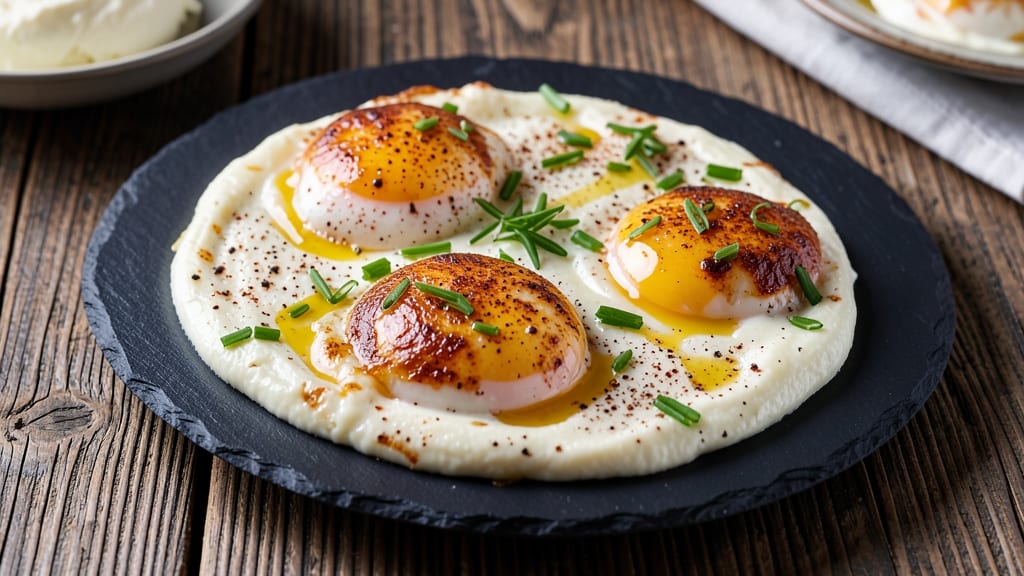
Gordon Ramsay’s crispy-topped baked cottage cheese and eggs transforms a simple breakfast into a restaurant-worthy dish with minimal effort. The secret lies in baking the cottage cheese until golden and creamy, then crowning it with perfectly poached eggs for that signature texture contrast.
This protein-packed meal delivers satisfaction without sacrificing elegance—ideal for brunch or a weekend treat.
What sets this recipe apart is the balance of textures: tender, custard-like cottage cheese with a crispy golden crust, paired with runny yolks that cut through the tang. The method is straightforward—no fancy techniques, just precise timing and a hot oven to create that coveted top.
Savory elements like black pepper, chives, and a touch of smoked paprika elevate the flavors beyond basic cottage cheese.
The result is a dish that feels indulgent yet remains light enough for breakfast or brunch. Each bite delivers creamy cottage cheese with a satisfying crunch, while the eggs add richness and depth.
Serve with a side of buttered toast or fresh greens to round out the meal. This recipe proves that even simple ingredients can shine with the right technique.
Perfect for meal prep or a spontaneous weekend breakfast, this dish delivers restaurant-quality results at home. The key is patience—letting the cottage cheese bake until golden ensures that crispy texture you crave. Once mastered, it becomes a go-to for quick yet impressive breakfasts that impress without the fuss.
Ingredients for baked cottage cheese eggs gordon ramsay
Simple ingredients, restaurant-quality results—this crispy-topped breakfast delivers golden perfection every time.
| Ingredient | Amount | Notes |
|---|---|---|
| Large Eggs 🥚 | 4 whole | Room temperature for even cooking |
| Full-Fat Cottage Cheese 🧀 | 1 ½ cups | 2% or higher for creaminess |
| Black Pepper 🌶️ | ½ tsp | Freshly cracked for bold flavor |
| Smoked Paprika 🌶️ | ¼ tsp | For subtle smoky depth |
| Fresh Chives 🌿 | 2 tbsp | Finely chopped for garnish |
| Unsalted Butter 🧈 | 2 tbsp | Melted for brushing |
| Salt 🧂 | ½ tsp | Kosher or sea salt |
| White Vinegar 🍶 | 1 tbsp | For poaching eggs |
| Water 💧 | 4 cups | For poaching liquid |
| All-Purpose Flour 🌾 | 1 tbsp | For dusting baking dish |
| Heavy Cream 🥛 | ¼ cup | Optional for extra richness |
The cottage cheese is non-negotiable here—full-fat (2% or higher) is essential for that creamy yet crispy texture. Trader Joe's or Whole Foods carry excellent brands like Organic Valley or Tillamook, but any high-quality cottage cheese works. Look for blocks instead of tubs—they hold shape better when baking. The smoked paprika adds that subtle depth Ramsay loves, and Penzeys Spices sells it in small jars if you're not using it often. Fresh chives are ideal, but dried works in a pinch at one-third the amount.
No heavy cream? Greek yogurt thinned with milk works beautifully. The eggs should be room temperature—cold eggs won’t poach properly. For the poaching liquid, white vinegar is key, but lemon juice works too. If you’re prepping ahead, poach the eggs first and keep them warm in a water bath until baking. The butter should be melted but not hot—just warm enough to brush easily. And yes, the crispy top is worth the wait—patience at 425°F is the secret.
Baked cottage cheese keeps 2 days in the fridge, but the eggs are best fresh. Store them separately in an airtight container with a splash of water to prevent drying. For meal prep, bake the cottage cheese ahead and poach eggs fresh in the morning. The dish reheats beautifully—30 seconds in the microwave revives the crispy top. Leftovers? Tuck them into an omelet or frittata to avoid soggy eggs. And trust me, the crispy bits are the best part—save them for crostini.
Why You'll Love This Recipe
- Five-Ingredient Magic: I swear, this is the kind of recipe where you almost feel guilty for how little effort it takes. Just crack eggs into cottage cheese, sprinkle smoked paprika and chives, and let the oven do the work. No chopping, no frying, no stress—just pure, golden satisfaction.
- Smoky Creamy Crunch: That first bite? The eggs get this glorious crispy top while staying shockingly tender inside, and the full-fat cottage cheese adds this rich, almost buttery depth. The smoked paprika gives it a subtle, restaurant-worthy smokiness that makes it taste like you actually cooked for hours.
- Breakfast or Brunch Hero: Honestly, I make this for breakfast, lunch, or even as a fancy appetizer when friends come over. The portion size is perfect for a quick meal or a shareable bite. Add a side of toast, or pile it high on a bagel—it’s that adaptable.
- Budget Meal That Lasts: Cottage cheese and eggs are two of the cheapest proteins out there, yet this feels like a splurge. The leftovers reheat beautifully (yes, even the crispy bits), and I’ve packed it for workdays without hesitation. Minimal cost, maximum flavor—what’s not to love?
Step-by-step instructions for baked cottage cheese and eggs
Master this protein-packed dish with a golden crust and perfectly set eggs every time.
Prepare the Poaching Liquid and Prep Ingredients
In a medium saucepan, combine the 4 cups water and 1 tablespoon white vinegar over medium-high heat. Bring to a gentle simmer—you'll see small bubbles breaking the surface but no rolling boil. This acidified water prevents the eggs from spreading while poaching.
While the water heats, whisk together the 1.5 cups full-fat cottage cheese, 0.5 teaspoon salt, 0.5 teaspoon black pepper, and 0.25 teaspoon smoked paprika in a mixing bowl until completely smooth. The cottage cheese should be lump-free for an even texture. Let this mixture sit at room temperature while you prepare the baking dish.
Create the Crispy Topping and Assemble
Lightly grease a 9-inch oven-safe skillet with 1 tablespoon melted unsalted butter. Dust the bottom evenly with 1 tablespoon all-purpose flour, shaking off any excess. This creates a delicate barrier that helps the eggs poach perfectly without sticking.
Pour the cottage cheese mixture into the prepared skillet and spread it evenly. Create a shallow well in the center using the back of a spoon—this will hold the eggs. Crack the 4 whole large eggs directly into the well, spacing them evenly. The eggs should sit comfortably in the cottage cheese without touching the sides.
Poach the Eggs in the Cottage Cheese
Carefully transfer the skillet to a stovetop burner over low heat. Pour the simmering vinegar water into the skillet until it reaches about halfway up the sides of the eggs. The water should cover the eggs completely but not overflow. Let the mixture cook gently for 8-10 minutes until the egg whites are just set but the yolks remain runny.
Here's the crucial part: the eggs should be firm but still slightly wobbly when you gently shake the skillet. If the water boils vigorously, reduce the heat immediately—you want a slow, controlled poach. The cottage cheese will thicken slightly, creating a creamy base for the eggs.
Bake for the Crispy Top
Preheat your oven to 375°F. Remove the skillet from the heat and carefully transfer it to the preheated oven. Bake for 12-15 minutes until the top develops a golden-brown crust and the edges are slightly puffed. The cottage cheese should be set but still moist.
For extra richness, stir the 0.25 cup heavy cream into the cottage cheese mixture before baking, or drizzle it over the top during the last 2 minutes of baking. This creates a velvety finish that balances the crispy crust. Watch closely after 10 minutes—ovens vary, and you want that crust to be golden, not browned.
Garnish and Serve Immediately
Remove the skillet from the oven and let it rest for 2 minutes. The residual heat will finish setting the eggs slightly. Sprinkle the 2 tablespoons finely chopped fresh chives evenly over the top for a pop of color and freshness.
Serve immediately while the crust is still crisp and the eggs are warm. The contrast between the crispy golden top, creamy cottage cheese, and silky egg yolks makes this dish truly special. For best results, serve with toasted sourdough or a simple side salad to balance the richness.
Pro Tips For Making Baked Cottage Cheese Eggs Gordon Ramsay
- Drain That Cottage Cheese: The wetter the cottage cheese, the soggier your eggs will be—trust me, I’ve drowned one too many batches. Use a fine-mesh strainer to drain it for 10 minutes before mixing, especially if you’re using the curds straight from the tub. This isn’t just about texture; it’s about getting that firm, creamy bite Gordon Ramsay’s version demands.
- Preheat Like It’s 1999: Your oven needs to hit 375°F (190°C) and sit for at least 15 minutes before baking. I used to skip this, and my eggs would either undercook in the middle or overbrown on top—like a sad, uneven soufflé. A hot oven guarantees even cooking and that golden crust on top that makes this dish look (and taste) restaurant-worthy.
- Don’t Overmix the Eggs: Whisk the eggs just until the yolks and whites are loosely combined—no need to turn them into meringue. Overmixing incorporates too much air, which can cause your baked eggs to puff up unevenly or collapse. Think "lightly folded," not "whipped to oblivion."
- Save the Chives for Last: Sprinkle those fresh chives right before serving, not during baking. They’ll wilt into a sad, mushy mess if you tuck them in early. Plus, the bright green color and fresh flavor hit differently when they’re still crisp—like the difference between a fresh salad and one that’s been sitting in the fridge for days.
Essential equipment for great baked cottage cheese eggs gordon ramsay
Oven-Safe Skillet
You’ll need a 9-inch oven-safe skillet—I recommend a cast iron skillet like Lodge Pre-Seasoned for its heat retention and durability. Cast iron creates that perfect crispy crust while distributing heat evenly.
If you don’t have cast iron, a stainless steel skillet with oven-safe handles (like All-Clad Stainless) works too. Avoid nonstick—it won’t brown the cottage cheese properly. Preheat your skillet in the oven alongside your dish to ensure even cooking. 🔥
Mixing Bowl
A medium-sized mixing bowl (about 3-quart capacity) is ideal for whisking the cottage cheese mixture smooth. I use a stainless steel bowl because it’s non-reactive and easy to clean, but any bowl will work.
The key is to ensure the cottage cheese is completely lump-free—use a whisk or immersion blender if needed for ultra-smooth results. A rubber spatula helps scrape every last bit into the skillet. 🥣
Precision Thermometer
An instant-read thermometer (like Thermoworks Thermapen ONE) is non-negotiable for nailing the 375°F bake. Ovens run hot or cold, and this ensures your cottage cheese develops that golden crust without burning. For poaching, monitor the water temperature—it should stay at a gentle simmer (180-190°F) to avoid overcooking the eggs.
I keep mine handy while baking to check both the oven and the skillet’s internal temp. 🌡️
Fine-Mesh Sieve
A fine-mesh sieve (like OXO Good Grips) is perfect for dusting the skillet with all-purpose flour evenly. Shake off excess flour to avoid a gritty texture—you want just a light, even coating.
This creates the ideal barrier for poaching the eggs without sticking. If you don’t have a sieve, a clean coffee filter works in a pinch. 🌾
Microplane or Grater
For the fresh chives, a microplane or fine grater gives you the perfect finely chopped garnish without chopping boards. I prefer a microplane because it’s faster and produces consistent texture.
If you’re using dried chives, crush them lightly between your fingers to release their flavor. This step adds freshness and color—don’t skip it! 🌿
Butter Melter
Melt the 2 tablespoons unsalted butter in a small bowl set over a heatproof measuring cup filled with hot water (double boiler method). This keeps the butter from burning while melting evenly. Avoid the microwave—it can create hot spots that ruin the crispy top.
Once melted, let it cool slightly before brushing the skillet. European-style butter (like Plugrá) has higher fat content, which adds extra richness. 🧈
Nutrition facts
Frequently asked questions about baked cottage cheese with eggs
Why does the cottage cheese need to be full-fat?
The fat content is crucial for that perfect creamy yet crispy texture. Full-fat (2% or higher) cottage cheese has enough fat to create a golden crust while staying tender inside. Low-fat versions will yield a dry, rubbery result—no matter how long you bake it. Think of it like butter in a cake: the fat creates that irresistible mouthfeel.
Can I make this ahead of time?
Bake the cottage cheese base 1 day ahead and store it in an airtight container in the fridge. When ready to serve, reheat in a 350°F oven for 10-12 minutes until warmed through, then poach fresh eggs on top. The texture stays perfect—just avoid reheating the eggs until serving. Pro tip: Wrap the cottage cheese tightly to prevent drying.
What if my eggs aren't poaching properly?
Three common issues: cold eggs (use room temp), boiling water (gentle simmer only), or too much vinegar (1 tbsp max). For extra insurance, create a well in the cottage cheese and crack eggs directly into it before adding water. If the whites spread too much, reduce heat immediately. The eggs should be set but still jiggly after 8-10 minutes.
Can I substitute Greek yogurt?
Yes, but with adjustments! Use 1 cup thick Greek yogurt mixed with 0.25 cup heavy cream to mimic cottage cheese's texture. Add 1 tbsp lemon juice to cut the tang and 1 tbsp cornstarch to help it set properly. The result will be slightly denser but still delicious. For best flavor, stick with cottage cheese—it's what makes this dish special.
How do I get that perfect crispy top?
Three secrets: 425°F oven, flour-dusted skillet, and patience. Bake until edges are golden (not brown) and center still jiggles slightly. For extra crunch, brush with melted butter during the last 2 minutes**. Avoid opening the oven door early—temperature drops ruin the crust. The top should crackle when you tap it lightly.