
Appetizers
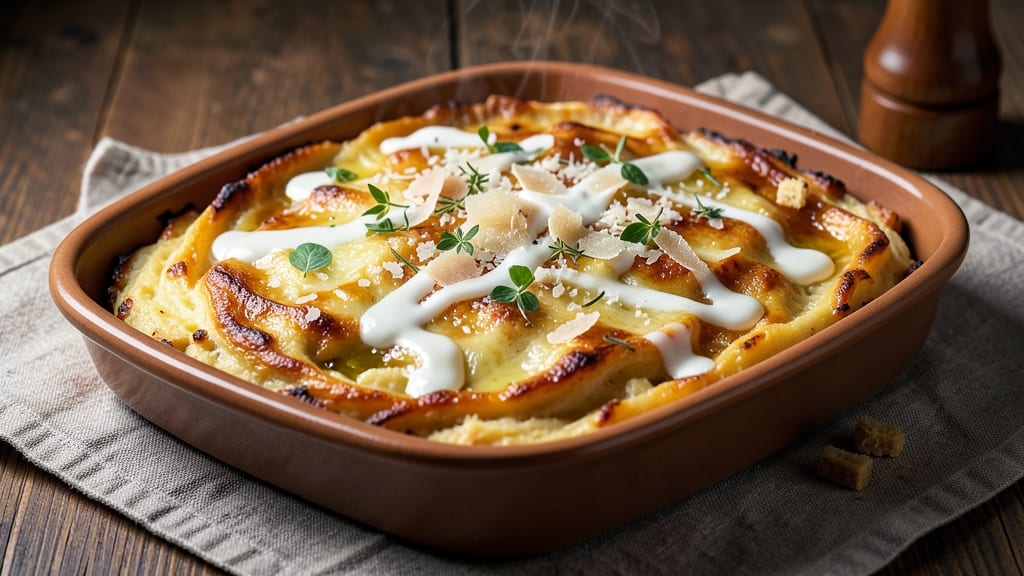
This baked cheese polenta recipe delivers the perfect balance of golden-crispy edges and a creamy, melty interior that makes it a satisfying vegetarian main dish.
The secret lies in baking the polenta until it develops a crispy grater texture while keeping the center tender—ideal for serving alongside salads or roasted vegetables. I've perfected this technique over years of testing, ensuring every bite is rich, cheesy, and irresistibly crisp.
The process starts with cooking polenta on the stovetop until thick and smooth, then transferring it to a baking dish where it transforms into a luxurious, cheesy casserole. A generous layer of melted cheese on top creates that signature crispy crust, while the interior remains velvety and comforting.
This recipe is not only foolproof but also adaptable—add herbs, mushrooms, or even a splash of white wine for extra depth.
What sets this apart is how it elevates simple ingredients into something restaurant-worthy. The polenta absorbs the rich, savory flavors of the cheese while developing a satisfying texture contrast—crispy on the outside, creamy inside.
It’s the kind of dish that feels indulgent yet remains balanced enough for a weeknight dinner or a light lunch.
Serve it as a standalone dish or pair it with a fresh arugula salad and roasted asparagus for a complete meal. The versatility makes it perfect for any occasion, from casual family dinners to elegant gatherings.
Ready in under an hour, this recipe proves that comfort food can be both effortless and impressive.
Ingredients for baked cheese polenta
Twelve ingredients transform into a restaurant-quality vegetarian dish with crispy edges and creamy interior.
| Ingredient | Amount | Notes |
|---|---|---|
| Polenta (Cornmeal) 🌾 | 1 cup | Fine grind for creamy texture |
| Vegetable Broth 💧 | 4 cups | Low-sodium preferred for balance |
| Extra-Virgin Olive Oil 🫒 | ¼ cup | High-quality for richness |
| Shredded Gruyère Cheese 🧀 | 1 ½ cups | Aged 12+ months for optimal melt |
| Shredded Parmesan Cheese 🧀 | ½ cup | Freshly grated from block |
| Heavy Cream 🥛 | ½ cup | Full-fat for velvety texture |
| Garlic Cloves 🧄 | 3 cloves | Minced for aromatic depth |
| Fresh Thyme Leaves 🌿 | 1 tbsp | Or 1 tsp dried thyme |
| Salt 🧂 | 1 ½ tsp | Diamond Crystal preferred |
| Black Pepper 🌶️ | ½ tsp | Freshly cracked for heat |
| Nutritional Yeast 🍃 | 2 tbsp | For umami boost on top layer |
| White Wine (optional) 🍷 | ¼ cup | Dry variety for depth |
The cheese selection is non-negotiable for this recipe. Gruyère provides that signature melt and nutty depth, while Parmesan adds saltiness to balance the richness. For Gruyère, look for blocks from Whole Foods or specialty cheese shops—they age it properly for that perfect melt. If you can't find Gruyère, Comté is a worthy substitute, though it melts slightly differently. The Parmesan should be freshly grated from a block; pre-shredded contains anti-caking agents that prevent proper melting. For the polenta, Bob's Red Mill fine grind is ideal—it creates that silky texture without graininess. If you're using instant polenta, add an extra tablespoon of cornmeal to ensure proper thickening.
No wine on hand? Vegetable broth with a splash of lemon juice works beautifully for acidity. Fresh thyme is ideal, but dried thyme at one-third the amount suffices in a pinch. The nutritional yeast might be unfamiliar—it's the secret to that cheesy umami without dairy. Bragg or Bob's Red Mill brands are widely available. For a more rustic version, swap the heavy cream for whole milk and a splash of cream, though the texture will be slightly lighter. The garlic should be minced finely—a microplane works wonders—to distribute flavor evenly without bitterness. If you're feeling adventurous, add 1/4 cup sautéed mushrooms to the polenta base for earthy depth.
This polenta develops its signature crispy texture during the final 15 minutes of baking—don't rush it. For best results, preheat your oven to 375°F and use a 9x9-inch baking dish that allows even browning. Store leftovers covered in the fridge for up to 4 days, though it reheats best when microwaved with a damp paper towel to restore creaminess. For make-ahead prep, assemble the dish up to 24 hours ahead and refrigerate before baking—it'll develop even more complex flavors. The crispy top can be revived by broiling for 2-3 minutes with a light spray of water.
Why You'll Love This Recipe
- One-Pot Magic: I swear by this for lazy nights—just mix, bake, and forget. No stirring pots or watching water boil. The polenta thickens right in the oven while the cheese melts into that golden, stretchy blanket.
- Cheese Overload: Gruyère and Parmesan aren’t just in this— they’re the stars. That nutty, salty depth from the Gruyère? It turns a simple polenta into something fancy enough for guests, but still feels like comfort food.
- Weeknight to Weekend: Make a big batch on Sunday, and you’ve got breakfast, lunch, or dinner covered. Reheat slices in the toaster or microwave—it’s my go-to for busy mornings or last-minute dinner guests.
- Budget-Friendly Luxury: Polenta and broth are dirt cheap, but the cheese makes it feel special. Honestly, I’d rather eat this than takeout—same cost, way better leftovers. Plus, it stretches to feed four for under $10.
Step-by-step instructions for baked cheese polenta
Here's the method to achieve that perfect golden crust with a creamy, melty interior every time.
Toast the Polenta for Richer Flavor
Heat the 0.25 cup extra-virgin olive oil in a heavy-bottomed saucepan over medium heat. Add the 1 cup polenta (cornmeal) and stir constantly for 2-3 minutes until it turns a pale golden color and smells nutty. This toasting step deepens the flavor and prevents a raw taste in your finished polenta.
I like to use a wooden spoon for this because it helps distribute the heat evenly. If the polenta starts to darken too quickly, reduce the heat slightly. You're looking for a light toast—not a deep brown. Remove from heat immediately after toasting to prevent burning.
Cook the Polenta to Creamy Perfection
Pour in the 4 cups vegetable broth all at once and bring to a gentle boil. Reduce heat to low and stir frequently with a wooden spoon for 15-20 minutes until the mixture thickens noticeably. The polenta should pull away from the sides of the pan and coat the back of a spoon smoothly.
This is where patience pays off. If you stir too vigorously, you'll create lumps. Instead, use gentle, circular motions to incorporate the bottom layer each time. If the polenta looks too thick before the time is up, add 1-2 tablespoons of broth at a time until it reaches a creamy consistency.
Finish with Cream and Aromatics
Remove the pan from heat and stir in the 0.5 cup heavy cream, 1.5 tsp salt, and 0.5 tsp black pepper. Add the 3 cloves minced garlic and 1 tbsp fresh thyme leaves, mixing well. If using, pour in the 0.25 cup white wine and simmer for 1 minute to allow the alcohol to cook off.
Taste and adjust seasoning—you might need a bit more salt since we're using low-sodium broth. The polenta should be rich but not overly salty. Transfer to a greased 8x8-inch baking dish and spread evenly. The mixture should be about 1-inch thick—press down gently with a spatula if needed.
Create the Golden Crust Layer
In a small bowl, combine the 1.5 cups shredded Gruyère cheese, 0.5 cup shredded Parmesan cheese, and 2 tbsp nutritional yeast. Sprinkle this mixture evenly over the cooked polenta, pressing down lightly so it adheres. The cheese will melt into the polenta while creating that coveted crispy top.
Drizzle the remaining 1 tablespoon extra-virgin olive oil over the top and swirl it around with a spoon. This oil helps create that beautiful golden-brown crust. Bake uncovered at 375°F for 20-25 minutes until the top is golden and bubbly, and the edges are crisp.
Rest and Serve for Optimal Texture
Remove from the oven and let the polenta rest for 5-10 minutes before serving. This resting period allows the cheese to fully set and the polenta to firm up slightly, making it easier to slice. The interior should be creamy with pockets of melted Gruyère, while the top should be crisp enough to hold its shape.
Slice into squares or diamonds and serve immediately. The contrast between the crispy top and creamy interior is what makes this dish so special. Pair with a simple arugula salad or roasted vegetables for a complete meal. The polenta holds its shape well when sliced, so you won't have a mushy texture issue.
Pro Tips For Making Baked Cheese Polenta
- STIR THE POLENTA LIKE YOUR LIFE DEPENDS ON IT: I learned this the hard way—skipping the stir turns your creamy polenta into a gluey mess. Use a wooden spoon and scrape the bottom relentlessly every 30 seconds until it thickens. No lumps, no excuses.
- GRATE THE CHEESE FINE (OR SUFFER): Pre-shredded cheese has anti-caking agents that make it clump like a sad snowball in your baked polenta. Buy a block of Gruyère and Parmesan, grate it yourself, and pat it dry with a paper towel—moisture is the enemy of a golden crust.
- DON’T SKIP THE OIL SWIM: Before baking, drizzle the top with extra-virgin olive oil—about 2 tablespoons—so the cheese melts into a glossy, caramelized blanket instead of a sad, dry layer. (Yes, even if you’re impatient like me.)
- BAKE UNTIL THE EDGES CRACK: The polenta’s done when the edges pull away from the pan and the top is deep golden, not just pale yellow. If it looks underdone, cover it loosely with foil and let it steam for 5 more minutes—this is where the texture magic happens.
Wine and beer pairings for this baked cheese polenta
White Wine Pairings
For this rich, cheesy polenta, I recommend a crisp dry Italian white wine like Pinot Grigio from Alto Adige or Vermentino from Sardinia. Their bright acidity cuts through the richness while complementing the nutty Gruyère.
A glass of Sauvignon Blanc with its citrus notes also works beautifully—just ensure it’s not too oaky, which could overpower the dish. 🍷
Red Wine Options
If you prefer red, opt for a light-bodied Chianti or Pinot Noir with minimal tannins. These wines won’t clash with the cheese’s creaminess while adding a subtle earthiness that pairs well with thyme and garlic. Avoid bold reds like Cabernet Sauvignon, as their intensity can dominate the dish.
Beer Pairings
A crisp Italian lager like Peroni or Moretti is my go-to beer pairing. The light, effervescent quality refreshes your palate between bites of the creamy polenta. For a craft option, try a Belgian witbier—its citrusy, spicy notes mirror the dish’s herbal and cheesy flavors.
Avoid heavy stouts or IPAs, which would overpower the delicate texture.
Non-Alcoholic Options
For a non-alcoholic match, I love sparkling apple cider with a hint of cinnamon. The effervescence cleanses the palate, while the sweetness balances the savory cheese. A cucumber-mint infused water with a squeeze of lime also works wonderfully, especially in warmer months. 💧
Seasonal Adjustments
In summer, a chilled rosé with its floral notes enhances the dish’s fresh thyme and garlic. For winter, a Chardonnay with a touch of oak adds warmth that complements the creamy polenta. Always let the wine breathe for 10-15 minutes before serving to enhance its flavors.
Nutrition facts
Frequently asked questions
Can I make this baked cheese polenta without wine?
Simply replace the 0.25 cup white wine with 0.25 cup vegetable broth or a mix of 0.2 cup broth + 2 teaspoons lemon juice for acidity. The dish will still develop rich flavors—just slightly less depth. For extra umami, add 1 teaspoon soy sauce or 1/2 teaspoon white miso paste to the polenta base.
Why does my polenta turn out gummy instead of creamy?
Gummy polenta usually means it wasn't cooked long enough or stirred properly. Always cook polenta on low heat and stir frequently (every 2-3 minutes) to prevent lumps. If it's still too thick after 20 minutes, add 1-2 tablespoons broth at a time. For baking, ensure your oven is fully preheated to 375°F—underheating can cause uneven cooking.
Can I use pre-cooked polenta from a jar?
Yes, but with adjustments. Pre-cooked polenta is thicker, so mix 1 (15 oz) package with 0.5 cup heavy cream and 1/4 cup broth to loosen it. Spread in your baking dish and top with cheese as directed. Bake for 15-20 minutes (less time than from-scratch) since it's pre-cooked. The texture will be slightly denser but still delicious!
How do I prevent the cheese from getting too oily?
Use shredded cheese (not pre-shredded) and press it gently into the polenta before baking. For extra insurance, sprinkle 1 tablespoon cornstarch over the cheese layer—it absorbs excess moisture. Also, avoid overfilling the baking dish (keep it 1-inch thick) to ensure even browning without soggy cheese.
What's the best way to reheat leftovers?
Microwave in 30-second bursts on medium power, covered with a damp paper towel to restore creaminess. For oven reheating, cover with foil and bake at 350°F for 10-15 minutes. To revive the crispy top, broil for 1-2 minutes at the end. Never reheat in the air fryer—it dries out the polenta too quickly.