
Main Courses
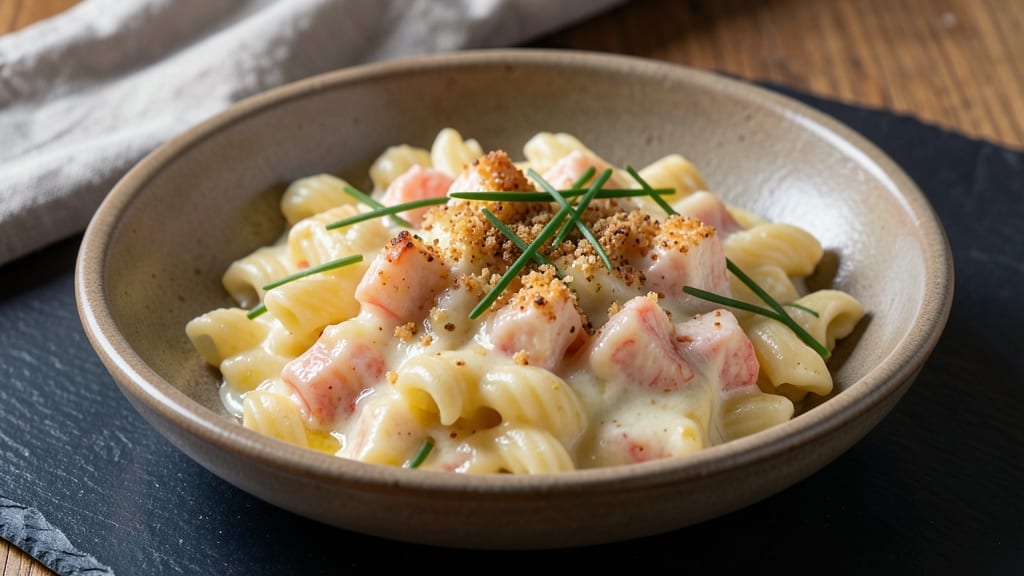
This award-winning lobster mac and cheese recipe delivers restaurant-quality decadence with tender lobster meat and a velvety Gruyère sauce. The secret lies in butter-poaching the lobster to preserve its delicate flavor, then folding it into a rich, creamy cheese base that coats every strand of cavatappi pasta.
Every bite combines buttery lobster, sharp cheddar, and nutty Gruyère for a dish that feels like a gourmet indulgence. What sets this recipe apart is the technique: a proper roux forms the foundation of the sauce, ensuring it stays silky smooth even when reheated.
The lobster is prepared just right—poached in butter and white wine to maintain its tender texture—while the pasta cooks al dente to hold up to the luxurious filling. Garnished with toasted breadcrumbs and fresh chives, this dish looks as impressive as it tastes.
Perfect for special occasions or when you want to elevate a weeknight dinner, this recipe delivers restaurant-quality results at home. The combination of sweet lobster, sharp cheddar, and rich Gruyère creates a flavor profile that’s both comforting and sophisticated.
With careful preparation and attention to detail, you’ll achieve a dish worthy of any award-winning menu. Whether you’re serving this as a main course for a dinner party or treating yourself to a luxurious meal, the results are consistently impressive.
The lobster adds a touch of elegance, while the creamy cheese sauce ensures every bite is indulgent. Let’s get started on creating this showstopping dish.
Ingredients for award winning lobster mac and cheese
Buttery lobster and three premium cheeses transform simple pasta into gourmet indulgence.
| Ingredient | Amount | Notes |
|---|---|---|
| Lobster Meat 🦞 | 1 ½ lb | Freshly poached in butter and white wine |
| Cavatappi Pasta 🍝 | 12 oz | Cooked al dente |
| Gruyère Cheese 🧀 | 2 cups | Shredded, aged 12+ months |
| Sharp White Cheddar Cheese 🧀 | 1 ½ cups | Shredded, block preferred |
| Unsalted Butter 🧈 | ¾ cup | European style, 82% fat |
| Heavy Cream 🥛 | 1 cup | Full-fat, cold |
| Dry White Wine 🍷 | ½ cup | Sauvignon Blanc preferred |
| All-Purpose Flour 🌾 | ¼ cup | For roux, sifted |
| Fresh Chives 🌿 | ¼ cup | Finely chopped, for garnish |
| Panko Breadcrumbs 🍞 | ½ cup | Toasted in butter |
| Kosher Salt 🧂 | 1 ½ tsp | Diamond Crystal preferred |
| Freshly Ground Black Pepper 🌶️ | ½ tsp | Cracked peppercorns |
| Fresh Lemon Juice 🍋 | 1 tbsp | Bright, from Meyer lemon |
| Garlic Cloves 🧄 | 2 cloves | Minced, for roux |
The lobster is non-negotiable for this dish—freshly cooked is essential. Whole lobsters from a seafood market (like Whole Foods or Trader Joe's) yield the best meat, but pre-cooked tails work too. Poach it yourself in unsalted butter and white wine to preserve that delicate sweetness. The Gruyère should be aged at least 12 months—you'll taste the difference in that nutty depth. For the cheddar, block cheese shreds better than pre-shredded, and sharp varieties add the perfect bite. If you're feeling fancy, imported French Gruyère from specialty stores elevates the dish further.
No panko? Toasted breadcrumbs from a baguette work just as well—just pulse them in a food processor. Substituting wine? Dry vermouth or chicken stock adds complexity without overpowering. The roux is where the magic happens—don't rush it. Cook the flour and butter until it's a deep golden brown for that nutty flavor. For a vegetarian twist, swap lobster for seared king oyster mushrooms or extra-firm tofu. The pasta must be al dente—it needs to hold up to the rich sauce without turning mushy.
This dish tastes even better the next day—reheats beautifully with a splash of milk to restore creaminess. Store leftovers in an airtight container for up to 3 days in the fridge. For longer storage, freeze portions for up to 2 months. Garnish with extra chives and toasted breadcrumbs right before serving—that crispy contrast makes all the difference. Leftovers make fantastic lunches, so double the recipe if you're feeding a crowd.
Why You'll Love This Recipe
- One-Pot Wonder: I swear by this method—just toss cavatappi and lobster into the same pot as the cheese sauce. No extra pans, no fuss. The cavatappi soaks up that Gruyère-cheddar richness while the lobster stays tender, and honestly? Cleanup is just a sponge and a sigh of relief.
- Luxury in Every Bite: That first forkful of buttery cavatappi wrapped in melted Gruyère, then the flaky lobster on top—it’s like someone sprinkled gold flakes on comfort food. The sharp cheddar cuts through the richness, and the lobster? It melts like silk. (Yes, even on a Tuesday night.)
- Weeknight to Dinner Party: Same recipe, totally different vibes. Serve it in a cast-iron skillet for a rustic weeknight meal, or transfer it to a baking dish and broil until golden for company. My in-laws think it’s fancy; my kids think it’s "the best pasta ever." Win-win.
- Leftovers That Don’t Suck: Most mac and cheese gets sad the next day, but not this one. The Gruyère keeps it creamy, and the lobster stays moist—perfect for quick lunches or reheating with a splash of cream. I’ll be real: I’ve microwaved cold leftovers straight from the fridge, and no one batted an eye. That’s reliability.
Step-by-step instructions for award-winning lobster mac and cheese
This luxurious lobster mac and cheese delivers restaurant-quality results with a velvety sauce and perfectly poached lobster.
Poach the Lobster Meat in Butter and Wine
In a medium saucepan, combine the 0.75 cup unsalted butter and 0.5 cup dry white wine over medium heat. Bring just to a gentle simmer—you should see tiny bubbles breaking the surface but no vigorous boiling. Add the 1.5 lb lobster meat and cook for exactly 3-4 minutes, stirring gently once halfway through.
The lobster should turn just opaque at the edges while remaining tender in the center. Remove it with a slotted spoon and transfer to a plate. Strain the poaching liquid through a fine-mesh sieve into a small bowl, pressing gently on the solids to extract all the flavor. Keep both the lobster and the strained liquid for the next steps.
Cook the Cavatappi Pasta Al Dente
Bring a large pot of water to a rolling boil and salt it generously—it should taste like the ocean. Add the 12 oz cavatappi pasta and cook until 1 minute shy of the package directions for al dente. Reserve 1 cup of pasta water before draining, then drain the pasta completely. The starchy water is essential for creating a silky sauce.
Toss the hot pasta immediately with 1 tbsp fresh lemon juice to brighten the flavor and prevent the strands from sticking. This acidity also helps balance the richness of the cheese sauce later. Keep the pasta warm while you prepare the roux.
Create the Luxurious Cheese Sauce
In the same saucepan you used for poaching (no need to clean it—the lobster flavor is part of the magic), melt 0.25 cup unsalted butter over medium heat. Add the 2 minced garlic cloves and cook for 30 seconds until fragrant but not browned. Immediately whisk in the 0.25 cup all-purpose flour to form a smooth roux.
Cook the roux for 1-2 minutes, stirring constantly, until it turns a pale golden color. Slowly pour in the 1 cup heavy cream and 0.5 cup strained lobster poaching liquid, whisking vigorously to prevent lumps. Bring to a gentle simmer and cook for 3-4 minutes until the mixture thickens slightly.
Combine and Melt the Cheeses
Reduce heat to low and gradually add the 2 cups gruyère cheese and 1.5 cups sharp white cheddar cheese, whisking constantly until fully melted and smooth. The sauce should be thick enough to coat the back of a spoon but still flow easily. If it becomes too thick, whisk in 2-3 tablespoons of reserved pasta water to reach your desired consistency.
Add the cooked pasta to the sauce and toss gently to coat evenly. Stir in the poached lobster meat and 0.5 tsp freshly ground black pepper. The lobster should be warm but not overcooked—this is your final chance to adjust seasoning with additional kosher salt if needed.
Create the Crispy Panko Topping
In a small skillet, melt 2 tablespoons unsalted butter over medium heat. Add the 0.5 cup panko breadcrumbs and toast for 2-3 minutes, stirring constantly, until they turn a rich golden brown. Remove from heat and transfer to a plate.
Divide the lobster mac and cheese among four oven-safe dishes. Top each portion generously with the toasted panko breadcrumbs and broil in a 400°F oven for 2-3 minutes until the breadcrumbs are deeply golden and crispy. Garnish immediately with 0.25 cup finely chopped fresh chives for a pop of color and freshness.
Pro Tips For Making Award Winning Lobster Mac And Cheese
- Dry the lobster meat well: I learned this the hard way—wet lobster steams your mac and cheese instead of adding flavor. Pat it thoroughly with paper towels before folding it into the sauce; even a little moisture will turn your creamy sauce into a sad, watery mess. (Yes, even if you’re impatient like me.)
- Melt the cheeses separately: Gruyère and sharp cheddar behave differently when melted. Start by grating the cheddar into a cold pan with butter until it’s just melted, then remove it from heat before adding the Gruyère. This prevents the cheddar from turning rubbery while the Gruyère gets that perfect, velvety melt. (Your future self will thank you.)
- Don’t overcook the cavatappi: This pasta looks sturdy, but it’s way more delicate than it appears. Pull it from the boil when it’s just al dente—about 1 minute before the package says—then shock it in ice water. Overcooked cavatappi turns mushy and soaks up the lobster flavor like a sponge. (I know, I know, but trust the process.)
- Toast the pasta in butter first: This isn’t the prettiest method, but it’s the tastiest. After draining the cavatappi, toss it in a skillet with 2 tablespoons of melted butter over medium heat until it’s lightly golden in spots. The extra texture makes all the difference when you fold in the lobster and cheese later. (Sounds weird, but it works.)
Pro cooking tips for this dish
Roux Perfection
The roux is the backbone of your award-winning sauce—don’t rush this step! Cook the 0.25 cup flour and 0.25 cup butter over medium heat until it reaches a pale golden color (about 1-2 minutes). If it browns too quickly, reduce heat to low-medium—a dark roux will add bitterness.
I like to use a whisk for even cooking, and I always test the roux by dipping a spoon in cold water—if it holds a peak, it’s ready. 🌟
Lobster Poaching
Poaching lobster in butter and white wine preserves its delicate sweetness, but timing is everything. Cook for exactly 3-4 minutes—any longer risks toughness. Use a slotted spoon to remove it from the liquid, then strain the poaching liquid through a fine-mesh sieve to remove solids.
This strained liquid adds depth to your sauce without grit. Pro tip: Add 1 tbsp lemon juice to the poaching liquid before straining to brighten the flavor. 🦞
Pasta Water Magic
Never drain all your pasta water! Reserve 1 cup before draining the cavatappi—this starchy liquid is liquid gold for your sauce. If your cheese sauce thickens too much, whisk in 2-3 tbsp of pasta water until it reaches a silky, coatable consistency.
I also toss the hot pasta with 1 tbsp lemon juice right after draining to prevent sticking and cut through the richness. 🍋
Cheese Melting
Add cheeses gradually to avoid clumping—start with 1 cup gruyère, whisk until fully melted, then add the 1.5 cups cheddar. If your sauce separates, whisk vigorously and add 1 tbsp pasta water to emulsify.
For extra luxury, fold in 1 tbsp white wine at the end to refine the sauce. The key is low heat—never let it boil, or you’ll risk breaking the emulsion. ✨
Broiling the Topping
Toast your panko breadcrumbs in 2 tbsp butter until golden brown—this adds texture and flavor. Spread them evenly over the mac and cheese before broiling at 400°F for 2-3 minutes until deeply crispy.
Watch closely to avoid burning! I like to broil on the middle rack for even heat. Garnish immediately with chives while the topping is still hot. 🔥
Reheating Secrets
This dish tastes even better the next day! Reheat covered in the microwave for 2-3 minutes, then stir in 2 tbsp milk or cream to restore creaminess. For stovetop reheating, warm over low heat with 2 tbsp pasta water, stirring constantly.
If the sauce separates, whisk in 1 tsp flour mixed with 1 tbsp cold water to smooth it out. 💡
Nutrition facts
Frequently asked questions
Can I substitute fresh lobster with pre-cooked tails?
Yes! Pre-cooked lobster tails work perfectly—just remove the meat carefully and cut it into bite-sized pieces. For the best flavor, poach these pieces in 0.5 cup butter and 0.25 cup white wine for 2-3 minutes to warm through and infuse with aroma. The texture will be slightly firmer than fresh, but the taste remains delightful.
What's the best way to make this dish vegetarian?
Swap the lobster for king oyster mushrooms or extra-firm tofu—both absorb flavors beautifully. Sear the mushrooms in butter until golden, then slice them into lobster-like pieces. For tofu, press it first to remove excess water, then cube and pan-sear until crispy. Add 1 tbsp soy sauce to the mushrooms or tofu while cooking to mimic lobster's umami depth.
Why did my cheese sauce get grainy?
Grainy texture usually means the cheese didn't melt fully or the sauce separated. Always use block cheese (not pre-shredded) and add it gradually while whisking constantly over low heat. If it separates, whisk in 1 tbsp pasta water or white wine to emulsify. For extra insurance, melt cheeses in a separate bowl first, then stir into the sauce.
How far ahead can I prepare this?
This dish actually tastes better the next day! Assemble it completely (without broiling) and refrigerate in an airtight container for up to 3 days. Reheat gently with 2 tbsp milk or pasta water to restore creaminess. For freezing, portion before adding breadcrumbs and freeze for up to 2 months. Thaw overnight in the fridge and broil fresh for crispy topping.
What's the secret to the perfect crispy topping?
The magic is in the butter-toasting and broiling technique. Toast panko in 2 tbsp butter until golden brown—this creates flavor and prevents sogginess. Spread evenly and broil on middle rack at 400°F for 2-3 minutes, watching closely. For extra crunch, broil until edges are deep golden, then garnish immediately with chives while hot.