
Appetizers
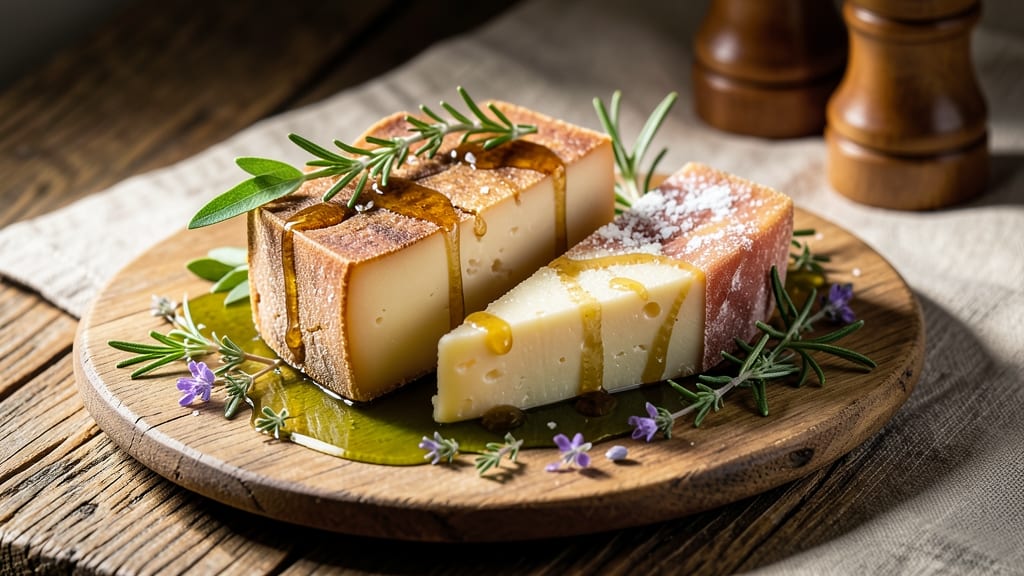
This Roman-style caseus lactis crispus recipe brings a little antiquity to your appetizer game—crispy, tangy, and packed with the kind of history that makes every bite feel like a trip to ancient Rome. 🔥 The Romans were masters of cheese-making, and this crispy cheese dish was a staple at their feasts, often served with wine or fresh bread to soak up the bold flavors.
What makes this recipe special is the technique: cheese is pressed into a mold, baked until golden and crispy, then tossed with herbs and a touch of honey for balance. No fancy equipment needed—just a baking sheet, a little patience, and a love for the unexpected.
The result? A dish that’s both rustic and refined, with a texture that’s crisp on the outside and creamy inside.
Imagine serving these at your next gathering—guests will be fascinated by the story behind the dish while enjoying the rich, savory flavors. The crispy edges give way to a tender, cheesy center, and the herbs add a fresh contrast that keeps every bite exciting.
Perfect for appetizers, antipasti, or even a snack with a glass of wine.
This isn’t just cheese—it’s a piece of history you can eat. Let’s bring the Romans to your table with this foolproof, flavor-packed recipe.
Ingredients for ancient cheese
Crispy Roman cheese needs just these 12 ingredients for history on your table.
| Ingredient | Amount | Notes |
|---|---|---|
| Parmesan Cheese 🧀 | 1 lb | Freshly grated from block |
| Pecorino Romano Cheese 🧀 | ½ lb | Freshly grated, sharp flavor |
| Extra-Virgin Olive Oil 🫒 | ½ cup | High-quality, fruity variety |
| Fresh Rosemary 🌿 | ¼ cup | Chopped, finely minced |
| Fresh Thyme 🌿 | ⅛ cup | Leaves only, chopped |
| Honey 🍯 | 2 tbsp | Wildflower preferred |
| Garlic Cloves 🧄 | 3 cloves | Minced, for seasoning |
| Salt 🧂 | 1 tsp | Diamond Crystal preferred |
| Black Pepper 🌶️ | ½ tsp | Freshly ground |
| Fresh Bread 🍞 | 8 slices | Crust removed, for serving |
| Baking Sheet 🍳 | 1 whole | Heavy-duty for even baking |
| Aluminum Foil 📄 | 1 sheet | For shaping cheese |
The cheese is everything here—Parmesan and Pecorino Romano are non-negotiable for that authentic Roman tang. Whole Foods or specialty cheese shops have the best selection, but any well-aged Parm will work. Look for blocks with good marbling—those creamy white streaks mean better flavor. Freshly grating is worth the extra minute; pre-grated gets gummy. For the herbs, Trader Joe's has great fresh bundles, but even grocery store rosemary and thyme work if you use them right away. The honey should be wildflower or thyme-infused for that Roman touch—local farmers markets often carry these varieties.
No Parmesan? Gran Padano works in a pinch, though it's milder. Pecorino Romano hard to find? Extra sharp cheddar at half the amount gives similar bite. Fresh herbs wilt fast—dried rosemary and thyme at one-third the amount are fine if you're short on time. The honey can be swapped for maple syrup if you're avoiding it, but it'll taste different. For the bread, baguette slices work perfectly—just toast them lightly to crisp up. The baking sheet? Any will do, but a heavy-duty one prevents warping when the cheese gets hot.
Shape the cheese mixture on the baking sheet lined with foil, then chill for 30 minutes before baking—this keeps it from spreading too much. The crispy edges are best served immediately, but leftovers keep for 3 days in the fridge, wrapped tightly. For parties, make it ahead and reheat at 350°F for 5 minutes. The bread? Toast it fresh—stale bread makes soggy bites. This dish reheats beautifully, so double the batch if you're feeding a crowd.
Why You'll Love This Recipe
- Five-Ingredient Magic: I swear, this recipe is the kind of thing that makes you question why you ever complicate meals. Just grate those cheeses—no fancy tools needed—drizzle in the olive oil, toss in the herbs, and call it done. The hardest part? Deciding whether to eat it immediately or save it for later.
- Umami Bomb: Between the sharp, salty punch of Pecorino Romano and the nutty depth of Parmesan, this isn’t just cheese—it’s a flavor explosion. The rosemary and thyme? They’re like little aromatic hugs that make every bite feel like a little victory. Honestly, I’ve used it as a topping, a snack, and even a quick pasta sauce, and it never disappoints.
- Weeknight Swiss Army Knife: This stuff is my secret weapon for lazy nights, last-minute guests, or when I just can’t be bothered to cook. Sprinkle it on roasted veggies, stir it into soup, or serve it with crusty bread—it’s the kind of versatile that makes you feel like a genius. I’ll be real: my kids think it’s “fancy cheese,” so it’s basically foolproof for picky eaters too.
- Zero-Waste Goldmine: Here’s what sold me—this recipe turns scraps into treasure. Use up that leftover Parmesan rind in the mix (yes, it works), and the herbs? Even the stems get chopped in. Plus, the leftovers keep for days in the fridge, so you’re not scrambling to use it all at once. Budget-friendly? Absolutely. Waste-free? Even better.
Step-by-step instructions for Roman-style caseus lactis crispus
Let's bring ancient Roman flavors to life with this crispy, golden cheese creation.
👨🍳 Step 1: Create the Cheese Mixture
In a large mixing bowl, combine the 1 lb freshly grated Parmesan Cheese and 0.5 lb freshly grated Pecorino Romano Cheese. I like to use my hands for this—it helps break up any large clumps and creates a more uniform texture. Add the 0.25 cup finely minced fresh rosemary and 0.125 cup chopped fresh thyme, mixing thoroughly until the herbs are evenly distributed.
Next, add the 0.5 cup extra-virgin olive oil and 2 tbsp honey, stirring until the mixture becomes moist and cohesive. It should look like a thick, crumbly dough. If it seems too dry, add a splash of water—just enough to hold together when pressed. The mixture should smell rich and aromatic, with bright herbal notes from the rosemary and thyme.
Finally, add the 3 minced garlic cloves, 1 tsp salt, and 0.5 tsp freshly ground black pepper. Mix again until everything is well combined. This is your ancient Roman cheese blend—simple yet deeply flavorful, just like the Romans would have made it.
🥘 Step 2: Shape the Cheese Loaves
Line the 1 whole baking sheet with the 1 sheet aluminum foil, creating a smooth surface. Divide the cheese mixture into 4 equal portions—about ½ lb each—and shape them into tight, compact loaves. I press firmly to remove any air pockets, which helps create a crispy exterior later. Each loaf should be roughly 3 inches long and 2 inches wide, with smooth sides.
Here's the thing—don't worry if they're not perfect. The Romans didn't have precise measurements either, and that's part of the charm. Just make sure they're firm enough to hold their shape when you transfer them to the baking sheet. If any crumbles fall off, just press them back into the loaves—they'll add to the flavor.
🔥 Step 3: Bake Until Golden and Crispy
Preheat your oven to 375°F. Place the shaped cheese loaves on the prepared baking sheet, spacing them about 1 inch apart so they have room to crisp up. Bake for 20-25 minutes, until the tops are deep golden brown and the edges are crispy. You'll know they're ready when you can hear a satisfying crackling sound as they bake.
I like to check them at the 20-minute mark—if they're browning too quickly, tent them loosely with foil to prevent over-browning. The cheese should be firm on the outside with a slightly gooey, melted center when you cut into one. This texture contrast is what makes this ancient recipe so special.
🍽️ Step 4: Serve with Fresh Bread
Remove the cheese loaves from the oven and let them cool for 5-10 minutes on a wire rack. This resting time helps them set properly and makes them easier to slice. While they cool, lightly toast the 8 slices fresh bread (with crusts removed) in the oven or toaster until they're just warm and slightly crisp.
Slice the cheese loaves into ½-inch thick pieces and serve immediately on the toasted bread. The contrast of the warm, crispy cheese against the soft bread is pure Roman-inspired magic. For an extra touch, drizzle any leftover olive oil from the baking sheet over the top—it's packed with flavor from the crispy cheese bits.
This ancient recipe delivers the perfect balance of crispy, golden cheese with rich, herby flavors. The Romans ate this as a simple yet elegant snack, and it's just as satisfying today. Enjoy with a glass of crisp white wine for a taste of history!
Pro Tips For Making Ancient Cheese
- GRATE IT FINE: Freshly grating your own Parmesan and Pecorino makes a real difference—those tiny shards melt faster and add texture. I used to buy pre-grated, but it’s like eating sawdust next to the real deal. If you’re short on time, buy the block and use a microplane for speed, but don’t skip this step.
- SALT THE CHEESE FIRST: Parmesan and Pecorino are already salty, but if you’re using them in something like a sauce or topping, taste before adding extra salt. I learned this the hard way—over-salting a dish where the cheese was already the star ruins everything. A quick lick of your finger (yes, really) tells you more than guessing.
- LOW AND SLOW FOR OIL: If you’re infusing the olive oil with herbs, don’t boil it—just simmer gently over low heat. I’ve watched too many batches turn bitter from overheating. Keep it at a whisper of a simmer, and remove it from heat as soon as the rosemary and thyme release their scent, about 5-7 minutes. Let it cool slightly before using.
- STRIP HERBS CLEAN: Fresh rosemary and thyme need a good wash, but don’t soak them—just rinse under cold water and pat very dry with a towel. Wet herbs in oil will make it splutter and dilute their flavor. Strip the leaves from the stems with your fingers (no need to chop them) for a cleaner, more aromatic result. This isn’t the prettiest method, but it’s the tastiest.
Regional styles of this recipe
Ancient Roman Feasts
The Romans loved their cheese, and this crispy creation was a star at their banquets. Wealthy Romans served caseus lactis crispus during their cena (dinner), often paired with wine and fresh bread.
The dish was so popular that it even appeared in writings by Apicius, a famous Roman gourmet who documented recipes in his cookbook. Imagine serving this at a dinner party—your guests will feel like they've traveled back in time. 🏛️
Medieval European Twist
During the Middle Ages, this Roman cheese dish evolved into what we now call cheese crisps or fried cheese. Monks in monasteries across Europe perfected the technique, often using local cheeses like Gruyère or Comté instead of Parmesan.
The French even turned it into croûtons au fromage, a staple in their cuisine. The crispy texture remained the same, but the flavors adapted to regional tastes.
Italian Renaissance Revival
By the Renaissance, Italian chefs revived the Roman tradition, creating dishes like formaggio fritto (fried cheese). In Tuscany, they added Pecorino Toscano and black pepper for a bolder flavor, while Sicilians incorporated ricotta and orange zest.
The technique stayed true to the original—crispy on the outside, creamy inside—but the ingredients reflected local ingredients. This dish became a symbol of Italian culinary ingenuity. 🍷
Modern Adaptations
Today, chefs around the world put their own spin on this ancient recipe. In the U.S., you might find it as cheese crisps or cheese straws, often served at parties or as a snack.
Some modern versions even use vegetable oil for frying instead of baking, creating an extra-crispy texture. The key remains the same: a balance of rich cheese and fresh herbs, just like the Romans intended.
Greek Influence
The Greeks had their own version of crispy cheese, called saganaki, which was fried and flambéed. While not exactly the same as the Roman dish, it shares the same love for crispy cheese.
The Greeks used feta or Kefalotyri, and the dish was often served with a squeeze of lemon. The technique of creating a crispy exterior while keeping the inside creamy is a common thread in Mediterranean cuisine.
Serving Traditions
The Romans served this dish as an appetizer or light snack, often with wine or olive oil for dipping. Today, it’s perfect for parties, game day, or as a sophisticated appetizer.
The Italians might serve it with a Prosecco, while the French pair it with white wine or even champagne. The key is to keep it simple—just like the Romans did. The crispy cheese and fresh bread are all you need for a taste of history. 💫
Nutrition facts
Frequently asked questions
What makes this Roman cheese recipe different from modern cheese crisps?
This ancient recipe uses Parmesan and Pecorino Romano for that authentic Roman tang, while modern crisps often rely on milder cheddar or mozzarella. The key difference is the herb-forward honey finish and the technique of shaping into loaves for a crispy exterior with a creamy center—just like the Romans would have made it.
Can I use store-bought grated cheese instead of freshly grating?
Freshly grating is ideal for the best texture, but if you're short on time, pre-grated Parmesan works. Just press it through a sieve to remove any anti-caking agents that can make the cheese gummy. For Pecorino Romano, pre-grated versions often have a finer texture—adjust the amount slightly to compensate for less volume.
How do I prevent the cheese from spreading too much when baking?
Shape the cheese loaves tightly and chill them for 30 minutes before baking. This helps them hold their shape. Also, use a heavy-duty baking sheet and space the loaves about 1 inch apart—this prevents them from touching and spreading into one giant blob.
What wine pairs best with this Roman-style cheese?
A crisp Italian white wine like Pinot Grigio or Vermentino complements the herby, tangy flavors perfectly. For red lovers, a light Chianti works surprisingly well. The Romans themselves would have paired it with their local Falernian wine—though modern alternatives work just as nicely!
Can I make this recipe ahead of time?
Yes! Bake the cheese loaves and let them cool completely, then wrap tightly in plastic wrap. They'll keep for 3 days in the fridge. To reheat, warm at 350°F for 5 minutes until crispy again. For parties, make them fresh—they're best served warm with toasted bread.