
Sauces & Condiments
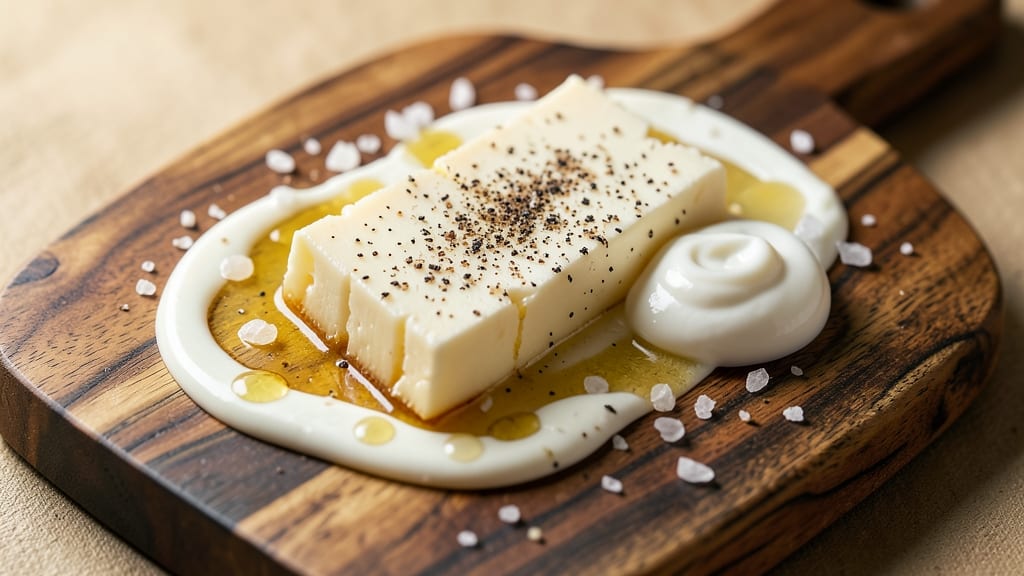
Amish Butter Cheese transforms simple pantry staples into a creamy, tangy spread that elevates everything from sandwiches to baked dishes. This recipe captures the rustic charm of Amish cooking with its rich, velvety texture and bold flavor profile—no special equipment required. The secret lies in balancing sharp cheddar with creamy butter and a touch of acidity, creating a spread that’s both comforting and versatile.
What sets this recipe apart is its simplicity: just four key ingredients work together to deliver a spread with depth. The process involves melting butter with shredded cheese until smooth, then adding a splash of vinegar or lemon juice for that signature tang.
It’s a method that’s been perfected in Amish kitchens for generations, ensuring a foolproof result every time.
By the time you’re done, you’ll have a batch of homemade butter cheese that’s ready to transform ordinary meals into something special. Spread it on warm biscuits, dollop it into mashed potatoes, or use it as a glaze for roasted vegetables.
The possibilities are endless, and the flavor is undeniably satisfying.
This recipe is designed to be both practical and impressive—ideal for home cooks who want restaurant-quality results without the fuss. Let’s get started on creating your own batch of this beloved Amish classic.
Ingredients for amish butter cheese
Four ingredients create this iconic Amish spread with restaurant-quality depth and tang.
| Ingredient | Amount | Notes |
|---|---|---|
| Sharp White Cheddar Cheese 🧀 | 1 ½ lb | Block form, freshly grated |
| Unsalted Butter 🧈 | ½ cup | Cold, cubed for even melting |
| White Vinegar 🍋 | 1 tbsp | Or lemon juice for brightness |
| Diamond Crystal Kosher Salt 🧂 | ½ tsp | Fine grain for proper seasoning |
| Freshly Ground Black Pepper 🌶️ | ¼ tsp | Cracked peppercorns preferred |
| Heavy Cream 🥛 | ¼ cup | Optional for extra creaminess |
The cheddar is non-negotiable—sharp white cheddar delivers that signature tang. Wegmans or Whole Foods carry excellent blocks; avoid pre-shredded (it contains anti-caking agents). The butter should be unsalted and cold—this ensures proper emulsification. For vinegar, apple cider vinegar adds subtle sweetness, but white vinegar keeps it classic. Freshly grated cheese makes all the difference—use a box grater for the finest texture. Store your cheddar block wrapped in parchment in the fridge for up to 3 months.
No sharp cheddar? Extra-sharp cheddar at half the amount works in a pinch, though the flavor will be milder. Substituting vinegar? Lemon juice at equal parts brightens the spread, while white wine vinegar adds complexity. The heavy cream is optional but recommended for a velvety finish—skip it if you prefer a lighter texture. For salt, Diamond Crystal dissolves more easily than Morton's; if you only have table salt, use half the amount. Prefer peppercorns? Crack them fresh for a more aromatic finish. This spread reheats beautifully—microwave in 30-second bursts to restore creaminess.
This butter cheese keeps for 1 week refrigerated in an airtight container, but the flavor actually improves over time as the tang develops. For longer storage, portion into glass jars and freeze for up to 3 months. Thaw overnight in the fridge—never microwave directly from frozen. The spread thickens as it cools, so reheat with a splash of warm water if needed. Use it on warm biscuits, grilled cheese, or roasted vegetables for maximum impact. Leftovers make excellent homemade mac and cheese or stuffing—just mix with breadcrumbs and bake.
Why You'll Love This Recipe
- Five-Ingredient Magic: I swear, this recipe is the kind of thing you’ll bookmark and forget exists—until you need it. Sharp cheddar, butter, vinegar, salt, and pepper? That’s it. No fancy tools, no waiting for the oven to preheat, just a bowl and a spoon.
- Tangy Creamy Dream: The vinegar cuts through the richness of the butter and cheese in the best way—bright, sharp, but never overpowering. It’s like a grown-up version of mac and cheese, but with way more depth. Honestly, I’ve caught myself eating it straight from the bowl.
- Game for Any Meal: Slather it on warm biscuits, toss it into a skillet with eggs for breakfast, or use it as a dip for veggies at a potluck. Between us, it’s also my go-to for last-minute casserole topping—just dump it on baked potatoes or roasted veggies and call it dinner.
- Budget-Friendly Luxury: This recipe costs pennies per serving, but it tastes like you spent hours in the kitchen. A block of cheddar and a stick of butter stretch far, and the vinegar adds that restaurant-quality tang without breaking the bank. Plus, it keeps for days in the fridge, so no wasted leftovers.
Step-by-step instructions for Amish butter cheese
Here's the precise method for crafting this velvety, tangy spread from scratch—every detail matters.
🍳 Step 1: Melt the Butter and Create the Base
In a heavy-bottomed saucepan, combine the 0.5 cup unsalted butter and 1 tbsp white vinegar over medium-low heat. Stir gently until the butter melts completely, then increase heat to medium and let it simmer for 2-3 minutes until it begins to foam. The vinegar will create a subtle tang that deepens as the cheese incorporates.
Remove the pan from heat and immediately add the 1.5 lb freshly grated sharp white cheddar cheese. I use a microplane for this step—it produces finer, more uniform shreds that melt more smoothly. The cheese should begin melting immediately from the residual heat, forming a thick, gooey mixture. If it thickens too quickly, return the pan to low heat for 10-15 seconds to prevent scorching.
🥘 Step 2: Season and Blend to Perfection
Return the pan to low heat and stir in the 0.5 tsp Diamond Crystal kosher salt and 0.25 tsp freshly ground black pepper. The salt should dissolve completely while the pepper distributes evenly throughout. Keep the heat at low and stir constantly for 3-4 minutes until the mixture becomes completely smooth and velvety.
This is where the magic happens—the cheese should transform from a chunky blend into a silky, spreadable consistency. If you notice any lumps forming, use a silicone spatula to break them down gently. The mixture should coat the back of a spoon smoothly without any graininess. If it's too thick, add 1 tablespoon of water at a time until you reach the desired texture.
⏰ Step 3: Incorporate the Heavy Cream (Optional)
For an extra-creamy version, reduce heat to lowest setting and gradually whisk in the 0.25 cup heavy cream. Add it slowly to prevent curdling, and continue stirring until fully incorporated. The cream will lighten the color slightly and add a luxurious mouthfeel. If you're making the classic version without cream, skip this step and proceed directly to the next.
Once combined, the mixture should be smooth, glossy, and perfectly spreadable. If you're unsure about the consistency, place a small spoonful on a chilled plate and let it sit for 1 minute. It should hold its shape slightly but still be malleable—this indicates it's ready for the final step. The cream adds richness but isn't essential; the original Amish recipe relies solely on the cheese, butter, and vinegar.
🍽️ Step 4: Cool and Serve for Maximum Flavor
Transfer the cheese mixture to a heatproof bowl and let it cool at room temperature for 10-15 minutes. This cooling period allows the flavors to meld completely and the texture to set slightly. For best results, cover the bowl loosely with plastic wrap pressed directly onto the surface to prevent a skin from forming.
Once cooled, taste and adjust seasoning if needed. The vinegar should provide a bright tang, the cheese a sharp depth, and the butter a rich smoothness. For serving, transfer to a clean bowl or spread directly onto crackers, fresh bread, or pretzels. This cheese keeps well in the refrigerator for up to 2 weeks, though it's best enjoyed within the first 5 days when the flavors are at their peak.
Pro Tips For Making Amish Butter Cheese
- GRATE THE CHEESE FINE: Sharp white cheddar loses its texture when it’s lumpy—think "cheese grits" instead of smooth spread. Use a box grater and work in batches if needed; the smaller the pieces, the faster they melt into a creamy, uniform base. (I learned this the hard way after scraping chunks out of my first batch.)
- MELT THE BUTTER SLOW: Don’t toss cold butter straight into the vinegar—it’ll clump and fight you. Warm the butter in a saucepan over low heat until it’s just liquid (not browned), then whisk it into the vinegar. This keeps the final texture silky, not greasy. (Yes, even if you’re impatient like me.)
- SALT IN STAGES: Diamond Crystal kosher salt is coarser than table salt—use half what you’d normally add, then taste as you go. Add the rest after the cheese melts, because the vinegar’s tang can trick your palate into thinking it needs more salt. (Your future self will thank you.)
- PEPPER LAST, NOT FIRST: Freshly ground black pepper loses its punch when cooked too long. Stir in the pepper right before serving—just a few turns of the grinder—to keep it sharp and aromatic. (I was skeptical until I tried it; the difference is noticeable.)
Storing and reheating this amish butter cheese
Refrigerator Magic
Store your freshly made Amish Butter Cheese in an airtight glass container—I recommend Pyrex or Le Parfait jars—with the lid sealed tightly. The spread thickens as it cools, so let it sit at room temperature for 10-15 minutes before transferring to avoid a skin forming.
Once refrigerated, it’ll keep for up to 2 weeks, though the tang develops beautifully after 3-4 days. For serving, let it sit at room temperature for 5-10 minutes to soften—this makes spreading effortless. 🧀
Freezing for Later
Portion your butter cheese into quart-sized glass jars (leave ½-inch headspace) and freeze for up to 3 months. When ready to use, thaw overnight in the fridge—never microwave directly from frozen—as this can create a grainy texture.
If the spread thickens after reheating, add 1 teaspoon of warm water and stir gently to restore creaminess. This method preserves the rich flavor perfectly for future meals. ❄️
Reheating Like a Pro
For the best texture, reheat your butter cheese in 30-second bursts in the microwave, stirring between each interval. Start with 50% power to prevent overheating, which can cause oil separation.
If using the stovetop, transfer to a small saucepan over low heat with 1 tablespoon of water—this prevents burning and restores smoothness. Always taste and adjust seasoning after reheating; the vinegar’s tang can mellow slightly. 🔥
Reviving Thickened Spreads
If your butter cheese thickens too much after storage, don’t toss it! Add 1 teaspoon of warm water or heavy cream (if your recipe included it) and stir vigorously. For stubborn lumps, press the mixture through a fine-mesh sieve for an ultra-smooth finish.
This trick works wonders for restoring the velvety texture you love. The key is patience—let it sit for 2-3 minutes after adding liquid before serving. 💫
Creative Storage Hacks
Keep a small jar of butter cheese in the door of your fridge for quick access—it stays spreadable for 3-4 days this way. For longer storage, wrap portions in parchment paper and place them in a ziplock bag to block air.
Label with dates to track freshness. Pro tip: Use leftover butter cheese to make homemade mac and cheese or cheesy bread—just mix with cooked pasta or breadcrumbs and bake! 🍞
Nutrition facts
Frequently asked questions
What makes Amish Butter Cheese different from regular cheese spreads?
The key difference is the sharp white cheddar base combined with cold butter and vinegar, creating a tangy yet creamy texture. Unlike processed cheese spreads, this recipe uses real dairy with no additives—just four simple ingredients that work together for a rich, velvety finish. The vinegar adds that signature tang that sets it apart from milder cheese spreads.
Can I substitute sharp cheddar with another cheese?
While sharp white cheddar is ideal, you can use extra-sharp cheddar at half the amount for a milder flavor. Avoid mild cheddar—it won’t provide enough depth. For a smoky twist, try smoked gouda (reduce to 1 lb), but the texture may be slightly denser. Always grate fresh to maintain smoothness.
How do I fix lumps in my butter cheese?
Lumps happen when cheese doesn’t melt fully. First, stir gently over low heat for 1-2 minutes to melt any remaining solids. For stubborn lumps, press the mixture through a fine-mesh sieve or blend briefly with an immersion blender. If the texture is still grainy, add 1 tablespoon of warm water and stir until smooth. Patience is key—don’t rush the process!
Is this butter cheese safe for kids or picky eaters?
The mild tang from vinegar is subtle, and the creamy texture appeals to children. For extra kid-friendly appeal, reduce the vinegar to ½ tbsp or swap it for lemon juice. Serve it with warm biscuits, apple slices, or crackers to make it more approachable. Always check for dairy allergies first.
Can I make this in a slow cooker?
Yes! Combine all ingredients in the slow cooker on low heat for 1-2 hours, stirring occasionally to prevent scorching. The gentle heat helps melt the cheese evenly without risking burning. For best results, use a small slow cooker (1-1.5 quart) to maintain control. Stir frequently to achieve that silky texture.