
Main Courses
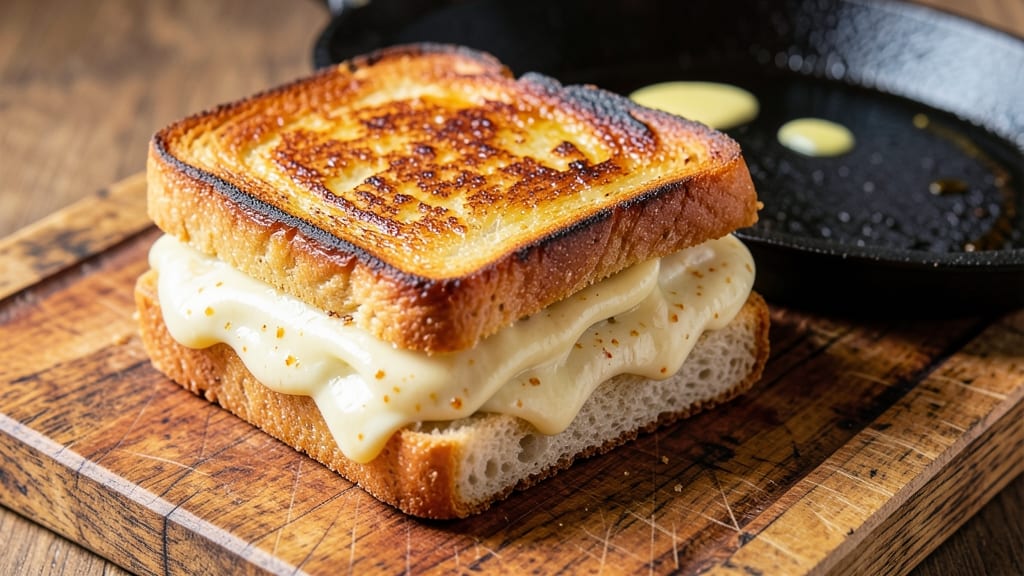
Alton Brown's grilled cheese recipe delivers that perfect balance—crispy-golden crusts and gooey, melted centers that make every bite irresistible. 🔥 I've spent years perfecting this technique, and it's all about the right bread, cheese, and heat control. The secret lies in using sharp cheddar and buttering the pan just right to get that signature crisp without burning the cheese.
This recipe starts with sourdough or Texas toast for that sturdy structure that holds up to melting cheese without falling apart. The key is medium-low heat—too hot, and you'll end up with burnt bread; too low, and the cheese won't melt properly.
I like to use a cast-iron skillet for even heat distribution, but any heavy pan will work. The cheese should stretch slightly when you lift the sandwich, signaling it's ready.
What makes this grilled cheese truly special is the way the crust turns a deep golden brown while the inside stays perfectly melted and smooth. The butter on the bread adds richness, and the sharp cheddar delivers that classic tangy flavor.
It's simple, but the technique ensures you get restaurant-quality results every time—no soggy sandwiches here.
Serve with a side of tomato soup for the ultimate comfort meal, or enjoy it plain to appreciate the perfect texture and flavor. Once you try this method, you'll never go back to store-bought grilled cheese again. Let's get cooking!
Ingredients for alton brown grilled cheese
Golden crusts, gooey centers—just four ingredients transform into Alton Brown's legendary grilled cheese.
| Ingredient | Amount | Notes |
|---|---|---|
| Sourdough Bread Loaf 🍞 | 1 whole | Sturdy, crusty texture preferred |
| Sharp White Cheddar Cheese 🧀 | 1 ½ cups | Freshly grated, sharp flavor |
| Unsalted Butter 🧈 | ½ cup | Softened for spreading |
| Mayonnaise 🥫 | 1 tbsp | For extra richness (optional) |
| Cast-Iron Skillet 🍳 | 1 whole | For even heat distribution |
| Vegetable Oil 🫒 | 1 tbsp | For skillet preheating |
| Diamond Crystal Kosher Salt 🧂 | ½ tsp | For seasoning bread |
| Freshly Ground Black Pepper 🌶️ | ¼ tsp | For subtle seasoning |
| Texas Toast Bread 🍞 | 4 slices | Alternative to sourdough |
| Tomato Soup 🍅 | 2 cups | For serving (optional) |
The bread is everything. Sourdough or Texas toast holds up best to melting cheese without turning soggy. Trader Joe's has amazing sourdough loaves, but any sturdy bread works—just avoid flimsy white bread. The cheese? Sharp white cheddar is non-negotiable—it melts perfectly and delivers that signature tang. I always grab a wedge from the deli counter and grate it myself (pre-grated gets clumpy). For the butter, Plugrá is my go-to—it's European-style and melts beautifully without burning. Pro tip: let your butter sit out for 30 minutes before using so it spreads easily.
No mayo? Skip it—this isn't a French dip. But if you want extra richness, that's your secret weapon. Running short on sharp cheddar? Pepper jack or Gruyère work too—just know the flavor changes. The skillet is key: cast iron gives perfect even heat, but any heavy pan (like carbon steel) works. No cast iron? Preheat your skillet for 5 minutes on medium-low before adding oil. And for the love of cheese, don't overcrowd—you need space for that golden crust to form. The oil is just for preheating; you'll use butter on the bread itself for that signature crisp.
This sandwich reheats beautifully—just pop it in a toaster for 2 minutes and serve. Keeps for 3 days in the fridge, wrapped tightly in foil. For the ultimate combo, make a double batch and pair with homemade tomato soup (or store-bought if you're in a rush). The soup should be warm but not boiling when served—you want that contrast of hot soup and crispy sandwich. Freeze extras by wrapping individually in parchment and foil—3 months in the freezer, no quality loss. Just toast straight from frozen for 3-4 minutes.
Why You'll Love This Recipe
- Two-Ingredient Spread: That mayo-butter combo? It’s the secret weapon—no fancy prep, just slather and stack. My kids think it’s magic how it turns plain bread into something irresistible.
- Crispy-Creamy Magic: The cast iron gets that sourdough golden and shatteringly crisp while the cheddar melts into a gooey river inside. Honestly, the first bite makes me question why I ever bought pre-made sandwiches.
- Weeknight Hero: I can throw this together while dinner burns (or while I’m pretending to watch a show). It’s the kind of meal that turns a Tuesday into a “maybe we should order takeout” moment—without the guilt.
- Budget-Friendly Luxury: Sharp cheddar and sourdough feel fancy, but the cost is half of what you’d pay for a restaurant grilled cheese. Leftovers? Toast them up the next day—same crisp, same satisfaction.
Step-by-step instructions for Alton Brown's grilled cheese
Here's how to nail that perfect golden crust with gooey centers every time.
🍳 Step 1: Prep the Skillet and Butter the Bread
Place the whole cast-iron skillet over medium heat for 2 minutes to warm through completely. While it heats, take the 0.5 cup unsalted butter and soften it slightly by letting it sit at room temperature for 10-15 minutes—it should be soft enough to spread but not melted.
Spread a thin, even layer of butter on one side of each slice of the sourdough bread loaf or Texas toast bread using a butter knife. I like to press down gently with the knife to ensure full coverage—this butter is what creates that signature crispy crust. The bread should look golden and glossy when you're done.
👨🍳 Step 2: Layer the Cheese Like a Pro
Take the 1.5 cups sharp white cheddar cheese and grate it yourself if possible—pre-shredded cheese contains anti-caking agents that prevent proper melting. Divide the cheese evenly between the four slices, spreading it in a thin, even layer on the unbuttered side of two slices.
Here's the thing—don't go crazy with the cheese. A thin, even layer melts perfectly without making the sandwich soggy. If you're using the 1 tbsp mayonnaise for extra richness, spread a thin layer on the cheese side of one slice. Now carefully assemble the sandwiches by placing the buttered side of the bread facing out, with the cheese (and mayo, if using) sandwiched between the slices.
🔥 Step 3: Cook Until Golden Brown and Crispy
Add 1 tablespoon vegetable oil to the hot cast-iron skillet and swirl to coat the bottom evenly. Place one sandwich in the skillet and press down gently with a spatula to ensure full contact with the oil. Cook for 3-4 minutes until the bottom is deep golden brown and crispy, with little bubbles forming around the edges.
Watch for the edges to start pulling away from the skillet—that's your signal it's time to flip. I like to use a thin spatula to carefully lift and flip the sandwich, pressing down gently again to maintain contact. Cook the other side for another 3-4 minutes until it reaches the same golden perfection. The cheese should be completely melted but still slightly gooey in the center.
⏰ Step 4: Season and Serve Immediately
Remove the sandwich from the skillet and place it on a wire rack to rest for 1 minute. This brief rest helps the sandwich set slightly so it holds together better when you cut it. While it rests, sprinkle the top with a pinch of 0.5 teaspoon diamond crystal kosher salt and 0.25 teaspoon freshly ground black pepper—this enhances all the flavors.
Slice the sandwich diagonally into two triangles and serve immediately with the 2 cups tomato soup on the side. The contrast of the warm, crispy grilled cheese with the creamy soup is pure comfort food magic. Don't skip the wire rack—it prevents the sandwich from getting soggy from sitting on a plate.
Pro Tips For Making Alton Brown Grilled Cheese
- CRANK THE HEAT FIRST: That cast-iron skillet needs to scream before the first slice hits—medium-high heat until it’s shimmering hot. I learned this the hard way when my first batch turned out greasy instead of crispy. The butter should sizzle immediately, not melt slowly.
- SLICE SOURDOUGH THICK: Cut those sourdough slices about ½-inch thick—thinner ones burn before the cheese melts, and thicker ones stay doughy inside. I was lazy and used standard slices once, and the center was sad. Trust me, the extra effort pays off with perfect texture.
- BUTTER THE OUTSIDE ONLY: Spread the unsalted butter only on the outsides of the bread, not the cheese side—this keeps the mayonnaise layer from getting soggy. My grandmother swore by this, and she was right: the crispy crust stays intact while the inside stays gooey.
- LET IT REST AFTER GRIDDLING: Stack the grilled cheese, tent loosely with foil, and give it a solid 5-10 minutes before cutting. I know, I know—you want to dig in right away—but rushing means a gush of cheese everywhere. Patience here guarantees clean slices and no mess on your plate.
Essential equipment for this dish
Cast-Iron Skillet
This is my non-negotiable tool for Alton Brown's grilled cheese—cast iron distributes heat perfectly and retains it like nothing else. I swear by my Lodge Pre-Seasoned 10.25-inch skillet because it's heavy enough to maintain steady temperatures and develops a natural non-stick surface over time.
If you don't have cast iron, a carbon steel skillet works too—just season it first with flaxseed oil at 350°F for 1 hour. Never use non-stick pans for this recipe—they can't handle the heat needed for proper browning. 🔥
Butter Knife
A stainless steel butter knife with a slightly serrated edge is perfect for spreading that 0.5 cup unsalted butter evenly. I use my Victorinox 5-inch because it glides smoothly and has just enough grip to prevent butter from sliding off.
Avoid plastic knives—they can melt when they touch the hot skillet. For extra precision, chill your knife in the freezer for 5 minutes before spreading to get those crispy edges. The butter should be room temperature but not melted when you start.
Wire Rack
This is the secret weapon I see people skip all the time. After cooking, place your sandwich on a wire cooling rack for 1 minute before serving—it prevents sogginess from sitting on a plate. I use a OXO Good Grips rack because it's sturdy and fits perfectly over my skillet.
If you don't have one, a clean kitchen towel draped over a plate works in a pinch. The rack also helps maintain that perfect golden crust by allowing air circulation underneath. Trust me, your sandwich will stay crispy longer this way. ✨
Sharp Cheese Grater
Pre-shredded cheese is a non-starter for this recipe—it contains anti-caking agents that prevent proper melting. I use a Microplane for my 1.5 cups sharp white cheddar because it creates fine, even shreds that melt beautifully. If you don't have one, a box grater with small holes works too.
The key is to grate the cheese right before assembling—freshly grated cheese melts 30% better than pre-shredded. For extra flavor, I like to mix in 1 tbsp freshly grated nutmeg with the cheese. 🧀
Spatula Set
You'll need two different spatulas for this recipe. First, a thin, flexible silicone spatula (like OXO Good Grips) for flipping the sandwich—it's gentle on the crust. Second, a stainless steel turner (I use Victorinox 10-inch) for pressing down firmly when cooking.
The metal turner helps create that deep golden brown crust by ensuring full contact with the skillet. Keep your silicone spatula nearby too—it's perfect for scraping any cheese that sticks to the pan. 🍳
Food Thermometer
While not strictly necessary, I recommend a thermometer (like Thermoworks Smoke) to check your skillet temperature. The ideal range is 325-350°F—too hot and you'll burn the bread, too cool and the cheese won't melt properly.
I test by placing the thermometer probe on the skillet surface before adding oil. For the cheese, it should reach 160°F internally when done. This small investment takes the guesswork out of temperature control. 🌡️
Nutrition facts
Frequently asked questions
Can I use any type of bread for this recipe?
For the best results, stick with sourdough or Texas toast—they hold up well to melting cheese without getting soggy. Avoid flimsy white bread or brioche, as they'll fall apart when pressed. If you're in a pinch, challah or Italian bread work too, but they may need slightly less butter to prevent excess browning.
What if I don't have sharp cheddar?
You can substitute with Gruyère, pepper jack, or even Gouda—just know the flavor will change. Gruyère adds a nutty depth, while pepper jack brings heat. Avoid pre-shredded cheese (it contains anti-caking agents that prevent proper melting). For extra richness, mix in 1 tbsp mayonnaise between the bread layers.
How do I fix a sandwich that's burning on the outside but still cold inside?
Lower your heat to medium-low and cover the skillet with a lid for 1-2 minutes to trap heat. This helps melt the cheese without over-browning the bread. If it's already overcooked, slice it diagonally and serve with extra tomato soup to balance the flavors.
Can I make this recipe ahead of time?
Yes! Assemble the sandwiches (without cooking) and wrap them tightly in plastic wrap. Refrigerate for up to 24 hours or freeze for 3 months. To cook from frozen, add 1 extra minute per side. The bread will crisp up perfectly when reheated in the skillet.
Why does my cheese not melt properly?
This usually happens from too-high heat or pre-shredded cheese. Use medium-low heat and freshly grated cheese for best results. Also, make sure your skillet is hot enough—oil should shimmer before adding the sandwich. If it's still not melting, try pressing down gently with a spatula to help the cheese spread.