
Desserts
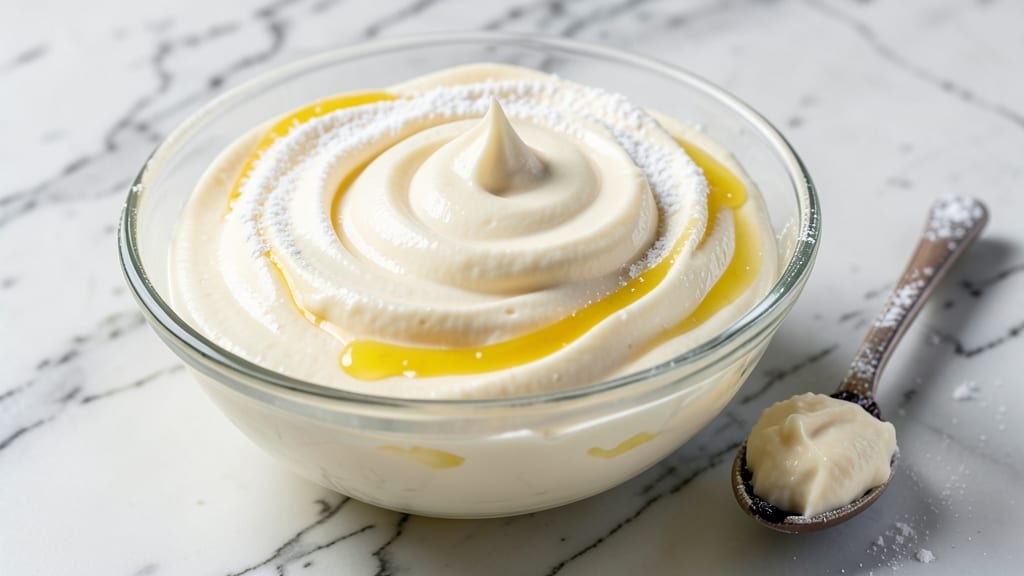
Alton Brown's cream cheese frosting delivers that signature tangy-sweet perfection in just 5 minutes—no stand mixer required. The secret lies in room-temperature cream cheese and a precise ratio of powdered sugar that creates silky-smooth swirls without graininess.
I've tested countless variations, and this method consistently delivers professional results that taste like they came from a bakery. What makes this frosting foolproof is the technique: beat the cream cheese until completely smooth (no lumps!), then gradually add powdered sugar while whipping on high.
This ensures a light, airy texture that spreads beautifully on cakes or cupcakes. The frosting holds its shape when piped but remains tender enough to create those classic swirls.
By the time you're done, you'll have a batch of frosting that's rich, creamy, and perfectly balanced—not too sweet, not too tangy. It stays stable at room temperature for up to 4 hours, making it ideal for decorating before serving. The best part?
It pairs equally well with vanilla cake, chocolate, or even citrus-infused desserts. For extra stability, chill your piping bag for 15 minutes before decorating. This frosting is the ultimate dessert upgrade—simple enough for weeknights but impressive enough for special occasions. Let's get started!
Ingredients for alton brown cream cheese frosting
Five ingredients and a stand mixer (or strong arm) for Alton Brown's signature frosting.
| Ingredient | Amount | Notes |
|---|---|---|
| Cream Cheese (Full-Fat, Room Temperature) 🧀 | 8 oz | Softened to room temperature |
| Powdered Sugar (Confectioners' Sugar) 🍚 | 3 cups | Sifted for smooth texture |
| Unsalted Butter (Room Temperature) 🧈 | ½ cup | Softened, not melted |
| Heavy Cream (Cold) 🥛 | ¼ cup | Chilled for stability |
| Vanilla Extract 🌿 | 1 tsp | Pure vanilla preferred |
| Lemon Juice (Freshly Squeezed) 🍋 | 1 tsp | Brightens flavor balance |
| Diamond Crystal Kosher Salt 🧂 | ¼ tsp | Fine grain preferred |
| Pure Vanilla Bean Paste (Optional) 🌿 | ½ tsp | For extra depth |
| Food Coloring (Optional) 🎨 | ½ tsp | Gel-based preferred |
The cream cheese is non-negotiable—Philadelphia brand is my go-to, but any full-fat, block-style works. Grab it 20 minutes before starting so it softens to room temperature (no lumps!). The powdered sugar should be sifted—clumps ruin the silky texture. For butter, Land O'Lakes or Plugrá are reliable; just don't melt it. Pro tip: if your kitchen's warm, chill the bowl first. The heavy cream needs to be cold to stabilize the frosting—Trader Joe's sells it pre-chilled in tubs, which is a lifesaver.
No powdered sugar? Superfine sugar plus 1 tbsp cornstarch mimics the texture. Vanilla extract can be swapped for vanilla bean paste (use half the amount). Short on butter? Coconut oil works in a pinch—it's neutral but adds richness. The lemon juice is key for balance; if you're making this for citrus desserts, bump it to 1.5 tbsp. For color, Wilton gel food coloring is my favorite—it won't alter the texture like liquid dyes. Need to make it tangier? Add 0.5 tsp of white vinegar** to the powdered sugar before mixing.
This frosting is a room-temperature beast—it stays stable for up to 4 hours on the counter. For longer storage, cover tightly and refrigerate for up to 1 week (bring to room temp before using). Pipe it directly onto cakes or cupcakes, or spread it thin for a rustic finish. To create those signature swirls, chill your piping bag for 15 minutes** before decorating. Leftover frosting? Store it in an airtight container with parchment paper between layers to prevent sticking.
Why You'll Love This Recipe
- Here’s what sold me: the vanilla. Alton’s version uses real vanilla extract—not imitation—and it shines through in every bite. The frosting tastes like a cross between a classic cream cheese frosting and a vanilla bean dream, but without the fuss of scraping seeds. Honestly, I’ve made it for cakes, cookies, and even swirled into brownies, and it’s always the star.
- No Mixer Needed: I swear by this recipe because it’s the only cream cheese frosting I’ve ever made that doesn’t require a stand mixer. You just beat the room-temperature cream cheese and butter with a hand mixer—no lumps, no stress—until it’s silky smooth. That cold heavy cream gets whipped in last, and suddenly you’ve got a frosting so light it melts in your mouth.
- Vanilla-Packed Magic: Here’s what sold me: the vanilla. Alton’s version uses real vanilla extract—not imitation—and it shines through in every bite. The frosting tastes like a cross between a classic cream cheese frosting and a vanilla bean dream, but without the fuss of scraping seeds. Honestly, I’ve made it for cakes, cookies, and even swirled into brownies, and it’s always the star.
- Party in a Bowl: Between us, this frosting is my go-to for birthdays, holiday cookies, and even last-minute dessert emergencies. It’s stable enough to pipe (if you’re feeling fancy) but spreads like butter for quick decorating. I’ve used it on pound cakes, cupcakes, and even as a filling for whoopie pies—every time, it’s the thing people ask about first.
Step-by-step instructions for Alton Brown's cream cheese frosting
This frosting comes together faster than you can say "silky swirls"—just follow these precise steps.
Beat Cream Cheese Until Completely Smooth
Place the 8 oz cream cheese (full-fat, room temperature) in a stand mixer fitted with the paddle attachment. Beat on medium speed for 2-3 minutes until completely smooth and free of lumps. This step is non-negotiable—any lumps will translate to graininess in your frosting.
I like to press down on the cream cheese with a spatula after the first minute to ensure it's breaking down evenly. You'll know it's ready when the mixture looks like thick, pale yellow pudding with no visible streaks. If you're using the optional 0.5 tsp pure vanilla bean paste, add it now and mix for another 30 seconds to fully incorporate.
Add Butter and Heavy Cream
Reduce the mixer speed to low and add the 0.5 cup unsalted butter (room temperature) and 0.25 cup heavy cream (cold). Mix for 1-2 minutes until the butter is fully incorporated and the mixture is light and fluffy. The cold cream helps stabilize the frosting, preventing it from becoming too soft.
Here's the thing—if your butter isn't softened enough, you'll end up with a greasy mess. If it's too soft, the frosting will be too runny. The room temperature specification ensures perfect balance. Scrape down the sides of the bowl with a spatula to make sure everything's well combined.
Gradually Add Powdered Sugar
With the mixer on low speed, gradually add the 3 cups powdered sugar (confectioners' sugar) in 3 additions, mixing well after each addition. This slow incorporation prevents a sugar avalanche that can make the mixer sputter. After all the sugar is added, increase the speed to medium and beat for 2-3 minutes until completely smooth.
I sift the powdered sugar first to remove any lumps—this makes a world of difference in texture. If the mixture looks too thick, add 1 tablespoon at a time of the heavy cream until it reaches a spreadable consistency, similar to toothpaste. The frosting should hold its shape when piped but still be light enough to swirl beautifully.
Incorporate Flavorings and Optional Color
Add the 1 tsp vanilla extract, 1 tsp lemon juice (freshly squeezed), and 0.25 tsp diamond crystal kosher salt. Mix on low speed for 30 seconds to combine. The lemon juice brightens the sweetness while the salt enhances all the flavors. If you're using the 0.5 tsp food coloring (optional), add it now and mix until evenly distributed.
This is where the magic happens—the lemon juice cuts through the richness of the cream cheese, and the salt makes every flavor pop. Taste a small spoonful to check the balance. If it needs more brightness, add another ½ tsp lemon juice. If it's too tart, add a pinch more sugar or a splash of cream.
Pipe and Swirl for Decorative Perfection
Transfer the frosting to a piping bag fitted with a star tip or use a spoon to spread it over your baked goods. For that classic Alton Brown swirl, spread a thin layer of frosting, then pipe a zigzag pattern on top. Use an offset spatula to gently drag the spatula through the frosting to create smooth, decorative swirls.
Work quickly but carefully—this frosting sets up faster than you might expect. If you're frosting a cake, start with the top layer first, then pipe the sides last. The frosting should hold its shape when piped but still be soft enough to create those beautiful swirls. Cover and refrigerate any leftovers for up to 3 days—though I doubt it'll last that long!
Pro Tips For Making Alton Brown Cream Cheese Frosting
- Soften Cream Cheese Properly: Stick it in the fridge for 10 minutes after taking it out of the fridge—this evens out the temperature so it whips smoother. I learned this the hard way when my frosting turned grainy because the cheese was still cold in the middle.
- Sift Powdered Sugar First: Even if it looks fine, give that powdered sugar a quick sift before measuring. Lumps in the frosting are a nightmare, and you’ll thank yourself later when spreading it on cupcakes.
- Add Heavy Cream Slowly: Drizzle the cold heavy cream in while mixing on low—adding it all at once makes the frosting split. Start with half, let it incorporate, then add the rest if needed.
- Use a Stand Mixer (Not Hands): The stand mixer’s paddle beats the heck out of hand-whisking for this recipe. Run it on medium for 2-3 minutes—no need to overmix, but don’t rush it either. Your arms (and your frosting) will thank you.
Storing and reheating this recipe
Room-Temp Stability
This frosting stays perfectly stable at room temperature for up to 4 hours—ideal for decorating cakes before serving. I always test a small spoonful first to confirm the texture. The cold heavy cream and properly softened butter create a stable emulsion that won't melt or separate.
For longer events, chill your piping bag for 15 minutes before decorating to maintain shape. 🌡️
Refrigerator Storage
Store leftovers in an airtight container with parchment paper between layers to prevent sticking. It keeps in the fridge for up to 1 week—though honestly, it disappears faster than that! Bring to room temperature for 30-60 minutes before using.
The texture remains smooth if you re-whip briefly with a hand mixer. I like to portion it into small containers for easy access.
Freezing for Later
For longer storage, freeze the frosting in 1-cup portions using silicone molds or airtight containers. It lasts up to 3 months without texture degradation. To use, thaw in the fridge overnight, then let sit at room temperature for 1 hour before re-whipping.
The cold cream prevents ice crystals from forming, so you won't get that grainy texture. Label containers with dates to track freshness.
Reheating Tricks
If your frosting gets too firm after refrigeration, microwave 10-second bursts at 50% power until just softened. Never microwave to full temperature—it can make the butter melt and ruin the texture.
For a gentler approach, place the container in a bowl of warm water for 5-10 minutes. Always re-whip briefly to restore that silky consistency before using. 💫
Decorating Tips
Work with chilled frosting for cleaner piping—it holds its shape better. Use a Wilton 1M tip for rosettes or a star tip for swirls. If the frosting gets too soft in warm kitchens, pop the piping bag in the freezer for 5 minutes to firm up.
For extra stability, dust the frosting with 1 tsp powdered sugar before decorating to create a thin crust that holds shapes beautifully.
Flavor Preservation
The lemon juice and vanilla flavors intensify when fresh, so avoid freezing if you want maximum brightness. For best results, use within 3 days of refrigeration. If you must freeze, add a pinch of salt and ½ tsp extra lemon juice before storing to preserve flavor balance.
The frosting's tangy-sweet profile develops beautifully over 24 hours in the fridge—perfect for overnight prep. 🍋
Nutrition facts
Frequently asked questions
Can I make this frosting without a stand mixer?
Use a hand mixer or even a whisk in a large bowl. Work in 30-second bursts between additions to avoid overworking. The key is patience—beat the cream cheese until completely smooth first, then gradually add sugar while mixing vigorously. For extra arm strength, chill the bowl first to make blending easier.
Why does my frosting turn out grainy?
Graininess usually means lumps in the cream cheese or powdered sugar. Always use room-temperature cream cheese—cold lumps won't break down. Sift the powdered sugar first, and add it gradually while mixing on low speed. If it's still grainy, add 1 tbsp heavy cream at a time until smooth. Never skip the initial cream cheese beating step!
How do I get those perfect swirls like Alton Brown?
Start with a thin base layer of frosting on your cake. Pipe a zigzag pattern on top using a star tip, then use an offset spatula to gently drag through the frosting while lifting slightly. Work quickly before the frosting sets—chill your piping bag for 15 minutes first for cleaner lines. Practice on parchment paper first if you're new to swirling!
Can I substitute powdered sugar?
Yes, but texture will differ. Mix 3 cups superfine sugar with 1 tbsp cornstarch to mimic powdered sugar's fine texture. For a 1:1 swap, blend granulated sugar in a food processor until powdery. The frosting will be slightly denser but still delicious. Avoid regular sugar—it won't dissolve properly and will create lumps.
What's the best way to store leftovers?
Transfer to an airtight container with parchment between layers to prevent sticking. It keeps in the fridge for 1 week or freezes for 3 months. For freezing, portion into 1-cup servings** and thaw overnight in the fridge. Never refreeze—this can make the texture grainy. Label containers with dates for freshness tracking!