
Sauces & Condiments
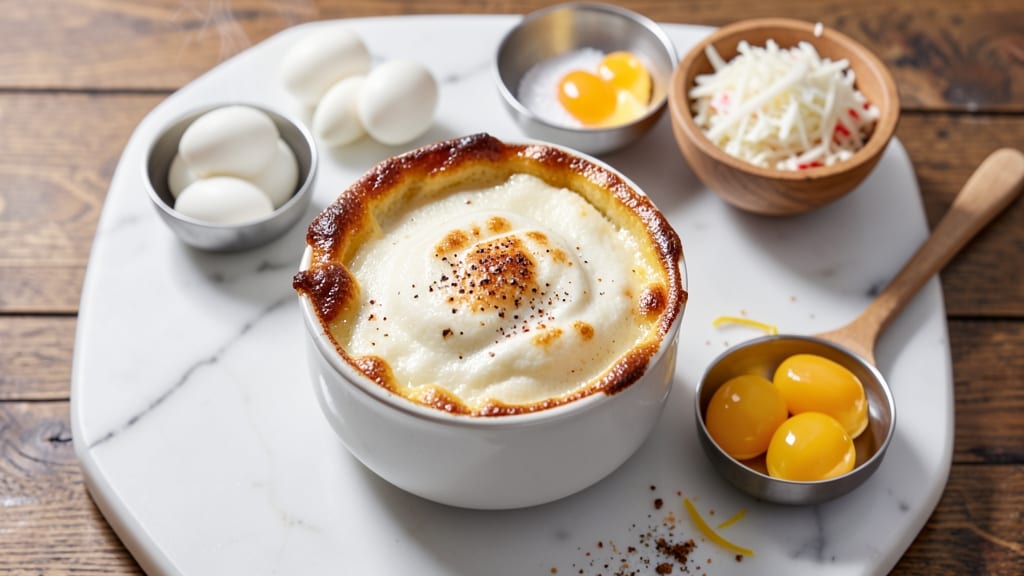
Mastering Alton Brown's cheese souffle delivers that crispy crown and light-as-air texture you've always craved. This classic French dessert transforms simple ingredients into a showstopping dish with precision techniques—egg separation, gentle folding, and exact oven temperatures. The secret lies in patience and technique, not just the recipe itself.
What sets this version apart is Alton Brown's signature approach to achieving the perfect soufflé: a foolproof method that minimizes risk while maximizing results. We'll focus on proper egg tempering, oven temperature control, and the art of folding cheese into the batter without deflating those crucial air pockets.
Even beginners can achieve restaurant-quality soufflés with these techniques.
The result is a soufflé with a golden, crispy exterior that gives way to a light, custardy interior—each bite reveals that perfect balance of texture and flavor.
The aroma alone as it bakes will have everyone gathered in your kitchen. This isn't just dessert; it's an experience that transforms ordinary weeknights into something special.
Serve immediately with a sprinkle of grated Parmesan or fresh herbs for that final touch of elegance. The timing is everything—once it leaves the oven, you have just minutes before it begins to deflate. Let's create something truly memorable with this classic recipe.
Ingredients for alton brown cheese souffle
Precision ingredients transform simple techniques into Alton Brown's signature crispy-crowned, airy soufflé.
| Ingredient | Amount | Notes |
|---|---|---|
| Large Egg Whites 🥚 | 6 whole | Room temperature, separated carefully |
| Large Egg Yolks 🥚 | 4 whole | Room temperature, separated carefully |
| Granulated Sugar 🍚 | ½ cup | Superfine preferred for dissolution |
| Unsalted Butter 🧈 | ½ cup | Cold, cubed for even melting |
| Sharp White Cheddar Cheese 🧀 | 1 ½ cups | Freshly grated, aged 6+ months |
| Kosher Salt 🧂 | ½ tsp | Diamond Crystal preferred |
| Heavy Cream 🥛 | ¼ cup | Cold, full-fat for stability |
| All-Purpose Flour 🌾 | 1 tbsp | Sifted for smooth batter |
| Lemon Juice 🍋 | 1 tsp | Freshly squeezed for acidity |
| Fresh Chives 🌿 | 2 tbsp | Finely chopped for garnish |
| Parmesan Cheese 🧀 | 2 tbsp | Freshly grated for serving |
| Cornstarch 🌾 | 1 tsp | For crispy crown enhancement |
The egg whites are the foundation—room temperature is critical for proper volume. Vital brand egg whites from the grocery store's refrigerated section work best, though fresh is ideal. For the cheese, aged white cheddar (6+ months) provides the perfect balance of sharpness and creaminess without overpowering. I always buy mine from Murray's Cheese or the specialty section at Whole Foods. The butter should be cold and cubed—this ensures proper emulsification without melting prematurely. Pro tip: Pat dry the butter cubes with paper towels to remove excess moisture that could interfere with the egg whites.
Substitutions require caution—egg substitutes like aquafaba won't achieve the same structure, though you can try adding 1 tbsp cream of tartar to stabilize them. For the cheese, Gruyère or Emmental work beautifully but melt differently, so reduce by 1 tbsp total for a lighter texture. The heavy cream can be swapped for half-and-half, though the soufflé will be slightly less stable. If you're short on chives, parsley or tarragon provide a similar fresh finish. For the sugar, turbinado sugar adds subtle caramel notes but may affect browning—reduce by 1 tsp if using.
Egg whites and yolks must be stored in their original cartons in the fridge—use within 3 days of opening for best results. The cheese keeps for 2 weeks in an airtight container in the fridge, while butter should be wrapped in parchment and stored in the freezer for up to 6 months. Pre-portion the dry ingredients (cornstarch, flour, sugar) in small containers to avoid measuring errors during the delicate folding process. The soufflé must be served immediately—no leftovers. For make-ahead prep, you can prepare the cheese mixture and store it in the fridge for 1 day, but the egg whites should be whipped fresh on baking day.
Why You'll Love This Recipe
- No Fuss Technique: I swear by this method—whisking egg whites to stiff peaks with just a hand mixer feels like cheating. The butter and sugar melt into the yolks while you fold, so no last-minute scrambling.
- Sharp Cheese Magic: That sharp white cheddar? It’s the secret weapon. The first bite hits with tangy brightness, then melts into something rich and almost custardy—like a hug for your taste buds.
- Weeknight Dinner Upgrade: Serve it solo for a fancy-sounding meal (yes, even on a Tuesday night) or pair it with roasted veggies for a full spread. The best part? It’s ready when your guests are.
- Budget-Friendly Luxury: Eggs, butter, and cheese are pantry staples—no fancy ingredients, just serious flavor. And leftovers? Reheat gently for breakfast or snack on slices straight from the fridge.
Step-by-step instructions for Alton Brown's cheese souffle
Mastering this classic requires precision—every step builds toward that signature crispy crown and airy interior.
Prepare the Egg Whites for Maximum Volume
Separate the 6 whole large egg whites from the yolks, ensuring no trace of yolk remains in the whites. Place both in separate bowls—room temperature eggs whip better. Using a fine-mesh sieve, strain the whites to eliminate any yolk fragments that could prevent proper stiff peaks.
In a spotlessly clean, grease-free bowl, beat the egg whites with an electric mixer on low speed until foamy. Gradually add the ½ cup granulated sugar while mixing on medium-high speed. Increase speed to high and whip until stiff, glossy meringue forms—when you lift the beaters, the peaks should stand straight and hold their shape. This takes about 5-7 minutes. Avoid overmixing; the meringue should remain smooth and not grainy.
Create the Cheese-Yolk Base
In a separate bowl, whisk together the 4 whole large egg yolks, ½ cup unsalted butter (cold, cubed), 1½ cups freshly grated sharp white cheddar cheese, ½ teaspoon kosher salt, ¼ cup heavy cream, 1 tablespoon sifted all-purpose flour, and 1 teaspoon freshly squeezed lemon juice. The butter should melt gradually from the heat of the yolks, creating a smooth, velvety mixture.
Strain this mixture through a fine-mesh sieve into a clean bowl to remove any cheese lumps. Gently fold one-third of the meringue into the cheese mixture using a spatula, cutting through the center and lifting the bottom to incorporate fully. This step ensures the meringue blends without deflating the air already incorporated.
Fold the Remaining Meringue
Add the remaining meringue in two additions, folding gently but thoroughly after each. Work quickly but deliberately—this is where the soufflé’s structure forms. The batter should be smooth, thick, and glossy, with no visible streaks of egg white or cheese. If the batter feels too stiff, fold in 1 tablespoon reserved meringue to lighten it.
For the crispy crown, mix 1 teaspoon cornstarch with 2 tablespoons freshly grated Parmesan cheese in a small bowl. Sprinkle this mixture evenly over the top of the batter, then gently swirl with a knife to distribute. This creates the signature crunchy exterior while keeping the interior light.
Bake to Perfection
Preheat the oven to 375°F and place a rack in the center position. Grease a 6-cup soufflé dish lightly with butter, then dust with flour, tapping out any excess. Spoon the batter into the dish, filling it ¾ full—overfilling causes collapse. Bake for 15-18 minutes until the top is deep golden brown and the soufflé has puffed to its full height.
Remove the soufflé immediately and serve without delay—it begins deflating as soon as it leaves the oven. Garnish with 2 tablespoons finely chopped fresh chives for color and freshness. The interior should be light, custard-like, while the crown remains crispy and golden. Timing is critical: serve within 10 minutes of baking for the best texture.
Pro Tips For Making Alton Brown Cheese Souffle
- Preheat to 400°F: DESCRIPTION: No guessing—your oven has to hit 400°F before the soufflé goes in. I learned this after a batch collapsed mid-rise because the oven was still warming up. Use an oven thermometer if yours lies; this isn’t the time for assumptions.
- Grate Cheese Like Your Life Depends on It: DESCRIPTION: Sharp white cheddar needs to be finely grated—think powdery, not shaved-onto-a-pizza fine. A microplane or food processor works best. Lumpy cheese = uneven texture, and nobody wants that in a soufflé. (Yes, even if you’re in a hurry.)
- Fold in the Cheese Gently: DESCRIPTION: When mixing the cheese into the egg yolk mixture, use a spatula and fold like you’re tucking in a blanket—not stirring like you’re making pancake batter. Overmixing = tough soufflé. Stop when the cheese is just distributed, not dissolved.
- Butter the Ramekins Like a Pro: DESCRIPTION: Skip the lazy butter rub—melt 1 tsp of the recipe’s butter, swirl it around the ramekin, then tip it out. This coats every inch better than a dry brush. No sticking, no cleanup, and your soufflé will release like a dream. (Trust me, I’ve cried over stuck soufflés.)
Troubleshooting great alton brown cheese souffle
Flat Soufflé Fix
If your soufflé fails to rise, the egg whites likely weren't whipped to stiff peaks or were overmixed. I've found that using a clean, grease-free bowl and mixing on medium-high speed for 5-7 minutes makes all the difference.
Also, ensure your oven is fully preheated—cold spots can prevent proper expansion. For extra insurance, add 1 teaspoon cornstarch to the meringue for stability. 🌟
Overbrowning Solution
Too much heat causes that unattractive dark crust. Alton Brown recommends baking at 375°F for 15-18 minutes—no higher! If your oven runs hot, reduce the temperature by 25°F and add an aluminum foil tent over the soufflé during the last 5 minutes of baking.
For an even better finish, brush the top with a little heavy cream before baking to create a protective barrier.
Cheese Clumps
Lumpy cheese ruins the texture. Always use freshly grated cheese (pre-shredded contains anti-caking agents that prevent smooth folding). I recommend grating your own using a microplane or fine grater. For extra insurance, strain the cheese mixture through a fine-mesh sieve before folding with the meringue.
If you're in a hurry, pulse the cheese in a food processor for 10 seconds to break up any remaining clumps.
Deflating Too Fast
Soufflés begin deflating immediately after baking. To slow this process, chill the batter in the fridge for 10 minutes before baking—this helps create a more stable structure. Also, serve the soufflé right from the oven while it's still hot.
If you must transport it, place the dish in a warm oven (170°F) for up to 5 minutes to maintain heat and texture.
Uneven Rise
Uneven baking often results from uneven heat distribution. Place your soufflé dish on a baking sheet lined with parchment paper to catch any potential spills. For extra evenness, rotate the dish halfway through baking (every 8-9 minutes).
I also recommend using a 6-cup soufflé dish—smaller or larger dishes can cause inconsistent results. 💡
Sticky Batter
If your batter feels too thick, it's likely under-mixed. Gently fold in 1 tablespoon reserved meringue to lighten the texture. For extra insurance, whisk the egg yolks with the butter until completely emulsified before combining with the cheese.
If the batter still feels too stiff, add 1 teaspoon heavy cream at a time until it reaches a smooth, pourable consistency. This ensures proper folding without deflating the meringue.
Nutrition facts
Frequently asked questions
Can I make this cheese souffle without a soufflé dish?
Use a 6-cup heatproof ramekin or even a small oven-safe bowl. Just make sure it's greased and floured to prevent sticking. For extra insurance, place your dish on a baking sheet to catch any potential spills during the dramatic rise. The key is filling it only ¾ full—never to the top—to allow proper expansion.
Why does my cheese souffle collapse immediately after baking?
This usually happens when the egg whites weren't whipped to stiff peaks or the oven wasn't fully preheated. Alton Brown's method emphasizes a 375°F oven and room-temperature eggs. Also, avoid opening the oven door during baking—temperature fluctuations cause collapse. For extra stability, chill the batter for 10 minutes before baking.
What's the best cheese substitute if I don't have sharp white cheddar?
For similar results, try Gruyère or Emmental—both melt beautifully and add depth. If you're using Gruyère, reduce the amount by 1 tablespoon since it's more pungent. Avoid pre-shredded cheese (it contains anti-caking agents that prevent smooth folding). For a dairy-free option, try nutritional yeast mixed with a little lemon juice for tang.
Can I make this souffle ahead of time?
No—soufflés must be baked and served immediately! However, you can prep the cheese mixture (without egg whites) up to 1 day ahead and store it in the fridge. On baking day, whip the egg whites fresh and fold everything together just before baking. The magic happens in those final minutes in the oven—never try to reheat a collapsed soufflé.
How do I get that perfect crispy crown like Alton Brown's?
The secret is the cornstarch-Parmesan topping! Mix 1 tsp cornstarch with 2 tbsp grated Parmesan and sprinkle it on top before baking. This creates a crispy, caramelized crust while keeping the interior light. For extra shine, brush the top with a little heavy cream before baking—it creates a protective barrier against overbrowning.