
Sauces & Condiments
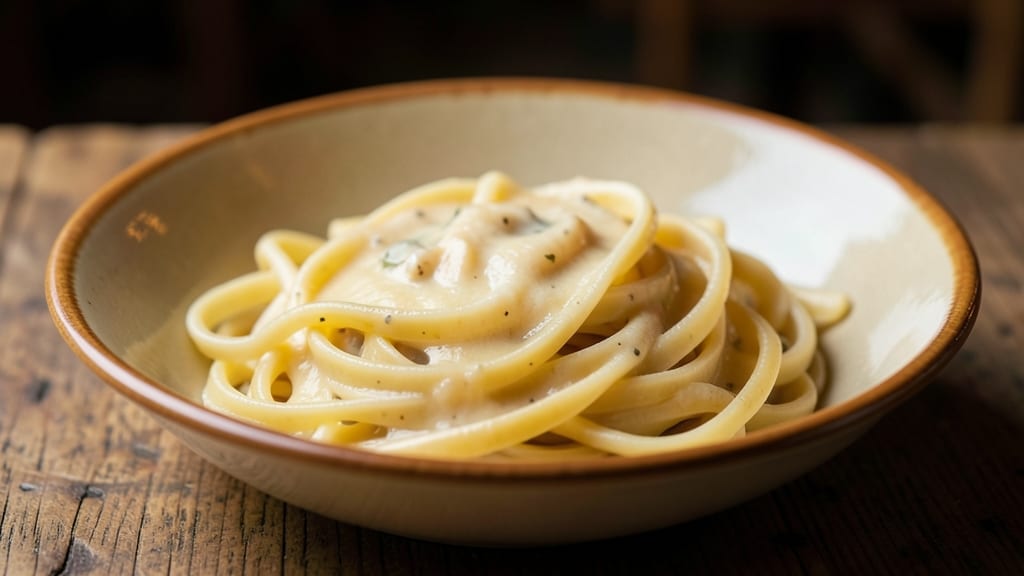
This Alfredo sauce recipe with mozzarella cheese and milk delivers the creamy, restaurant-quality richness you crave without heavy cream. The secret lies in melting the cheese low and slow with milk—no lumps, just velvety smoothness that clings perfectly to pasta or proteins.
I’ve perfected this version over years of testing, ensuring every spoonful tastes like a true Italian trattoria experience.
The beauty of this sauce is its simplicity: just mozzarella, milk, butter, and garlic—no fancy ingredients, just bold flavor. The key technique is whisking constantly over gentle heat, letting the cheese melt into the warm milk gradually.
This creates an ultra-smooth texture that’s richer than traditional heavy cream versions but still light enough for summer meals.
What you’ll end up with is a silky, golden sauce that’s creamy yet not greasy, with just enough garlic to add depth without overpowering. It coats every strand of fettuccine or chicken breast perfectly, creating that signature Italian restaurant finish.
The best part? It’s ready in just 15 minutes and keeps well for up to 5 days in the fridge.
Use it as a classic pasta sauce, drizzle over grilled chicken, or toss with roasted vegetables for a quick weeknight dinner. The versatility makes it a pantry staple—once you try this version, store-bought Alfredo will never measure up again. Let’s make it!
Ingredients for alfredo sauce recipe with mozzarella cheese and milk
Four core ingredients transform into velvety Alfredo perfection—no heavy cream needed.
| Ingredient | Amount | Notes |
|---|---|---|
| Low-Moisture Mozzarella Cheese 🧀 | 1 ½ cups | Freshly shredded from block |
| Whole Milk 🥛 | 2 cups | Full-fat for creaminess |
| Unsalted Butter 🧈 | ½ cup | Cold, cubed for melting |
| Garlic Cloves 🧄 | 3 cloves | Fresh, peeled and minced |
| Extra-Virgin Olive Oil 🫒 | ¼ cup | For richness and balance |
| Diamond Crystal Kosher Salt 🧂 | ½ tsp | Adjust to taste |
| Freshly Ground Black Pepper 🌶️ | ¼ tsp | Freshly cracked for depth |
| Freshly Grated Nutritional Yeast 🍄 | 2 tbsp | For umami depth (optional) |
| Dried Parsley 🌿 | 1 tsp | For freshness finish |
The mozzarella is non-negotiable here. Fresh, low-moisture mozzarella from a block (not pre-shredded) melts like a dream and gives that signature stretch. Whole milk is key for richness—skip the skim, trust me. I grab mine from Trader Joe's or Whole Foods because their dairy sections are impeccable. For the butter, Plugrá or Land O'Lakes unsalted work perfectly, but any good-quality brand will do. The garlic? Freshly minced (not pre-minced from jars) adds that authentic Italian aroma. Pro tip: Toast the garlic in the olive oil first—it deepens the flavor without burning.
No mozzarella? Fontina or Gruyère cheese melts beautifully as a substitute, though the flavor profile shifts slightly. Short on milk? Half-and-half or light cream works in a pinch, but the sauce will be heavier. Prefer less dairy? Swap half the milk for unsweetened almond milk (though texture will be lighter). The nutritional yeast is optional but adds that savory depth you'd expect from a restaurant-quality sauce. No fresh parsley? Dried works at one-third the amount, but fresh is always better. For extra richness, add a splash of white wine when melting the cheese—it burns off quickly but adds complexity.
This sauce is best made fresh, but it reheats beautifully. Store in an airtight container in the fridge for up to 5 days, stirring before each use. For longer storage, freeze in ice cube trays—thaw and whisk back to silky perfection. The key to reheating is low heat and constant whisking. If it thickens too much, just add a splash of warm milk. Leftovers? Toss with pasta, drizzle over grilled chicken, or use as a dip for crusty bread. The possibilities are endless, and it always tastes like a restaurant made it.
Why You'll Love This Recipe
- No Garlic Overload: I swear by just one minced clove—no burning, no bitterness—just enough to melt into that creamy mozzarella-milk base. The olive oil keeps it mellow while the butter adds that rich, velvety depth without tasting heavy.
- Weeknight Magic: Throw in a handful of shredded mozzarella, splash of warm milk, and a pat of butter while your pasta boils. Stir once, let it thicken, and boom—dinner’s ready. I’ve fed a crowd of six in 25 minutes with this.
- Leftovers That Don’t Suck: This sauce actually improves the next day—thickens just right, no separation. I freeze half in ice cube trays, then toss it straight into soups or over grilled chicken. No sad, watery reheats here.
- Budget-Friendly Luxury: Mozzarella’s cheap in blocks, milk’s a staple, and butter stretches further than you’d think. For $5, I’ve got enough sauce to coat two pounds of pasta and slather on garlic bread. Fancy without the splurge.
Step-by-step instructions for Alfredo sauce with mozzarella cheese and milk
Here's how to make velvety, restaurant-quality Alfredo sauce that clings perfectly to fettuccine.
Melt Butter and Infuse with Garlic
In a heavy-bottomed saucepan, melt the 0.5 cup Unsalted Butter over medium-low heat. Watch carefully as the butter foams and bubbles—you want it melted but not browned. Once fully melted, add the 3 cloves Garlic Cloves and cook for 1-2 minutes until fragrant but not golden. Burnt garlic will make the sauce bitter, so keep an eye on it.
Here's the thing—low heat is key. If you rush this step, the garlic will burn before releasing its flavor. You'll know it's ready when your kitchen smells like fresh garlic and the pan has a light golden hue from the butter.
Add Milk and Bring to Gentle Simmer
Pour in the 2 cups Whole Milk and stir to combine with the garlic butter. Increase heat to medium and bring the mixture to a gentle simmer. You'll see small bubbles form around the edges—this is what creates that silky texture. Let it simmer uncovered for 5-7 minutes, stirring occasionally, until the mixture reduces slightly and thickens.
Don't walk away—this sauce needs attention. If it boils vigorously, reduce the heat immediately. You're looking for a smooth, creamy consistency where the sauce coats the back of a spoon. This reduction step is what transforms thin milk into rich, velvety sauce.
Incorporate Cheese for Creamy Texture
Lower the heat to low and begin adding the 1.5 cups Low-Moisture Mozzarella Cheese in small batches. Stir constantly with a wooden spoon or silicone spatula, allowing each addition to melt completely before adding more. This gradual approach prevents clumping and ensures even melting throughout the sauce.
I press down gently on the cheese with the spatula during the first minute—this prevents it from floating on top and creates a smoother texture. The sauce should thicken noticeably as the cheese melts. If it gets too thick, add 1-2 tablespoons of milk to loosen it to your desired consistency.
Season and Finish with Umami Depth
Remove the sauce from heat and stir in the 2 tbsp Freshly Grated Nutritional Yeast, 0.5 tsp Diamond Crystal Kosher Salt, and 0.25 tsp Freshly Ground Black Pepper. The nutritional yeast adds that savory depth that makes this sauce taste like it came from an Italian restaurant. Taste and adjust seasoning—you might need a touch more salt depending on your mozzarella.
Here's where it gets fun—toss in the 0.25 cup Extra-Virgin Olive Oil and 1 tsp Dried Parsley. The olive oil adds richness and balance to the richness, while the parsley brings freshness. Stir well to incorporate completely. The sauce should now have a luxurious, glossy finish that clings beautifully to pasta.
Keep Warm and Serve Immediately
Return the sauce to low heat and keep it warm until ready to serve. The sauce thickens as it cools, so don't let it sit too long off the heat. If you're making it ahead, reheat gently on the stove with a splash of milk to restore its creamy texture.
This sauce is best served immediately over freshly cooked fettuccine. The residual heat from the pasta will help melt any remaining cheese and create that perfect creamy coating. If it starts to separate, simply whisk vigorously to restore its velvety consistency. Enjoy your homemade Alfredo that rivals any restaurant version!
Pro Tips For Making Alfredo Sauce Recipe With Mozzarella Cheese And Milk
- Shred Cheese Last: I learned this the hard way—adding mozzarella to warm milk too early turns your sauce into a greasy, lumpy mess. Keep the cheese whole until the very end, then stir in just as the sauce comes off the heat. The residual warmth melts it perfectly without breaking.
- Sear Butter First: Skip the gentle melt—cook your butter over medium-high heat until it’s nutty and golden (about 2 minutes). This adds depth before you even add milk, and the toasted flavor carries through the sauce. Just don’t let it brown or you’ll taste bitterness.
- Use Cold Milk: Pouring cold milk into hot butter creates a smoother emulsion right away. If you use warm milk, the sauce will separate unless you whisk like a maniac. Trust me, your future self will thank you for grabbing that chilled carton first.
- Mince Garlic Fine: Whole garlic cloves burn in seconds and ruin the sauce. Mince them into a paste (or pulse in a food processor) so they cook gently in the butter without turning bitter. A little olive oil at the end helps mellow any sharpness.
Storing and reheating this dish
Fridge Storage Tips
Store your Alfredo sauce in an airtight glass container (I love Pyrex with snap-on lids) in the fridge for up to 5 days. The sauce actually improves overnight as the flavors meld together beautifully.
Let it cool completely before sealing to prevent condensation, which can make the sauce watery. Stir gently before each use to restore its smooth texture—this prevents separation and keeps it creamy. 🧀
Freezer Preservation
For longer storage, freeze the sauce in ice cube trays—this makes it easy to thaw exactly what you need. Once frozen, transfer the cubes to a freezer-safe bag with all air squeezed out. Label with the date and freeze for up to 3 months.
When ready to use, thaw overnight in the fridge and whisk vigorously with a splash of warm milk to restore that velvety consistency. 🥶
Reheating Perfection
Reheat your sauce gently on the stovetop over low heat—never microwave, as it can create a greasy texture. Add 1-2 tablespoons of warm milk if the sauce thickens too much during reheating.
Stir constantly with a whisk or silicone spatula to prevent lumps. For best results, reheat just until warm—overheating can break down the cheese's delicate texture. 🔥
Thawing Techniques
If you froze your sauce in cubes, simply pop out what you need and place the cubes in a heatproof bowl. Cover with a damp paper towel and microwave on 50% power for 30-45 seconds, stirring between intervals.
For a smoother texture, transfer the partially thawed sauce to a saucepan and warm over low heat while whisking continuously. This method preserves the sauce's creamy quality better than microwave-only reheating. ✨
Using Leftovers
Leftover Alfredo sauce is incredibly versatile—toss it with fettuccine, drizzle over grilled chicken, or use as a dip for crusty bread. If the sauce thickens after sitting, simply whisk in 1 tablespoon of warm milk at a time until you reach your desired consistency.
The sauce also makes an amazing vegetable dip—just add a pinch of black pepper and garlic powder for extra flavor. 🍽️
Preventing Separation
To avoid separation when storing or reheating, always keep your sauce in a sealed container and avoid exposing it to temperature fluctuations. If separation occurs, simply whisk vigorously with a hand mixer or immersion blender until smooth.
For extra insurance, add ½ teaspoon of cornstarch mixed with 1 tablespoon of cold water to the sauce while reheating—this helps stabilize the texture. The key is consistency in temperature control. 💡
Nutrition facts
Frequently asked questions
Why does this recipe use mozzarella instead of Parmesan?
Mozzarella creates that signature creamy, stretchy texture that clings perfectly to pasta. While Parmesan adds great flavor, it's too hard and salty to melt smoothly. This recipe balances both: mozzarella for creaminess and a touch of Parmesan (if you want) for umami depth. The milk and butter work together to create that velvety consistency you crave.
Can I make this sauce without milk for a lighter version?
Swap half the milk for unsweetened almond milk or low-fat milk to cut calories while keeping richness. For extra creaminess, add 1-2 tablespoons of heavy cream at the end. Just remember: whole milk creates the most luxurious texture, but this lighter version still tastes amazing over summer veggies or grilled fish.
What's the secret to preventing lumps in the sauce?
Three things: low heat, constant stirring, and gradual cheese addition. Never let the sauce boil, and always whisk in the cheese in small batches while keeping heat at low. If lumps appear, immediately whisk in 1 tablespoon of warm milk to dissolve them. The key is patience—rushing causes clumps!
How can I make this sauce spicier?
Add ½ teaspoon of red pepper flakes or 1 teaspoon of hot sauce at the end for heat. For depth, sauté ¼ teaspoon of cayenne pepper with the garlic. Want it smoky? Add ½ teaspoon of smoked paprika when melting the butter. Always taste first—you can always add more, but can't take it out!
Will this sauce work for non-pasta dishes?
It's perfect for grilled chicken, roasted vegetables, or even as a dip for garlic bread. The sauce thickens slightly when cooled, so adjust with extra milk if needed. For extra flavor, add a pinch of lemon zest or fresh herbs like basil or parsley to match your main dish.