
Side Dishes
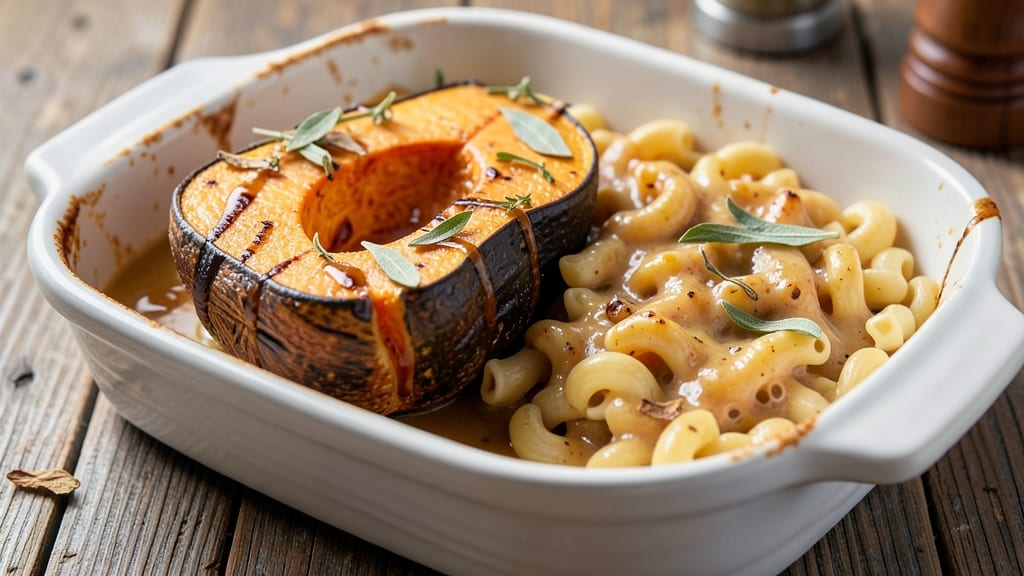
This acorn squash mac and cheese recipe transforms a classic comfort dish into something extraordinary by blending sweet, caramelized squash with rich, triple-cheese sauce.
The key lies in roasting the squash until tender and slightly crispy at the edges, then either mixing it into the creamy pasta or serving it alongside for a perfect balance of textures and flavors.
This method delivers a dish that's hearty enough for a main course but simple enough for a weeknight dinner.
The secret to achieving that perfect cheesy sauce starts with a classic roux—equal parts butter and flour cooked until golden—before adding milk and a blend of sharp cheddar, Gruyère, and cream cheese for depth and creaminess.
Meanwhile, the acorn squash is seasoned with olive oil, salt, and pepper, then roasted until its natural sweetness caramelizes beautifully. This combination creates a dish that's both comforting and refined, with every bite offering a harmonious mix of sweet and savory.
What makes this recipe truly special is its versatility. You can either blend the roasted squash directly into the mac and cheese for a cohesive, velvety texture or serve it alongside for a visual and textural contrast.
The result is a dish that feels indulgent yet balanced, perfect for autumn gatherings or a cozy night in. The creamy pasta clings to the fork, while the squash adds a subtle sweetness that elevates the entire meal.
Ready in about 45 minutes, this recipe is designed to be foolproof, with step-by-step instructions that ensure success every time. Whether you're serving it as a side dish or a main course, the combination of rich cheese and sweet squash will leave everyone at the table asking for seconds.
Let's get started!
Ingredients for acorn squash mac and cheese
Sweet roasted squash meets creamy triple-cheese perfection—just 14 ingredients for autumn comfort food magic.
| Ingredient | Amount | Notes |
|---|---|---|
| Acorn Squash 🎃 | 1 whole | Medium-sized, halved and seeded |
| Elbow Macaroni 🍝 | 12 oz | Dry weight, cooked al dente |
| Unsalted Butter 🧈 | ½ cup | Cold, cubed for roux |
| All-Purpose Flour 🌾 | ½ cup | For golden roux |
| Whole Milk 🥛 | 2 cups | Full-fat for creaminess |
| Sharp Cheddar Cheese 🧀 | 1 ½ cups | Shredded, aged 6+ months |
| Gruyère Cheese 🧀 | ½ cup | Shredded, nutty flavor |
| Cream Cheese 🧈 | 4 oz | Full-fat for richness |
| Extra-Virgin Olive Oil 🫒 | 2 tbsp | For roasting squash |
| Salt 🧂 | 1 ½ tsp | Kosher or sea salt |
| Ground Black Pepper 🌶️ | ½ tsp | Freshly ground preferred |
| Garlic Cloves 🧄 | 2 cloves | Minced for seasoning |
| Fresh Thyme Leaves 🌿 | 1 tbsp | Chopped, optional garnish |
| Nutritional Yeast 🍄 | 2 tbsp | For cheesy flavor boost |
The acorn squash is the star here, so grab a medium-sized one—the smaller ones are sweeter and easier to handle. Whole Foods or local farmers markets usually have the best selection, but any grocery store will work. Look for squash that's firm with no soft spots—it should feel heavy for its size. Halve it lengthwise, scoop out the seeds, and roast it cut-side down until caramelized. The Gruyère is non-negotiable for that nutty depth, but if you can't find it, Parmigiano-Reggiano works in a pinch. For the pasta, elbow macaroni holds up best to the creamy sauce—Barilla is my go-to brand, but any good-quality dry pasta will do.
No Gruyère? Parmesan or sharp white cheddar can stand in, though the flavor will be less complex. The cream cheese is key for that velvety texture, but full-fat sour cream at half the amount works if you're out. Fresh thyme is ideal, but dried thyme at one-third the amount is fine. The nutritional yeast might be new to you—it's a must-have for vegans or anyone who loves that cheesy umami kick. If you're serving this as a side, consider adding crispy prosciutto or toasted breadcrumbs on top for texture contrast. And trust me, the olive oil matters here—use something fruity and peppery, not that bland supermarket stuff.
Roasted squash keeps for 5 days in the fridge, so make extra if you're feeding a crowd. The mac and cheese reheats beautifully—just add a splash of milk to loosen it up. For leftovers, store in an airtight container with a layer of parchment paper between layers to prevent sogginess. This dish freezes well too, though the squash gets slightly softer after thawing. I always double the recipe and freeze half—perfect for lazy weeknights when you need comfort food in a flash. Garnish with fresh thyme or extra cheese right before serving, because that's when it looks most impressive.
Why You'll Love This Recipe
- One-Pan Wonder: I swear by this trick—roast the squash and boil the pasta simultaneously. While the acorn squash caramelizes (about 30 minutes), the water’s already simmering for the noodles. No juggling pans, no stress.
- Sweet-Savory Magic: That roasted acorn squash? It’s the secret weapon—natural sweetness cutting through the rich, cheesy sauce. The butter-flour roux makes it velvety, but the squash keeps it from feeling heavy. Honestly, it’s the kind of balance that makes you go back for thirds.
- Meal Prep MVP: Between us, this is my go-to for busy weeks. The squash holds up in the fridge for days, and the mac and cheese reheats like a dream—just add a splash of milk to loosen it up. Pack it for lunches or serve it cold as a pasta salad. (Yes, even on a Tuesday night.)
- Budget-Friendly Luxury: Acorn squash is cheaper than butternut, and elbow mac is a pantry staple. You’re getting restaurant-quality comfort without the markup. I’ll be real: this version costs half what takeout does, and it’s way better. Plus, the leftovers taste just as good the next day.
Step-by-step instructions for acorn squash mac and cheese
Transform sweet roasted squash into the star of this ultra-comforting mac and cheese.
Roast the Acorn Squash Until Caramelized
Preheat your oven to 400°F and line a baking sheet with parchment paper. Cut the acorn squash in half lengthwise and scoop out the seeds with a spoon. Brush the cut sides generously with the 2 tablespoons extra-virgin olive oil, then sprinkle with ½ teaspoon salt and ¼ teaspoon black pepper. Place the halves cut-side down on the baking sheet.
Roast for 30-35 minutes until the squash is tender when pierced with a fork and the edges are deep golden brown. Here's the thing—don't be tempted to flip it. The squash releases natural sugars as it roasts, creating that perfect caramelized crust we want. Let it cool for 10 minutes before scooping out the flesh with a spoon.
Cook the Elbow Macaroni Al Dente
Bring a large pot of water to a rolling boil and add 1½ teaspoons salt. Add the 12 oz elbow macaroni and cook according to package instructions until 1 minute before al dente. The pasta should be tender but still have a slight bite. Drain immediately and set aside—we'll be tossing it with the sauce in just a moment.
Here's my secret: I always taste the pasta water before draining. It should be seasoned like the sea. If it's bland, add more salt. This ensures your finished mac and cheese has perfect seasoning throughout.
Make the Triple-Cheese Roux Sauce
In a large, heavy-bottomed pot, melt the ½ cup unsalted butter over medium heat until it foams. Whisk in the ½ cup all-purpose flour and cook for 2-3 minutes, stirring constantly, until the mixture turns a rich golden brown color. This is your roux—the flavor foundation of the sauce.
Gradually whisk in the 2 cups whole milk, about ½ cup at a time, allowing each addition to incorporate completely before adding more. Once all the milk is incorporated, stir in the 1.5 cups sharp cheddar cheese, ½ cup gruyère cheese, and 4 oz cream cheese until completely melted and smooth. The sauce should be thick enough to coat the back of a spoon.
Combine and Create the Perfect Texture
Add the cooked elbow macaroni to the cheese sauce and stir gently to combine. The pasta will absorb some of the sauce, so if it looks too thick, add 2-3 tablespoons of the reserved pasta water to reach your desired consistency. Stir in the 2 tablespoons nutritional yeast and minced garlic cloves.
Now for the magic moment: fold in the roasted acorn squash flesh using a spatula. You'll want to distribute it evenly throughout the mac and cheese. The squash adds natural sweetness that balances the rich, cheesy sauce perfectly. Taste and adjust seasoning with additional salt or black pepper if needed.
Finish with Fresh Thyme and Serve Warm
Transfer the mac and cheese to a serving dish and let it sit for 5 minutes to thicken slightly. This resting period allows all the flavors to meld together beautifully. Before serving, sprinkle with the 1 tablespoon chopped fresh thyme leaves for a bright, herbal finish.
Here's where it gets exciting—watch as the thyme releases its aroma and the cheese forms a golden crust on top. Serve immediately while warm, with extra cheese on the side if you're feeling extra indulgent. Each bite delivers that perfect balance of creamy, cheesy goodness with a touch of sweet, caramelized squash.
Pro Tips For Making Acorn Squash Mac And Cheese
- CUT SQUASH IN HALVES—NOT SLICES: Acorn squash is stubborn. Slice it wrong, and you’ll spend 20 minutes wrestling with uneven pieces. Cut it once lengthwise through the stem end—like a book spine—then again perpendicular. That’s two clean halves that roast evenly. (Yes, even if they look lopsided. Trust me.)
- ROAST SQUASH FACE-DOWN: I used to roast squash cut-side up, and it’d steam instead of caramelize. Flip those halves cut-side down on the sheet pan, then roast at 400°F (200°C) for 35-40 minutes. The flesh softens faster, and the skin crisps just enough to hold its shape. (Pro move: Poke holes with a fork first—no one wants a squash explosion.)
- TOAST THE PASTA—BUT NOT TOO MUCH: Skip the al dente debate here. Cook elbows just until they’re tender but still have a tiny bite—about 1 minute less than package instructions. Drain, toss with a splash of pasta water, then finish in the cheese sauce. Overcooked pasta turns mushy in the sauce, and we’re not making a glue here.
- USE COLD BUTTER FOR THE ROUX: Warm the butter in the pot first, then immediately whisk in the flour. If you melt the butter completely, the roux will cook unevenly and taste raw. Cold butter coats the flour better, making a smoother sauce. (I learned this after burning a batch of roux that smelled like gym socks. Not a look I want to repeat.)
Common mistakes when making this dish
Overcooking the Squash
Roasting acorn squash until it's mushy instead of caramelized is a common mistake that kills the dish's natural sweetness. The perfect texture should be tender but still hold its shape with slightly crispy edges.
I've learned to set a timer for 30 minutes at 400°F and check it at 28 minutes—if it's not tender yet, give it 2-3 more minutes max. Overcooked squash turns into a sad, watery mess that blends into the cheese sauce instead of adding that beautiful sweet contrast. 🎃
Skipping the Roux
Many home cooks try to shortcut the roux by just melting cheese directly into milk, but this leads to a grainy, unappetizing texture. The roux creates that silky, velvety base that makes mac and cheese so comforting.
I always use equal parts butter and flour (½ cup each) and cook it until it's a rich golden brown—this takes 2-3 minutes of constant stirring. If you rush this step, your sauce will separate or taste raw.
Trust me, taking the extra 5 minutes for this step makes all the difference. 🧈
Underseasoning the Cheese
The triple-cheese blend is already rich, but many people forget to taste and adjust the seasoning before serving. I always add an extra pinch of salt and black pepper right before plating—this is especially important when you've mixed in sweet squash, which can mute flavors.
Don't be afraid to go bold with the seasoning; remember, you can always adjust but you can't un-salt! The Gruyère and sharp cheddar need that extra boost to shine. 🧂
Using the Wrong Cheese Ratio
Some recipes call for equal parts cheddar and cream cheese, but that can make the sauce too heavy. The 1.5 cups sharp cheddar to ½ cup Gruyère to 4 oz cream cheese ratio is key—Gruyère adds nutty depth while cheddar provides sharpness, and cream cheese binds everything together.
I've made the mistake of using too much cream cheese, which makes the sauce cloying rather than creamy. Stick to the ratio and let each cheese play its part. 🧀
Not Resting the Pasta
Draining pasta and immediately mixing it with hot cheese sauce can turn your creamy masterpiece into a mushy disaster. The starches need time to absorb into the sauce.
I always let the pasta sit for 1-2 minutes after draining before adding it to the sauce, and then I give the whole dish 5 minutes to rest before serving. This resting time also lets the flavors meld together beautifully.
Skipping this step is what makes store-bought mac and cheese taste so sad. ⏳
Overmixing the Squash
When you fold in the roasted squash, it's tempting to mash it into the pasta, but this destroys its texture. The squash should be in chunks about ½ inch wide to provide that perfect contrast of creamy and sweet.
I use a spoon to gently fold it in, preserving those tender pieces. If you blend it too much, you lose the beautiful visual and textural contrast that makes this dish special. Think of it like adding fruit to a smoothie—you want visible pieces for that satisfying bite. 🍴
Nutrition facts
Frequently asked questions
Can I make this dish vegetarian or vegan?
This recipe is naturally vegetarian, but for a vegan version, swap the butter for vegan butter, use unsweetened almond milk instead of whole milk, and replace the cheeses with vegan alternatives like cashew cheese or nutritional yeast-based blends. The roasted squash remains the same—just omit the cream cheese entirely.
How do I store leftovers?
Store leftovers in an airtight container for up to 4 days in the fridge. To reheat, cover with a damp paper towel and warm in the microwave for 1-2 minutes, stirring halfway. For best texture, add a splash of milk or pasta water when reheating. The squash may soften slightly but still tastes delicious.
What if I don't have Gruyère?
No problem! Use Parmesan cheese or sharp white cheddar instead—they'll still give you that rich, nutty depth. If you're using cheddar, add an extra ¼ teaspoon of mustard powder to mimic Gruyère's tang. The flavor won't be identical, but it'll work beautifully in the sauce.
Can I make this gluten-free?
Swap the elbow macaroni for gluten-free pasta like brown rice or chickpea pasta. For the roux, use gluten-free flour (like rice flour) instead of all-purpose flour. The texture will be slightly different but still delicious. Just be sure to cook the pasta according to package instructions.
How do I know when the squash is perfectly roasted?
The squash is done when it's tender enough to pierce with a fork but still holds its shape with slightly crispy edges. It should take about 30-35 minutes at 400°F. If you're unsure, check at 28 minutes—it should yield slightly to pressure but not be mushy. The edges should be deep golden brown.