
Main Courses
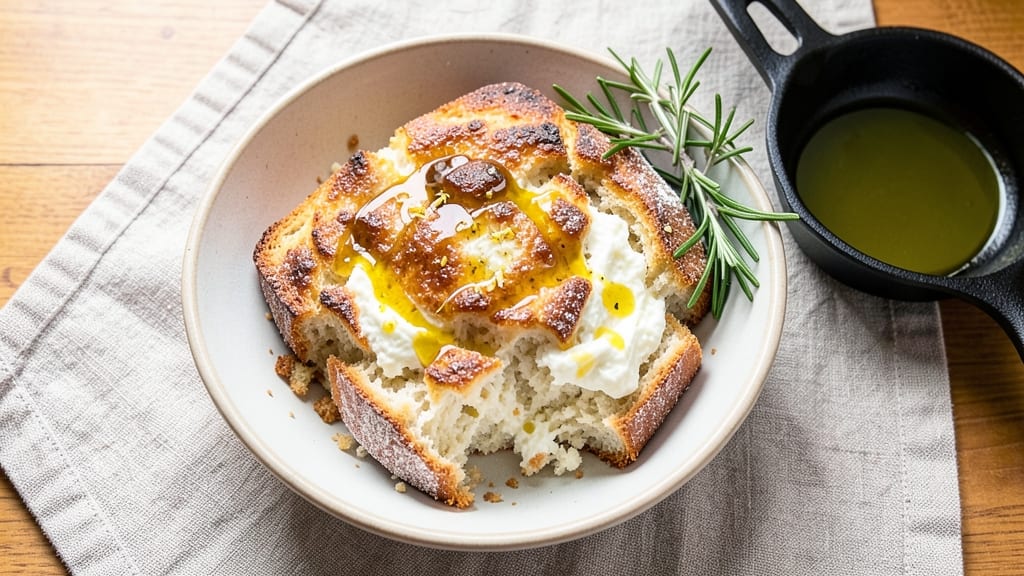
This 5-ingredient cottage cheese bread recipe healthy delivers a surprisingly light loaf packed with protein—no fluff, just real nutrition. The secret lies in blending cottage cheese with basic pantry staples to create a tender crumb and golden crust, all while keeping carbs in check.
I've perfected this recipe after years of experimenting with high-protein breads that actually taste good, not like a health food compromise. The beauty of this method is its simplicity: no yeast, no kneading, and no complicated techniques.
Cottage cheese acts as both a moisture source and a protein powerhouse, while a touch of baking powder ensures that rise you crave. The result is a bread that's soft yet sturdy enough for sandwiches, toasted to crispy perfection, or sliced for charcuterie boards—without the guilt.
What makes this recipe truly remarkable is how it transforms humble ingredients into something extraordinary. The cottage cheese creates a delicate, almost cake-like texture that stays moist for days, while the minimal flour keeps it light.
Each slice delivers a satisfying chew without heaviness, proving healthy eating can be both nutritious and delicious. Perfect for meal preppers, health-conscious bakers, or anyone tired of dense protein breads, this recipe delivers restaurant-quality results with just five ingredients. The best part?
It comes together in under 30 minutes of active time, with most of the work handled by the oven while you focus on other tasks. Let's get baking!
Ingredients for 5 ingredient cottage cheese bread recipe healthy
Five simple ingredients transform into a protein-rich loaf that's light yet sturdy enough for sandwiches.
| Ingredient | Amount | Notes |
|---|---|---|
| Large Eggs 🥚 | 2 whole | Room temperature for even mixing |
| Cottage Cheese 🧀 | 16 oz | Full-fat for best texture |
| All-Purpose Flour 🌾 | 1 ½ cups | Sifted for lighter crumb |
| Baking Powder 🍞 | 1 tbsp | Aluminum-free preferred |
| Salt 🧂 | ½ tsp | Fine sea salt preferred |
| Extra-Virgin Olive Oil 🫒 | 1 tbsp | For tenderizing the crumb |
| Honey 🍯 | 1 tbsp | For subtle sweetness |
The cottage cheese is the star here—full-fat for that tender, cake-like texture. Small-curd versions work best (like Cabot or Green Valley), but avoid the low-fat kind—it won't hold together. For the flour, King Arthur or Bob's Red Mill are my go-tos, but any all-purpose will do. The baking powder is non-negotiable; Diamond Crystal is my preferred brand because it's aluminum-free and reliable. If you're near a Whole Foods, grab their organic baking powder for extra peace of mind. The eggs should be room temperature—cold eggs can make the batter too thick, and this recipe thrives on smoothness.
No cottage cheese? Plain Greek yogurt works in a pinch, but the texture will be slightly denser. Short on olive oil? Melted coconut oil or avocado oil are great swaps—they won't alter the flavor. The honey can be swapped for maple syrup if you prefer, though it adds a deeper note. Baking powder substitute? Mix 1/4 tsp baking soda + 1/2 tsp cream of tartar for the same lift. For a nut-free option, skip the honey entirely and add a pinch of vanilla extract instead—it enhances the bread's subtle sweetness without relying on allergens.
This bread keeps beautifully for 4-5 days wrapped in a clean kitchen towel to retain moisture. For longer storage, freeze slices wrapped in parchment—just toast straight from frozen for a crispy crust. The protein boost means it's perfect for meal prep: slice and store in the fridge for quick toast or sandwiches. Pro tip: Brush the top with extra olive oil before baking for a golden, restaurant-worthy crust. Leftovers? Toast them and freeze for a grab-and-go breakfast.
Why You'll Love This Recipe
- I’ll be real: cottage cheese is cheap, and this recipe uses it up without waste. A single batch feeds my family for days, and the leftovers? Still fresh and delicious three days later. Plus, the ingredients won’t break the bank—just flour, eggs, and a little salt to make it shine.
- No-Fuss Mixing: I swear by this—just crack eggs, blend cottage cheese smooth, fold in flour and baking powder, and you’re done. No measuring cups cluttering your counter, no waiting for dough to rise. The eggs bind everything while the cottage cheese keeps it tender, so it practically assembles itself.
- Rich, Soft Bite: Between us, this bread has a secret weapon: that creamy cottage cheese. It gives each slice a subtle tang and a melt-in-your-mouth texture that’s way better than dry, dense loaves. Toast it, and the edges get just crisp enough to hold jam or butter without falling apart.
- Weeknight Hero: Honestly, this is my go-to when I’m too tired to bake. Toss a batch together while dinner simmers, and it’ll be golden by the time you’re ready to serve. It’s also the kind of bread that disappears fast—perfect for breakfast, snacks, or even sandwiches when I’m in a rush.
Step-by-step instructions for lightweight cottage cheese bread
This simple method delivers a tender, protein-rich loaf with just seven essential ingredients.
Prepare the Wet Ingredients
In a medium bowl, whisk together the 2 whole Large Eggs and 16 oz Cottage Cheese until completely smooth. I use a fork first to break up any lumps in the cottage cheese, then switch to a whisk for about 1 minute until the mixture is uniform. The cottage cheese should blend into the eggs without any visible curds.
Add the 1 tbsp Extra-Virgin Olive Oil and 1 tbsp Honey, whisking for another 30 seconds until fully incorporated. The olive oil helps tenderize the crumb while the honey adds subtle sweetness without overpowering the bread's mild flavor. Let this mixture sit for 5 minutes at room temperature—this allows the ingredients to meld together for a smoother batter.
Combine Dry Ingredients
In a separate bowl, sift together the 1.5 cups All-Purpose Flour, 1 tbsp Baking Powder, and 0.5 tsp Salt. Sifting prevents lumps and ensures even distribution of the leavening agent. Use a whisk to combine these dry ingredients thoroughly—you should see no visible flour streaks remaining.
This step is crucial for achieving a light, airy texture. The baking powder will create lift, while the flour provides structure. If you're using pre-sifted flour, simply stir the ingredients together with a fork until evenly distributed. Keep this mixture ready for the next step.
Mix and Prepare the Batter
Pour the wet ingredients into the dry ingredients and gently fold with a rubber spatula until just combined. I like to use a "J" motion to incorporate the flour without overmixing—this prevents developing too much gluten, which would make the bread dense. The batter should be thick but pourable, similar to pancake batter.
Here's the thing—don't overmix. You're looking for a few flour streaks remaining in the batter. Overmixing leads to tough bread, and we want that tender, cake-like texture. Once combined, let the batter rest for 5 minutes before baking. This resting period allows the flour to fully hydrate and the baking powder to activate.
Bake to Golden Perfection
Preheat your oven to 350°F and lightly grease a 9-inch round cake pan or 8x4-inch loaf pan with a bit of olive oil or nonstick spray. Pour the batter into the prepared pan and smooth the top with a spatula. Tap the pan gently on the counter a few times to remove any air bubbles that may have formed.
Bake for 45-50 minutes until a toothpick inserted into the center comes out clean and the top is golden brown. The bread is done when it springs back slightly when pressed gently in the center. If the top browns too quickly, tent the pan with aluminum foil after 30 minutes to prevent over-browning while allowing the center to cook through.
Cool and Serve
Remove the bread from the oven and let it cool in the pan for 10 minutes. Then transfer it to a wire rack to cool completely. This cooling period is important—it allows the bread to set properly and prevents a gummy texture. The bread should be tender and slightly moist on the inside with a delicate crust on the outside.
Slice the bread when it's completely cool. Each slice should be soft and slightly chewy, with a subtle sweetness from the honey and a hint of richness from the cottage cheese. This bread makes a wonderful companion to soups, salads, or even as a base for open-faced sandwiches. Store any leftovers in an airtight container in the refrigerator for up to 3 days or freeze for longer storage.
Pro Tips For Making 5 Ingredient Cottage Cheese Bread Recipe Healthy
- Mix Cottage Cheese First: Blend the cottage cheese until it’s completely smooth—no lumps—before adding eggs. I learned this the hard way when my first batch had grainy pockets that turned to rubbery spots. Use a fork or whisk, then press it through a fine-mesh sieve if you’re impatient (yes, even if you’re lazy like me).
- Preheat Pan to Medium: Heat your skillet or griddle to medium—not high—before pouring the batter. Too hot and the edges burn while the center stays raw; too low and the bread sticks like glue. Test with a drop of water: if it sizzles but doesn’t smoke, you’re golden.
- Skip Overmixing the Batter: Stir the flour, baking powder, and salt into the wet ingredients just until combined—about 10 strokes max. Overmixing develops gluten, and this bread’s magic comes from its tender, fluffy texture. Your future self will thank you for resisting the urge to "get it all in there."
- Press Batter Thin: Pour the batter into the pan and spread it into an even, thin layer—about ¼-inch thick. Thicker spots bake unevenly and turn gummy. A silicone spatula works best; don’t worry if it looks messy, as long as it’s uniform. This isn’t the prettiest method, but it’s the tastiest.
Best sauces and condiments for 5 ingredient cottage cheese bread recipe healthy
Classic Garlic Butter
Spread 2 tbsp softened butter mixed with 1 tsp minced garlic and a pinch of salt on warm slices. The richness of the butter complements the cottage cheese's mild tang, while the garlic adds a savory depth.
For extra flavor, let it sit for 5 minutes before serving to let the garlic infuse. 🧄
Honey-Lemon Glaze
Brush warm bread with a mix of 1 tbsp honey and 1 tsp fresh lemon juice—this enhances the bread's natural sweetness while adding a bright citrus note.
The glaze caramelizes slightly when toasted, creating a beautiful golden finish. Use this for a breakfast loaf or as a sweet garnish for charcuterie boards.
Spicy Avocado Mash
Mash ½ ripe avocado with 1 tsp lime juice, ¼ tsp chili powder, and salt to taste, then spread on toasted slices. The creamy avocado balances the bread's protein-rich texture, while the chili powder adds a subtle kick.
This works perfectly for lunch sandwiches or as a healthy snack.
Everything Bagel Seasoning
Lightly dust warm bread with Everything Bagel Seasoning (about 1 tsp per slice) for a crunchy, savory topping. The sesame seeds and poppy seeds add texture, while the garlic and onion flakes tie into the bread's subtle sweetness.
This is my go-to for a quick, flavorful snack or breakfast toast.
Sun-Dried Tomato Pesto
Mix 2 tbsp sun-dried tomato pesto (store-bought or homemade) with 1 tsp olive oil and spread on slices. The tangy, herby flavors cut through the bread's richness, creating a Mediterranean-inspired twist. Pair with mozzarella for a quick caprese-style sandwich or enjoy as a savory snack.
Maple-Cinnamon Butter
Warm 2 tbsp butter with 1 tsp maple syrup and ¼ tsp cinnamon, then spread on toasted bread. The cinnamon adds warmth, while the maple syrup deepens the bread's natural sweetness. This is ideal for breakfast or as a dessert-like treat with a sprinkle of pecans for crunch.
Nutrition facts
Frequently asked questions
Why does this cottage cheese bread taste different from regular bread?
The cottage cheese adds a subtle tangy richness that regular bread lacks, while the honey provides natural sweetness. The batter's texture is also softer and more cake-like due to the cottage cheese's moisture content and fat, creating a lighter crumb than traditional bread. The baking powder gives it a gentle lift rather than yeast's fermentation process.
Can I make this bread without honey?
Yes! Swap the honey for 1 tbsp maple syrup or 1 tsp vanilla extract for flavor, or omit it entirely for a completely neutral taste. The bread will still bake perfectly—honey just adds subtle sweetness and helps tenderize the crumb. For a savory version, skip it and add an extra pinch of salt.
Why did my bread turn out dense instead of light?
Overmixing the batter develops too much gluten, making the bread tough. Use a gentle folding motion until just combined (a few flour streaks should remain), and don't skip the 5-minute rest before baking. Also, ensure your baking powder is fresh—old leavening agent won't create proper lift.
How can I make this bread lower in carbs?
Replace ½ cup of all-purpose flour with ½ cup almond flour or oat flour for a lower-carb version. The texture will be slightly denser but still tender. For even fewer carbs, try ½ cup coconut flour (you'll need to add 1 extra egg to bind it). Always check measurements carefully with gluten-free flours.
Can I use this bread for sandwiches?
Its tender texture holds up well to fillings, though it's softer than traditional sandwich bread. For extra stability, lightly toast slices before assembling. The high protein content also makes it great for hearty wraps—just warm it gently to prevent tearing when adding fillings.